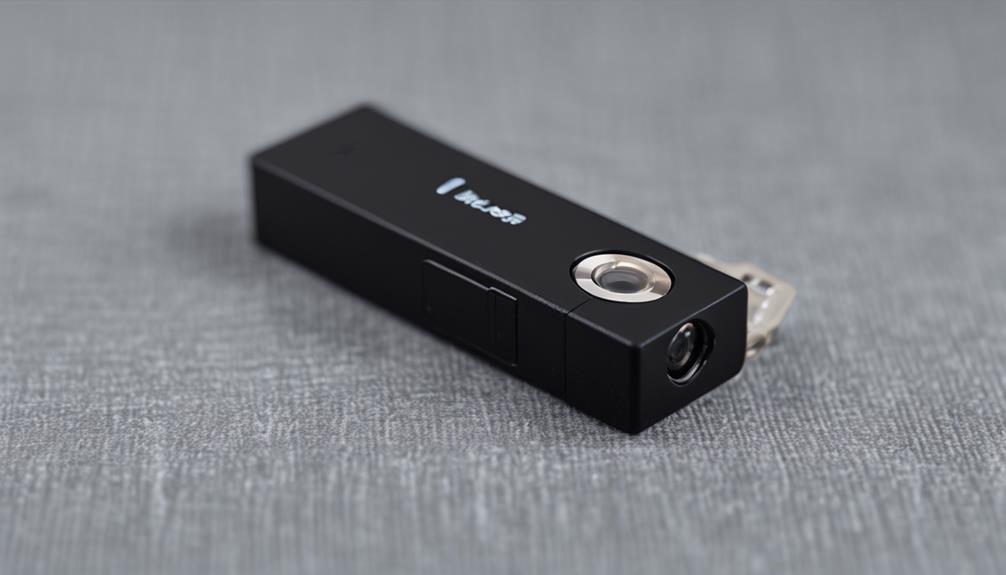

A warehouse CCTV system can do much more than record incidents. When planned around the layout and daily workflow of a facility, it can help protect inventory, support employee safety, improve accountability, and provide useful evidence after theft, damage, or an accident. The most effective approach combines visible cameras, secure recording, sensible monitoring procedures, and clearly defined privacy controls. Warehouse CCTV planning should include covert surveillance methods to complement visible systems for improved loss prevention.
Why warehouses need purpose-built CCTV
Warehouses present several surveillance challenges at once. They may include large floor areas, tall racking, multiple entrances, loading bays, offices, restricted rooms, and activity throughout the day and night. A camera system designed without considering these conditions can leave blind spots or produce footage that is difficult to use.
Well-positioned warehouse security cameras can help with:
- Deterring theft, vandalism, and unauthorized access
- Reviewing disputes involving deliveries, inventory, or workplace incidents
- Monitoring loading, receiving, and dispatch procedures
- Supporting safety investigations and staff training
- Identifying congestion or recurring problems in operational areas
Start with a site and risk assessment
Before selecting equipment, map the facility and identify what each camera needs to show. Pay particular attention to entrances, exits, loading docks, receiving and dispatch points, high-value storage, restricted areas, vehicle routes, and locations where inventory changes hands.
Camera placement should account for lighting, viewing distance, mounting height, obstructions, and reflective surfaces. A camera that provides a wide overview may not capture enough detail to identify a person, package label, seal, or transaction. In some areas, it is better to combine a broad view with a closer camera aimed at a critical point.
Selecting cameras and recording equipment
Fixed cameras are suitable for aisles, doors, workstations, and other locations requiring consistent coverage. Pan-tilt-zoom cameras can survey larger zones and allow an operator to change the view, although they should not be relied upon as the only camera protecting a critical area because their attention may be directed elsewhere.
Special conditions may require infrared or low-light capability, weather-resistant housings, or equipment designed for cold-storage environments. High-value areas may also benefit from tamper-resistant mounting and coverage from more than one angle.
The recording platform is equally important. A network video recorder or cloud-based system should have enough capacity for the number of cameras, resolution, frame rate, and required retention period. Plan for dependable power, network connectivity, backup arrangements, and sufficient bandwidth for simultaneous video streams. Installation costs will vary according to the camera types, cabling, storage, site access, and labor involved.
Visible and concealed surveillance
Visible cameras are generally the foundation of a warehouse security strategy because they communicate that areas are monitored and provide clear operational coverage. Concealed or discreet cameras may sometimes be considered for a specific loss-prevention or investigative purpose, such as reviewing suspected diversion at a receiving point or examining handling in a sensitive storage area. Warehouse monitoring can improve coverage by exploring mobile surveillance options for tracking activity across large facilities.
Hidden camera applications require particular care. Workplace monitoring laws, privacy requirements, employee policies, and rules concerning audio recording differ by jurisdiction. Use covert equipment only when there is a lawful and documented reason, and obtain appropriate legal advice before deployment. Avoid placing cameras in areas where people reasonably expect privacy, and ensure that the system is not used more broadly than its stated purpose.
Useful integrations and analytics
A CCTV system becomes more useful when it can work alongside other warehouse controls. Access-control events can provide context when a restricted door opens, while inventory or shipment records can help investigators review the relevant time and location more quickly.
Video analytics may assist with motion detection, defined-zone alerts, people or package counting, and activity outside normal operating periods. Configure these functions carefully so that alerts remain meaningful rather than creating excessive false alarms. Automated alerts should support human review, not replace sensible operating procedures.
Protecting and managing recorded footage
Define how long footage should be retained based on business needs, incident handling, and applicable requirements. Access to recordings should be limited to authorized personnel, with strong account controls and an audit trail showing who viewed or exported material. Encryption, secure remote access, firmware updates, and network separation can help reduce the risk of unauthorized access.
When footage may be used in an investigation, preserve the original recording and document exports, access, and handling. Accurate time synchronization across cameras and related systems is essential when reconstructing events.
Maintenance and operating procedures
Even a well-designed system can fail if it is not maintained. Schedule checks for lens cleanliness, camera alignment, storage capacity, recording integrity, time settings, power, and network health. Test alerts and review footage periodically to confirm that important areas remain visible as the warehouse changes.
Staff should know what camera monitoring covers, how to respond to alerts, and who is authorized to retrieve recordings. Clear signage and written policies should explain monitoring practices where required. By combining thoughtful design, secure data management, regular maintenance, and responsible use of visible or concealed cameras, a warehouse CCTV system can support both stronger security and more dependable day-to-day operations.