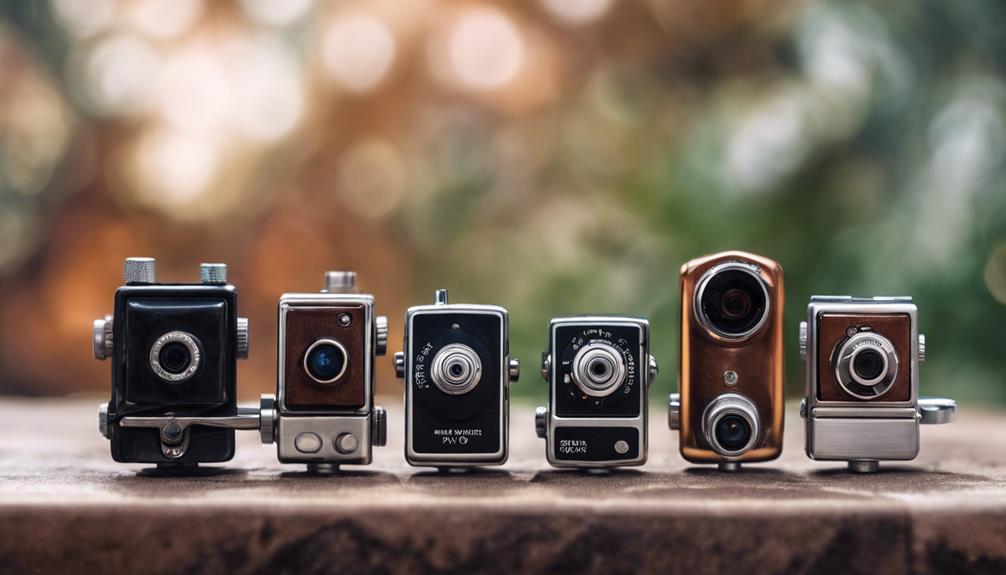

Mini cameras with magnetic mounts can be useful for temporary property monitoring, workspace security, equipment checks, and other situations where a conventional wall-mounted camera is impractical. Their main advantage is flexibility: a magnetic base can attach to a suitable metal surface and be repositioned without drilling or permanent fixtures.
Because these cameras are small and easy to move, use them responsibly. Recording people in private spaces or without the knowledge required by local law may violate privacy or surveillance regulations. For shared homes, workplaces, vehicles, and rented properties, provide appropriate notice and obtain consent where necessary.
Ten mini magnetic camera options to consider
1. Compact magnetic security camera
A basic compact model is suited to straightforward monitoring around a home, office, storage area, or workshop. Look for a stable magnetic base, an adjustable viewing angle, and controls that are easy to reach when the camera needs to be repositioned.
2. Wireless mini camera
Wireless operation reduces cable clutter and makes placement more flexible. Before choosing one, check how it connects, whether it requires a dedicated app, and how often the battery needs charging. Wireless does not always mean completely cable-free, since the camera may still require charging or continuous power for extended operation.
3. HD mini camera
A high-definition camera can produce more useful footage than a low-resolution model, particularly when you need to distinguish general activity or read details within the frame. Resolution is only one part of image quality, however. Lens quality, lighting, compression, and the camera’s viewing angle also affect the result.
4. Small magnetic-mount security camera
This format focuses on quick installation. It can be practical when you want to move a camera between metal shelving, filing cabinets, appliances, or vehicle interiors. Confirm that the magnet is strong enough for the camera’s weight and that the mounting surface is stable rather than vibrating or frequently moved.
5. Adjustable-angle mini camera
An adjustable mount helps aim the lens without moving the entire camera. This is valuable when the available metal surface is not directly facing the area being monitored. A firm hinge or ball joint is preferable to a mount that gradually droops after installation.
6. Portable magnetic CCTV camera
A portable model is designed for temporary monitoring rather than permanent installation. It may suit property inspections, short-term equipment observation, or checking a designated area while travelling. Consider its storage method, charging arrangements, and how easily recordings can be reviewed afterward.
7. Mini camera with low-light support
Low-light performance matters in garages, corridors, storerooms, and other areas that are not brightly illuminated. Some cameras use infrared assistance or another night-viewing mode, but results vary. Check whether the feature produces a usable image in the actual conditions where the camera will operate.
8. Motion-activated mini camera
Motion detection can reduce unnecessary recording and make important clips easier to find. The quality of this feature depends on sensitivity controls, detection range, and the surrounding environment. Moving curtains, pets, changing light, or passing traffic can create unwanted alerts.
9. App-connected magnetic camera
An app-connected camera may allow live viewing, settings adjustments, and access to saved clips from a phone or computer. Review the setup requirements before buying, including network compatibility, account creation, notification controls, and how recordings are stored. Use a strong unique password and keep the camera’s software updated when updates are available.
10. Magnetic camera for vehicle or equipment monitoring
A compact magnetic camera can be useful for observing a vehicle’s interior, a tool cabinet, or a piece of equipment when the installation surface is metallic. Vehicle use introduces extra concerns such as vibration, temperature changes, glare, and available power. Mount the device so it does not obstruct the driver’s view or interfere with vehicle controls.
What to check before buying
- Mounting: Make sure the intended surface is ferrous metal and that the magnet supports the camera securely. A magnetic base will not reliably attach to wood, plaster, glass, or nonmagnetic stainless steel.
- Power: Compare battery runtime with your monitoring needs. Continuous recording usually requires a dependable power source.
- Storage: Check whether footage is saved locally, to removable storage, or through an online service. Review retention limits and recurring costs where applicable.
- Image coverage: Consider resolution, viewing angle, focus, and performance in the available light rather than relying on a single headline specification.
- Privacy and security: Avoid placing cameras in bedrooms, bathrooms, changing areas, or other private spaces. Protect connected accounts and restrict access to authorised users.
Choosing the right format
For occasional checks, a portable wireless model with a dependable mount may be enough. For regular property monitoring, prioritise stable power, secure storage, motion alerts, and reliable low-light performance. If the camera will be moved often, choose a simple mounting system and an interface that makes repositioning and reviewing footage straightforward.
The best mini magnetic camera is not necessarily the smallest one. A secure mount, suitable power arrangement, clear footage, and responsible installation matter more than a compact design alone.