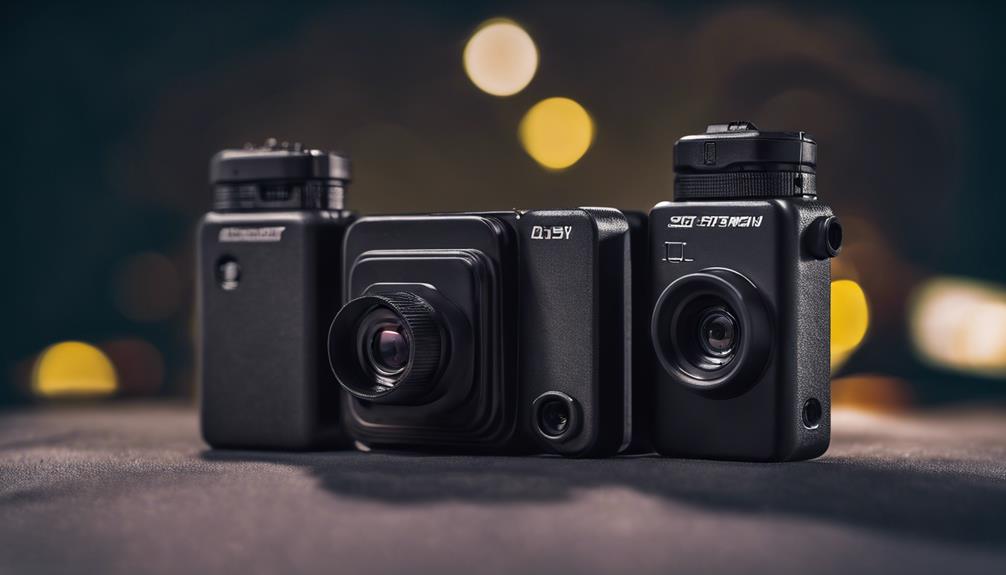

Mini cameras with night vision come in many forms, from standalone portable units to devices designed to resemble everyday objects. Their small size can make them useful for home, office, property, or personal-security monitoring, while infrared night vision helps capture footage when available light is limited.
Before choosing one, consider where the camera will be used, how much of the area must be visible, whether remote access is necessary, and how recordings will be stored. Always follow applicable laws and obtain consent where required. Cameras should not be placed in private spaces or used to record people without proper authorisation.
Key features to compare
- Night vision: Infrared capability is intended to improve visibility in low-light or dark conditions. The useful range and image quality can vary between models.
- Motion detection: A camera may begin recording when movement is detected, which can reduce unnecessary footage and help identify activity.
- Storage: Loop recording continuously replaces older files with newer ones when storage is full. This is convenient for ongoing monitoring, but important recordings should be saved promptly.
- Viewing options: Some models are designed for local recording, while others provide remote viewing or live streaming through a connected device.
- Field of view: A wide-angle lens can cover more of a room or area, potentially reducing blind spots.
- Form factor: The camera’s shape affects placement, portability, and how easily it fits into a legitimate monitoring setup.
Ten mini camera formats to consider
1. Ultra-slim night-vision mini camera
An ultra-slim camera is intended for discreet placement and easy portability. Its compact shape may suit monitoring in different locations, while features such as motion detection and loop recording can support longer observation sessions.
2. Wireless mini camera with motion detection
A wireless model can be easier to position than a camera that requires a cable connection. Motion detection may trigger recording when activity occurs, and remote monitoring can allow an authorised user to check the camera from a distance. Confirm the connection and power requirements before installation.
3. Compact camera pen
A camera pen combines a familiar pen-style form with recording hardware. Its small, lightweight design can make it convenient to carry, and night vision may help in dim environments. Use this type only in situations where recording is lawful and clearly permitted.
4. Mini hidden camera with infrared night vision
This format is designed for low-light monitoring and may use infrared illumination to capture footage in darkness. Its small size allows flexible placement, but the camera should still be installed openly and responsibly wherever privacy expectations apply.
5. Miniature camera with loop recording
Loop recording is useful when continuous coverage matters. Once available storage is filled, the camera records over older files, helping it continue operating without manual deletion. Check how files are protected if an important event needs to be retained.
6. Mini night-vision camera clock
A clock-style camera combines a time display with a monitoring function. This format may blend into a room’s ordinary furnishings, but its use requires particular care because visitors may not realise they are being recorded. Clear permission is the safer approach.
7. Portable wide-angle mini camera
A portable camera with a wide-angle lens can cover a broader view than a narrow-angle model. It may be useful for areas such as rooms, offices, or other spaces where a wider perspective is valuable. A broader view can also include more surrounding activity, so position it thoughtfully.
8. Night-vision camera glasses
Wearable camera glasses are designed to record from the wearer’s viewpoint. Their hands-free design may appeal to users with a legitimate documentation or personal-security need. Because they can record people at close range without obvious notice, consent and local recording rules are especially important.
9. Tiny camera button
A button-style camera is another wearable format intended to remain small and unobtrusive. Night vision may assist in poor lighting, but the device should never be used to record private conversations, meetings, or individuals without appropriate authorisation.
10. Mini camera with remote viewing
Remote-viewing models can provide access to a live feed or recorded footage through a phone, tablet, or computer. This can be useful for authorised monitoring when you are away from the camera, but it also makes account security, passwords, and network privacy important considerations.
Choosing the right format
For flexible placement, compare an ultra-slim or portable model. If activity-based recording is the priority, look for motion detection. Choose loop recording for extended unattended operation, and consider remote viewing when you need authorised access from another location. A wide-angle design may suit larger areas, while wearable formats require the greatest attention to consent and privacy.
The best night-vision mini camera is not necessarily the smallest one. Select a device whose recording method, coverage, storage, power supply, and viewing features match the intended lawful use, and test it in the actual lighting conditions before relying on its footage.