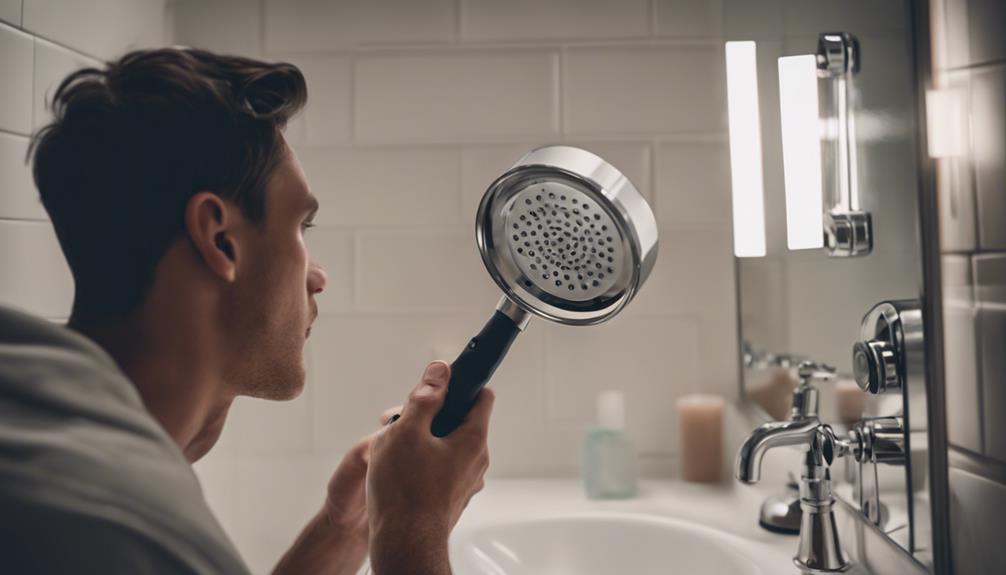

Bathrooms are private spaces, so finding an unfamiliar device or an accessory that appears to have been altered can be alarming. Hidden cameras may be concealed inside ordinary-looking objects, but a careful, methodical inspection can help you identify warning signs without immediately disturbing possible evidence.
Start with a careful visual inspection
Begin by looking around the bathroom slowly and systematically. Compare the room with how it is normally arranged, or with photographs of the space if you are staying in a rental or hotel. Pay particular attention to accessories positioned toward areas where a person may change clothes, shower, or use the toilet.
Inspect items such as:
- Mirrors and mirror frames
- Air fresheners and dispensers
- Smoke detectors and other ceiling-mounted devices
- Light fittings, vents, and electrical outlets
- Towel hooks, shelves, clocks, and decorative objects
- Showerheads or other fixtures that do not match the rest of the room
You are looking for anything that seems inconsistent with the object’s purpose or the surrounding décor. Possible warning signs include a tiny dark opening aimed into the room, a reflective lens-like surface, unexplained wires, gaps in a casing, fresh adhesive, loose screws, or marks suggesting that an item has been opened or repositioned.
Use light to check suspicious objects
A bright flashlight can make a small camera lens easier to notice. Turn off the bathroom lights if it is safe to do so, then shine the flashlight across suspicious surfaces from different angles. A lens may reflect the light differently from nearby plastic, glass, or metal.
This is only a visual aid, not proof that a device is present. Reflections can come from many ordinary objects, including screws, polished fixtures, and dust. Avoid poking holes, pulling down ceiling equipment, or opening electrical fittings during an initial check.
Look for unusual power and network connections
Many electronic devices require power or a way to transmit or store recordings. Check whether an accessory has an unexpected charging cable, battery compartment, power adapter, or connection to a nearby outlet. Also note devices that appear to be connected to a wireless network without an obvious reason.
These clues are not conclusive. A cable may belong to a legitimate appliance, and some cameras may use batteries or store data locally. The goal is to identify objects that deserve closer attention rather than to label every unusual item as surveillance equipment.
Consider an electronic detector carefully
Radio-frequency detectors and other camera-detection tools may help identify transmitting equipment. If you use one, follow the manufacturer’s instructions and scan methodically rather than waving it randomly around the room. Test the device away from obvious sources of interference, such as phones, routers, Bluetooth equipment, and other electronics, so you can better understand what its alerts mean.
A detector cannot find every hidden camera. A device that records to internal storage may not transmit a signal, while ordinary electronics can trigger false alarms. Treat an alert as a reason to investigate the nearby object, not as confirmation by itself.
What to do if you find something suspicious
If an object appears to contain a camera, avoid dismantling it unless there is an immediate safety concern. Photograph the item in place, including its position and any visible cables or markings. Write down when and where you noticed it, and preserve relevant booking, maintenance, or access information if you are in a hotel, rental, workplace, or shared property.
If you feel unsafe, leave the room and move to a private location. Contact the property manager or responsible organization, and consider reporting suspected unlawful surveillance to local law enforcement. Do not confront a person you suspect of installing the device if doing so could put you at risk.
Reduce privacy risks in shared or temporary bathrooms
- Inspect unfamiliar rooms before using them, especially when staying in temporary accommodation.
- Report damaged, replaced, or tampered-with accessories promptly.
- Keep personal smart devices outside the bathroom when possible, or disable features you do not need.
- Tell household members, guests, or staff how to report unusual objects without disturbing them.
A combination of visual inspection, careful attention to wiring and placement, and appropriate use of detection equipment offers a more reliable approach than relying on one test. If you suspect a hidden camera in a bathroom, prioritize your safety, document what you observe, and seek help rather than attempting a risky removal.