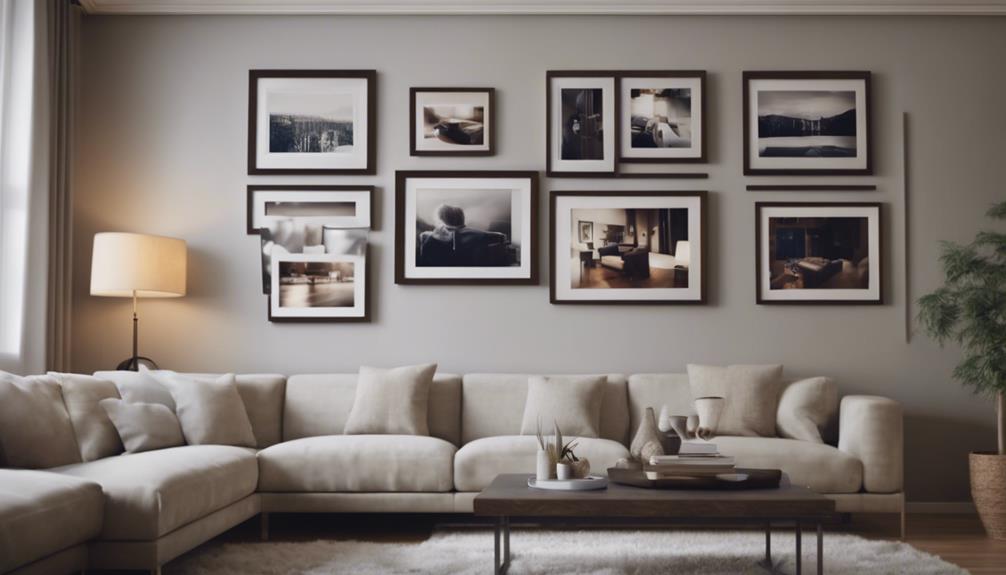

Picture-frame spy cameras have attracted attention because they combine two functions that do not usually go together: a decorative object and a surveillance device. Instead of standing out like a conventional security camera, a camera built into or disguised as a picture frame can fit naturally into a room’s furnishings. That makes it appealing to people who want to monitor a space without adding an obvious piece of security equipment.
A Low-Profile Approach to Monitoring
The main attraction of a picture-frame camera is its understated appearance. A conventional camera can make visitors immediately aware that they are being recorded, while a frame may appear to be an ordinary part of the room. This low-profile design can be useful when the goal is to observe activity without making the camera itself the focus of attention.
That discretion should not be confused with unlimited permission to record. Anyone considering this type of device should check applicable privacy and surveillance laws, particularly when other people may be captured. Recording in bedrooms, bathrooms, changing areas, or other private spaces is especially inappropriate. In workplaces, rental properties, and childcare settings, consent and local requirements may also be important.
Designed to Blend With Interior Decor
Picture-frame cameras are intended to integrate with a room rather than interrupt its appearance. A frame can be placed among other wall decorations, photographs, or artwork, allowing the device to suit a range of interiors. This is one reason the format appeals to homeowners and office users who do not want visible equipment to dominate a carefully arranged space.
The design can also make placement more flexible. Depending on the room and the camera’s viewing angle, a frame may be positioned where it has a useful view while still looking like a normal decorative item. Even so, placement should be chosen for legitimate security purposes and in a way that respects the privacy of people who enter the area.
Video Detail and Event-Based Recording
High-definition video is another feature associated with the popularity of these devices. Clearer footage can make it easier to understand what happened in a monitored area, provided the camera has a suitable view and adequate lighting. Image quality alone, however, does not guarantee useful recordings. Reflections, shadows, obstructions, distance, and the position of the frame can all affect what the camera captures.
Many picture-frame cameras also include motion detection. Rather than recording continuously, the device can begin recording when movement is detected within its field of view. This may help focus attention on periods when activity occurred and can reduce the amount of footage that needs to be reviewed. Motion detection is not perfect: passing shadows, changing light, pets, or movement outside the intended area may trigger recordings, while activity outside the camera’s range will not be captured.
Remote Access for Convenient Checking
Remote access adds another layer of convenience. Models with a connected app or network feature may allow the owner to view a live feed or review alerts from a phone or computer. This can make it easier to check a home or office while away instead of relying solely on footage stored on the device.
Remote monitoring also introduces practical and privacy considerations. A dependable internet connection may be required, and users should protect accounts with strong, unique passwords. Access should be limited to authorised people, and recordings should be stored and shared carefully. A camera that is discreet in the room should still be managed transparently and securely.
Why Interest Extends Beyond the Home
The same combination of subtle design and monitoring features helps explain interest in picture-frame cameras for offices, entrances, and childcare settings. Users may value the ability to check activity without installing visibly prominent equipment. In a workplace or care environment, however, the privacy implications are significant. People who may be recorded should be informed when required, and the camera should never be used to monitor areas where privacy is expected.
What to Consider Before Buying
- Purpose: Define the legitimate security need before choosing a discreet camera.
- Viewing area: Check that the frame will provide a useful angle without pointing into private spaces.
- Lighting: Consider how daylight, darkness, glare, and indoor lighting may affect footage.
- Motion settings: Look for controls that help reduce unwanted alerts.
- Remote features: Review how the device handles accounts, passwords, app access, and recorded video.
- Privacy obligations: Understand local rules and provide notice or obtain consent where necessary.
Picture-frame spy cameras remain appealing because they offer a discreet alternative to visibly mounted surveillance equipment. Their decorative appearance, high-definition recording, motion detection, and remote access can support practical monitoring when used responsibly. The best choice is not simply the camera that is hardest to notice, but one that meets a clear security need while respecting consent, privacy, and the people who share the monitored space.