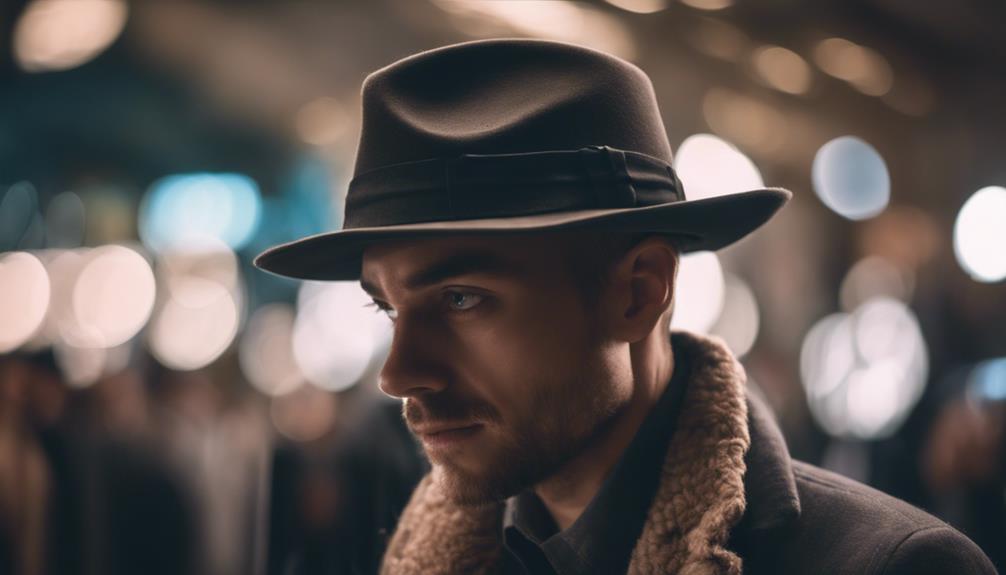

Spy camera hats combine an everyday accessory with a small recording device designed to capture video from the wearer’s point of view. They are available in a range of styles, from baseball caps and beanies to fedoras, bucket hats, visors, and wide-brim designs. The right choice depends on where the hat will be worn, how discreet it needs to look, and which recording features are genuinely useful.
Because hidden recording can affect other people’s privacy, use any camera hat only where it is lawful and appropriate. Rules concerning video, audio, consent, and recording in private spaces vary by location. Do not use a concealed camera to invade someone’s privacy, record confidential conversations without permission, or monitor people unlawfully.
Popular Spy Camera Hat Styles
Baseball caps
A black or neutral baseball cap is one of the easiest styles to wear casually. Its familiar shape can suit everyday clothing, outdoor activities, and informal settings. Some versions are described as offering low-light recording, audio capture, remote control, or access to stored footage. Before buying, check whether those features are actually included and whether the controls are easy to operate without removing the hat.
Fedoras and newsboy hats
Fedoras and retro newsboy hats appeal to shoppers who want a less sporty appearance. Their classic silhouettes can work with formal or vintage-inspired outfits while housing a camera near the front of the hat. These styles may be useful when a baseball cap would look out of place, but comfort and camera alignment are especially important. A lens positioned too low, too high, or at an angle may produce unusable footage.
Beanies
A beanie offers a simple option for cooler weather. The soft, understated design can be comfortable for extended wear, and some models are promoted with wireless connectivity or low-light recording. Look closely at battery placement, heat, charging requirements, and whether the hat remains comfortable when the recording hardware is installed.
Camouflage and tactical-style hats
Camouflage caps and rugged military-inspired hats are aimed at outdoor users. Breathable fabric, a secure fit, and resistance to changing weather may matter more than appearance in this category. These hats can suit hiking, wildlife observation, or outdoor documentation, but camouflage should never be treated as permission to record people without their knowledge or consent.
Visors and wide-brim hats
Sporty visors are suited to active use and sunny conditions, while elegant wide-brim hats provide additional shade. Both styles can place the lens near the front edge, helping the camera capture a forward-facing view. Consider how movement affects the framing, particularly during walking, cycling, or other activities. A brim that shifts frequently can make otherwise clear footage difficult to use.
Snapbacks and bucket hats
Snapbacks offer an adjustable fit and a modern look. Some designs include smartphone controls or wireless features, although the exact setup varies by model. Bucket hats can provide a more relaxed appearance and may include an adjustable camera angle. These features sound useful, but they should be assessed alongside battery life, storage capacity, video quality, and the reliability of the connection.
Features Worth Comparing
- Camera position: Confirm that the lens points in the intended direction and is not easily blocked by the brim or fabric.
- Video quality: Check the actual resolution, frame rate, and file format rather than relying only on phrases such as “high resolution.”
- Low-light performance: Night-vision claims can differ significantly, so look for clear specifications and realistic operating limits.
- Audio recording: Audio may be subject to stricter consent laws than video. Disable it when it is not necessary and verify local requirements.
- Battery and storage: Consider recording duration, charging time, removable storage, and whether the camera stops when the battery is low.
- Wireless access: Live viewing or remote control can be convenient, but it may require a compatible phone, an app, or a stable connection.
- Fit and comfort: A hat that slips, overheats, or feels heavy is unlikely to produce steady, useful footage.
- Indicators and controls: Understand how recording starts and stops, and whether status lights can be managed in a lawful, transparent way.
Choosing the Right Hat
Start with the environment and the legitimate purpose of the recording. For casual outdoor documentation, a breathable cap or visor may be more practical than a formal hat. For cold weather, a beanie may provide better comfort. If appearance matters, a fedora or newsboy style may fit more naturally with the rest of an outfit.
Read the product specifications carefully, test the framing before an important activity, and keep the camera clean and securely attached. Most importantly, treat a spy camera hat as a recording tool—not a way to bypass consent or privacy expectations. Used responsibly, the right design can make hands-free documentation more convenient while keeping comfort, image quality, and legal boundaries in view.