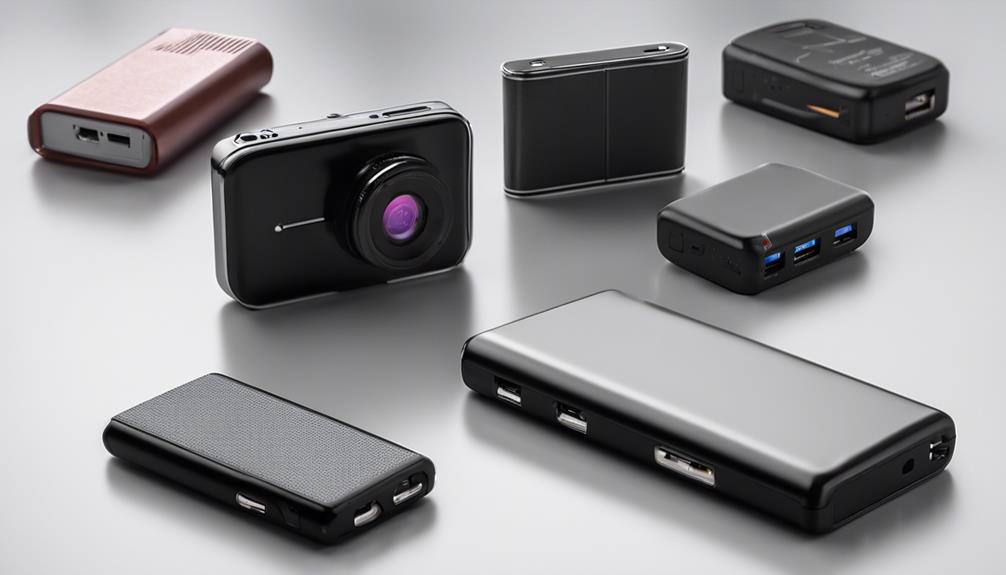

A power bank with a built-in camera combines portable charging with video recording in a single device. Its compact appearance can make it less conspicuous than a conventional camera, but that also creates important privacy and legal concerns. Use any recording function only where it is lawful and appropriate, and obtain consent when people may be recorded.
What to Look for in a Power Bank with a Camera
The best choice depends on whether you need occasional recording, motion-triggered clips, or longer periods of monitoring in a permitted setting. Before comparing prices or brands, check the specifications that affect everyday use.
- Storage: More storage allows the device to retain more footage before files must be transferred or deleted. Check whether storage is built in or requires a memory card, and confirm the supported capacity.
- Video resolution: Higher-definition recording can produce clearer detail, although file sizes may also be larger. Look for sample footage where available rather than relying on resolution alone.
- Motion detection: This feature can begin recording when movement is detected, helping reduce unnecessary footage and conserve storage. Check whether sensitivity or recording duration can be adjusted.
- Audio recording: A microphone may add useful context, but audio laws can be stricter than video laws in some places. Disable audio when it is not necessary and follow applicable rules.
- Remote access: Some devices may support viewing or managing footage through a phone or computer. Confirm how the connection works, what range it requires, and how accounts and recordings are protected.
Video Quality in Different Lighting
Good daytime footage does not automatically mean good performance in darker surroundings. If low-light recording matters, check whether the camera includes night vision and whether infrared illumination is visible. Night footage should be assessed for clarity, exposure, and motion blur rather than simply the presence of a night-vision setting.
Audio quality is another consideration. A clear recording can make video easier to understand, but background noise, distance, and the device’s placement all affect results. Because recording conversations without permission may be unlawful, treat audio capture as an optional feature rather than an automatic benefit.
Design, Portability, and Durability
A compact power bank is easier to carry and position, but a smaller design may involve compromises in battery capacity, camera placement, or controls. Examine the lens location and make sure it will not be blocked when the device is being used as a charger.
Construction quality also matters. A robust casing, secure ports, and dependable buttons can help the device withstand normal handling. However, a discreet appearance should not be used to record people secretly. For shared spaces, workplaces, homes, or other occupied areas, make the camera visible or provide clear notice as required by local law and policy.
Battery Capacity and Charging Speed
Battery capacity affects both the charging function and the camera’s operating time. A larger capacity may support longer recording sessions, but it can also increase the device’s size and weight. Consider how often the device will need to record and whether it can remain connected to power during legitimate use.
Charging speed determines how quickly the power bank can be returned to service. Check the input and output specifications, as well as whether the included cable and charger can provide the stated performance. A device that charges quickly is more practical when it is used regularly, but fast charging does not compensate for weak recording quality or unreliable software.
Connectivity and File Management
If the camera offers remote viewing or wireless transfer, review the setup process and security controls carefully. Use a strong, unique password, keep access limited, and avoid sharing footage unnecessarily. Consider how recordings are downloaded, where they are stored, and whether the device automatically overwrites older files.
Simple file management can be just as valuable as extra features. Look for clearly named files, an accessible transfer method, and controls that make it easy to delete recordings when they are no longer needed. Retain footage only for a legitimate purpose and protect it from unauthorized access.
How to Compare Value
Price alone does not identify the best power bank with a camera. Compare battery capacity, video quality, motion detection, night performance, storage, charging speed, and the reliability of the companion app or controls. Customer reviews may reveal recurring problems such as short recording times, connection failures, poor low-light footage, or inaccurate battery indicators.
Also check warranty terms, return policies, product support, and the reputation of the seller. Since the available information does not identify specific models, it is more useful to apply these criteria to the products you are considering than to rely on an unsupported top-five ranking.
Final Considerations
A power bank with a camera can be convenient when portability, charging, and recording are needed together. Prioritize dependable battery performance, suitable video quality, practical storage, and secure file access. Most importantly, use the device transparently and lawfully. Privacy obligations should guide where it is placed, what it records, and how long the footage is kept.