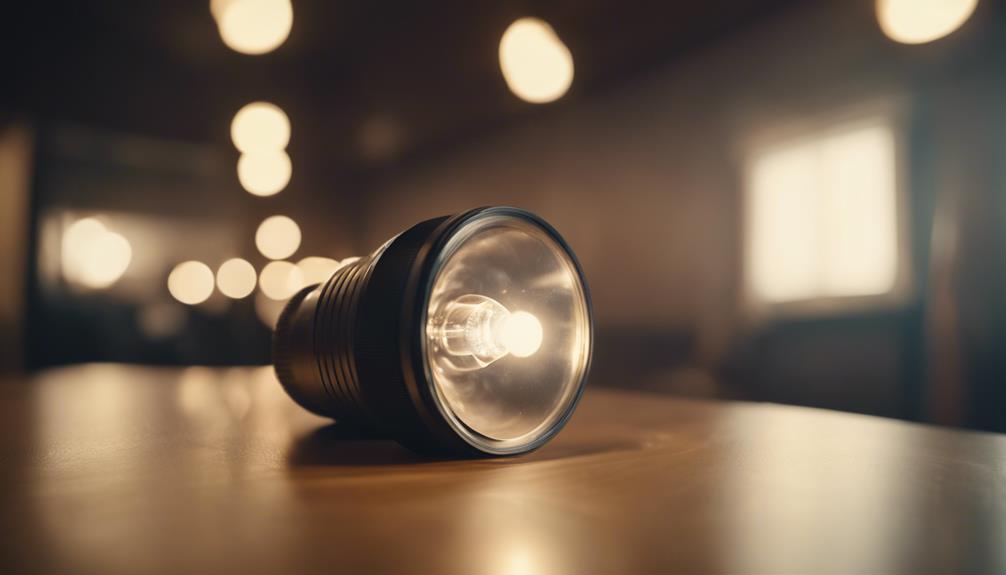

A spy camera in a light bulb is a surveillance device designed to combine a small camera with a light-bulb housing. Because the device resembles an ordinary bulb, it can be less noticeable than a conventional security camera. Many models are intended to fit into a standard light socket and may use wireless connectivity to send video to a receiver, storage system, or viewing app.
The technology can be used for legitimate security purposes, but its concealed design also creates serious privacy and legal concerns. Anyone considering one should understand how these devices operate, where they may lawfully be used, and how to protect people from recording without their knowledge or consent.
How a Camera Light Bulb Works
A camera light bulb typically contains several components within the bulb or its base:
- A small camera lens positioned to view the surrounding room
- Electronic hardware for capturing and processing video
- Wireless connectivity for transmitting footage
- A light source, often designed to function like an ordinary bulb
- In some products, motion detection, remote viewing, or recording storage
When installed, the bulb can illuminate the area while the camera records within its field of view. Wireless models may transmit footage to a connected device or storage location. Features differ considerably, so the product documentation should be checked for details such as video quality, recording options, network requirements, and whether audio recording is included.
Why People Consider Using One
The main appeal is discreet installation. A camera integrated into a light fitting may avoid the visual distraction of a separate camera mounted on a wall or ceiling. This can make it useful for monitoring an entrance, a shared space, or another area where an openly visible security camera is impractical.
Remote access can also allow an authorised user to check a property while away. In a properly disclosed security setup, this may support monitoring for unauthorised access or help review an incident. However, concealment should not be treated as a substitute for responsible security planning. A visible camera, good lighting, secure doors, and clear access controls may be more appropriate in many situations.
Privacy and Ethical Concerns
A hidden camera can record people who do not realise they are being monitored. That creates a greater privacy risk than using a clearly identified security camera. The concern becomes especially serious in bedrooms, bathrooms, changing areas, private offices, accommodation, or any location where people reasonably expect privacy.
Recording may also capture visitors, employees, family members, tenants, or passers-by. If audio is enabled, conversations could be recorded as well. Footage can expose personal routines and sensitive information, and wireless or cloud-connected devices may create additional security risks if accounts, networks, or stored recordings are not properly protected.
For ethical use, the people who may be recorded should receive clear notice wherever possible. Recording should have a specific, legitimate purpose, be limited to the necessary area, and be retained only for as long as needed. Do not use a concealed camera to secretly monitor intimate activity, private conversations, or people who have not agreed to the arrangement.
Legal Considerations
Surveillance laws vary by country, state, and local jurisdiction. Rules may address video recording, audio interception, consent, employee monitoring, rental properties, and the use of cameras in private spaces. In some places, recording a conversation without the required consent can be unlawful even when video surveillance might otherwise be permitted.
Before installing a camera light bulb, check the rules that apply to the property and the people who may be recorded. If the device is intended for a workplace, rental property, shared home, or business, obtain appropriate legal advice and provide any notices required by local law. Installing a device in a concealed location does not remove the obligation to respect privacy rights.
How to Check for a Hidden Camera
If you are concerned that a light bulb or another household object may contain a camera, begin with a careful visual inspection. Look for an unusual lens, a small dark opening, unexpected wiring, or a product that does not match the surrounding fixtures. Check whether the bulb has unfamiliar wireless or network settings and ask the property owner or manager for an explanation.
Dedicated camera-detection equipment may help identify certain devices, but no detector is guaranteed to find every camera. A methodical inspection can include:
- Examining light fittings, smoke detectors, sockets, and decorative objects
- Checking unfamiliar devices for lenses or indicators
- Reviewing connected devices on a private wireless network, where appropriate
- Seeking help from a qualified security professional when privacy or safety is at risk
Do not tamper with equipment in a hotel, workplace, rental property, or another person’s space without permission. If you believe you have found an unlawfully installed camera, document what you can safely, leave the device undisturbed if possible, and contact the relevant property manager or local authorities.
Making a Responsible Decision
A spy camera in a light bulb is essentially a concealed camera combined with a light fixture. Its small, unobtrusive form can be useful in a lawful, transparent security arrangement, but the same feature can enable intrusive surveillance. Consider visible alternatives first, explain the monitoring clearly, secure any recordings, and verify the applicable law before installation. Responsible use depends less on the shape of the device than on consent, purpose, security, and respect for personal privacy.