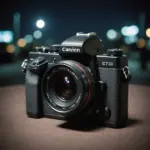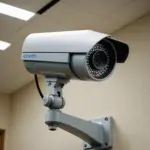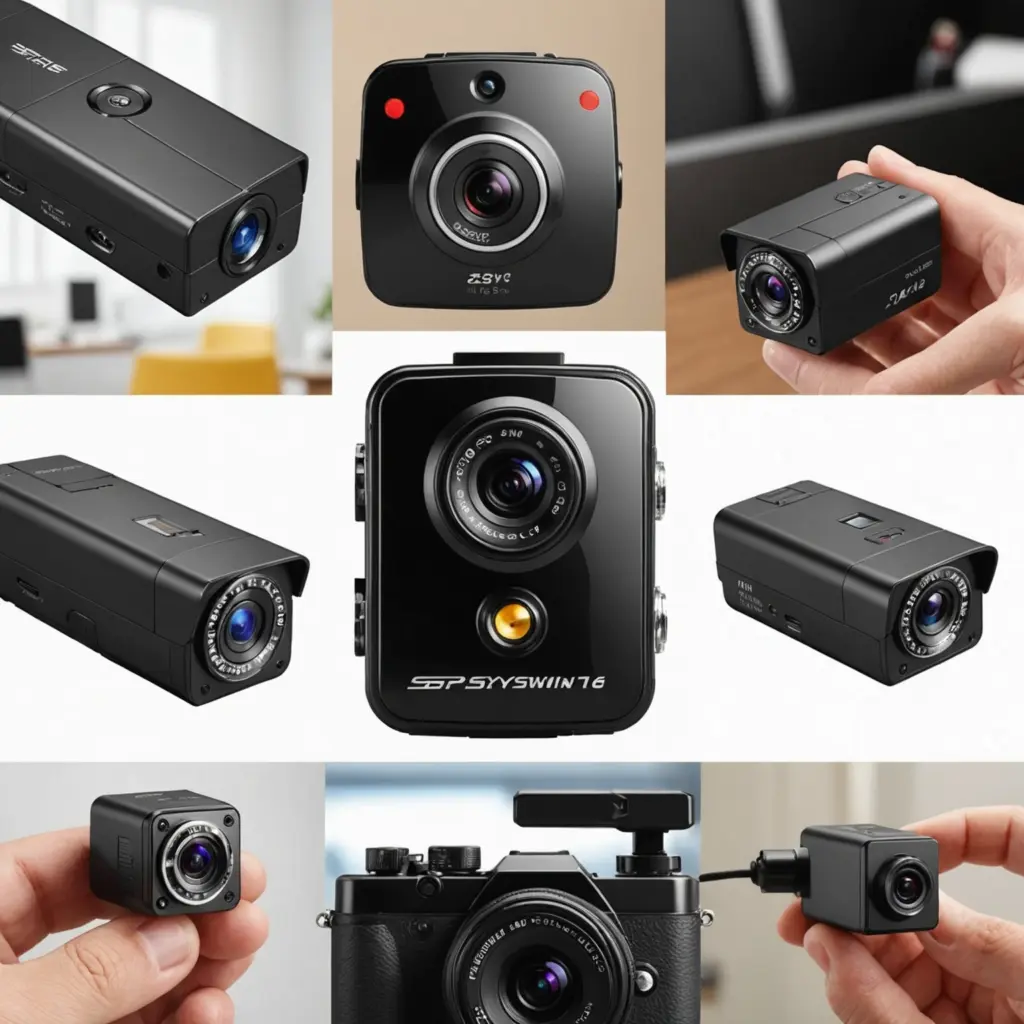

Effective surveillance depends on more than owning a discreet camera. Private investigators need equipment that supports careful observation, reliable recording, secure evidence handling, and safe fieldwork. The best setup varies according to the assignment: a short observation period may require a compact camera and spare power, while a longer operation may call for weather-resistant equipment, remote monitoring, and secure data storage. Private detectives often rely on covert recording devices to document evidence during discreet surveillance operations.
What professional surveillance equipment needs to provide
Surveillance equipment should be selected around the objectives and conditions of the investigation. Important considerations include image quality, battery duration, storage capacity, low-light performance, portability, and the ability to operate without attracting attention.
A suitable device should also be dependable. An unreliable connection, full memory card, depleted battery, or poorly positioned lens can leave important events undocumented. Equipment that is easy to test, configure, and maintain is often more valuable than a feature-rich device that is difficult to operate in the field.
Common types of private detective cameras and field gear
Private detective cameras are available in several formats, each suited to different surveillance conditions. Depending on the assignment, an investigator may consider:
- Compact or concealed cameras: Useful when a small footprint is important, provided their placement and use comply with applicable law.
- Low-light cameras: Designed for situations where natural or indoor lighting is limited.
- Long-range cameras: Helpful for documenting activity from a greater distance while reducing the need to approach the subject.
- Wearable cameras: May support mobile observation when hands-free operation is necessary.
- Vehicle cameras: Can record activity around a vehicle or document travel during an assignment.
- Motion-activated systems: Useful for monitoring a defined area while conserving storage and battery power.
- Portable power and storage: Spare batteries, power banks, memory cards, and secure backup drives help prevent avoidable interruptions.
- Mounting and weather protection: Stable mounts, protective housings, and suitable seals are important for outdoor or extended deployments.
Wireless transmitters and remote viewing systems can provide live access where appropriate, but they introduce additional requirements for network security, signal reliability, and protection against unauthorized access.
Planning a surveillance setup
Good results begin with planning rather than with the camera itself. Before deployment, assess the location, likely activity, lighting changes, power sources, and safe places for equipment. Identify possible obstructions and check whether the selected angle captures useful context as well as identifying detail.
Test every device under conditions similar to the assignment. Confirm that the date and time are configured correctly, recording settings are suitable, and storage is available. For longer operations, calculate expected battery life and recording capacity instead of relying on estimates made under different conditions.
A layered approach can be useful: a stationary camera may document a wider area while mobile observation records activity from a closer position. However, adding equipment should improve coverage without creating unnecessary intrusion or increasing the risk of detection and data loss.
Handling recordings and preserving evidence
Footage is only useful when its origin and handling can be explained. Investigators should establish a consistent process for downloading, labeling, storing, and backing up recordings. Original files should be protected from casual editing, and working copies should be clearly distinguished from originals. Private detectives can streamline evidence review by pairing field equipment with CCTV monitoring software.
Access to recordings should be limited to authorized people. Secure storage and encrypted transfers can reduce the risk of interception or accidental disclosure, particularly when files are moved from a field device to another system. A written record of when footage was collected, transferred, or reviewed can also help document its handling.
Legal and ethical boundaries
Hidden-camera use is governed by laws that differ between jurisdictions and circumstances. Rules may address consent, audio recording, surveillance in public or private areas, workplace monitoring, and the use of recordings in legal proceedings. Video and audio are not always treated in the same way, so an investigator should not assume that a permitted video recording also permits sound recording.
Areas such as bathrooms, bedrooms, and other places where people reasonably expect privacy require particular caution and may be subject to strict restrictions. Workplace and residential monitoring can also involve additional obligations. Before deploying equipment, obtain advice suited to the location and purpose of the investigation.
Responsible practice means using the least intrusive method that can answer the investigative question, avoiding entrapment, and limiting collection to relevant information. Privacy, personal safety, and the dignity of everyone affected should remain part of the planning process.
Maintenance, training, and equipment selection
Choose equipment according to the assignment rather than purchasing the most advanced option available. A discreet, long-running system may be preferable for one case, while another may require optical detail, mobility, or immediate viewing.
Routine maintenance should include charging and testing batteries, checking mounts and weather seals, updating device software when appropriate, clearing or replacing storage media, and confirming that backups can be opened. Investigators also need practical training in camera positioning, low-light limitations, secure data handling, and troubleshooting wireless connections.
Surveillance technology can support a careful investigation, but it does not replace observation skills, sound judgment, or legal advice. When equipment is selected for a clear purpose and used with proper planning, documentation, and restraint, it is more likely to produce reliable information while protecting the integrity of the investigation.