
A professional network video recorder (NVR) can provide the central recording, storage, and management platform for a multi-camera security system. In sensitive environments, the recorder may need to support discreetly installed cameras as well as visible devices, while preserving reliable footage, controlling access, and simplifying maintenance.
Because concealed surveillance can affect privacy and legal rights, the technology should be deployed only for legitimate, documented purposes and in accordance with applicable laws. A capable NVR is not a substitute for proper authorization, clear policies, or responsible oversight.
What sets a professional NVR apart?
Compared with basic consumer recorders, a professional NVR is generally designed for greater capacity, sustained operation, and centralized administration. These characteristics are especially important when several network cameras must record simultaneously at high resolution.
- Higher channel capacity: The recorder should support the number of cameras planned for the site, with enough processing and network throughput for their intended resolution and frame rate.
- Reliable storage management: Retention settings, efficient video compression, and expandable storage help manage longer recording periods.
- Recording integrity: Time synchronization, audit logs, tamper alerts, and controlled access can help establish when footage was created and who handled it.
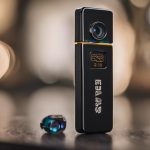
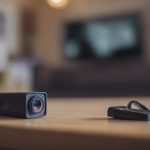
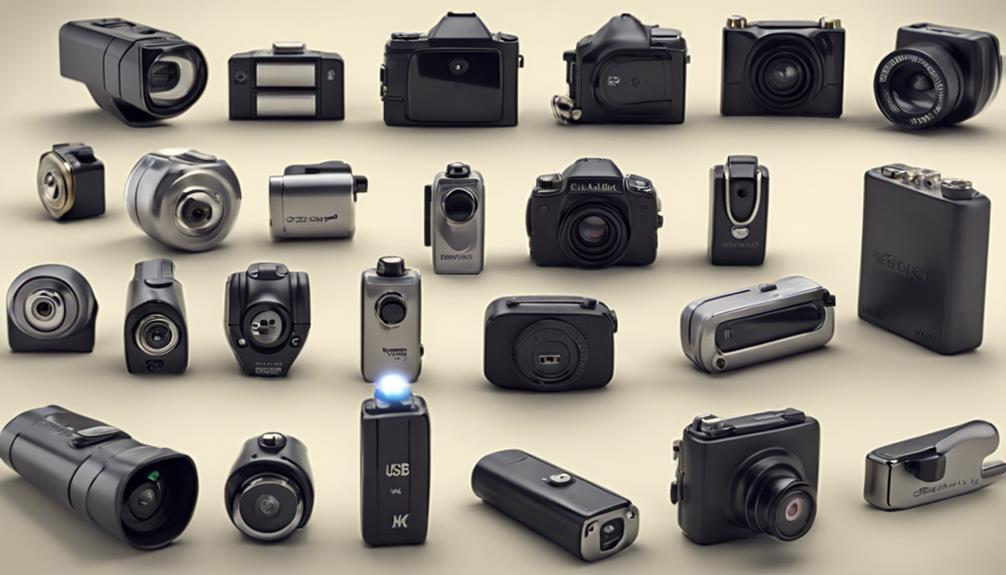
- Broad camera compatibility: Support for the selected network cameras allows discreet, compact devices and conventional visible cameras to be managed in one system.
- Secure administration: Encrypted connections, strong credentials, and multi-factor authentication help limit unauthorized access to sensitive video.
Where can an NVR support sensitive monitoring?
Professional recording systems may be used in settings such as retail loss prevention, facility security, and authorized investigations. In a retail environment, a discreet camera may complement visible cameras that provide general coverage and deterrence. In care settings, any monitoring intended to protect vulnerable people must be carefully limited, authorized, and designed to respect dignity.
Other organizations may use network recording to document incidents in restricted work areas or preserve footage for an internal investigation. The appropriate use depends on the purpose, location, permissions, and rules that apply. Cameras must never be placed in areas where people reasonably expect privacy, such as bathrooms or private changing spaces.
Features to evaluate before purchase
Capacity and recording performance
Calculate the total number of cameras, expected resolution, frame rate, and recording schedule before choosing a recorder. The NVR should have sufficient channel capacity and throughput for the complete system rather than only the initial installation. Motion-triggered recording can help focus storage on relevant events, while continuous recording may be appropriate for locations where a complete timeline is required.
Search and evidence management
Time-synchronized cameras make it easier to reconstruct events across multiple views. Useful search tools may include event filters, motion markers, and metadata tagging. If footage could be used in a formal investigation, document the camera identity, recording time, export process, and people who accessed the file.
Storage resilience and access control
Consider whether the system supports redundant drives or RAID, since a drive failure can otherwise result in lost recordings. Storage redundancy does not replace backups or a defined retention policy. Limit administrative privileges, use individual accounts where possible, and review access logs for unusual activity.
Installation and network planning
Discreet installation should not compromise image quality, ventilation, or the ability to service the equipment. Confirm that the lens has a clear field of view and that the camera will not be exposed to excessive heat. Power over Ethernet can simplify cabling for compatible network cameras, but the switch, cabling, and power budget must still support the complete installation.
For larger or more sensitive systems, place surveillance devices on a separate network or VLAN. Quality-of-service settings may help prioritize video traffic, and clear documentation should identify each camera’s physical location, network address, and NVR channel. Store this documentation securely because it may reveal the location of sensitive equipment.
Privacy, legal, and ethical safeguards
Rules for video and audio recording differ by jurisdiction. Audio may be subject to additional restrictions, and recording employees, customers, residents, or visitors may require notice, consent, authorization, or a documented legitimate purpose. Obtain legal advice before deployment, particularly when monitoring people in care, employment, housing, or other sensitive relationships.
Establish written policies covering the purpose of monitoring, approved locations, retention periods, access permissions, disclosure of footage, and responses to complaints or information requests. Where appropriate, use privacy-protective features such as restricted recording schedules or image masking. Oversight from a compliance officer or other responsible reviewer can help prevent a system from being used beyond its stated purpose.
Maintenance and long-term management
A professional NVR requires continuing administration. Test camera feeds, notifications, timestamps, motion settings, and retention rules on a regular schedule. Apply firmware and software updates, rotate credentials, protect encryption keys, and back up configuration files. Review access logs and confirm that exported footage is stored securely.
Plan for future expansion by selecting a recorder that can accommodate additional cameras or storage if requirements change. With careful planning, strong security controls, and respect for privacy, a professional NVR can provide dependable recording without turning discreet monitoring into uncontrolled surveillance.