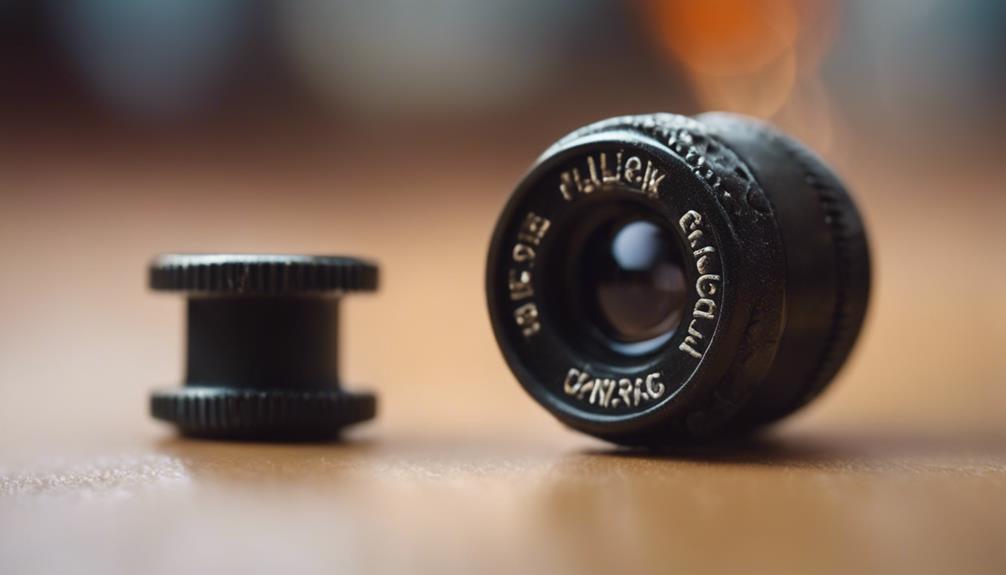

A screw hidden spy camera is a miniature camera designed to resemble an ordinary screw or fastener. Its lens and electronics are built into a compact housing so the device can blend into a wall, fixture, piece of furniture, or another suitable surface. The goal is discreet video monitoring without the camera’s appearance attracting attention.
Although these cameras can be useful for specific security applications, their concealed design also creates significant privacy and legal concerns. Responsible use means understanding the device’s capabilities, installing it safely, and complying with applicable laws and consent requirements.
How a Screw Hidden Camera Works
The camera lens is typically positioned within or near the head of the screw-shaped housing. Depending on the model, the device may record video to internal storage, a removable memory card, or a connected system. Some models may also provide features such as motion-triggered recording, audio, night vision, or remote access.
Capabilities vary considerably between products, so specifications should be checked carefully rather than assumed. Important differences may include video resolution, viewing angle, storage method, battery life, low-light performance, and whether the camera requires a wired power connection.
Why the Design Is Useful
The main appeal of a screw-style camera is its small, unobtrusive form. A conventional security camera may be immediately noticeable, while a camera built into a screw-like housing can be less visually prominent. This can be useful when the aim is to monitor a particular entrance, display, storage area, or other property location without installing bulky equipment.
- Compact installation: The housing can fit in places where a larger camera would be impractical.
- Low visual impact: Its appearance may blend with surrounding hardware or fixtures.
- Targeted monitoring: It can be directed toward a specific area rather than covering an entire room.
- Flexible recording: Depending on the model, recording may be continuous or triggered by detected movement.
These advantages do not eliminate the camera’s limitations. A small housing may have a narrow field of view, limited battery capacity, or reduced performance in poor lighting. Concealment can also make routine maintenance more difficult.
Features to Evaluate Before Buying
Start by deciding what the camera needs to monitor and how it will be powered. Then compare features that affect practical performance:
- Image quality: Higher resolution can make recorded details easier to identify, but it may require more storage.
- Viewing angle: A narrow lens may leave important areas outside the frame.
- Motion detection: This can reduce unnecessary recording, though sensitivity and detection range differ by model.
- Storage: Check whether footage is saved locally or accessed through a connected device.
- Power source: Battery operation simplifies placement but requires charging or replacement; wired models need a suitable power route.
- Low-light performance: Confirm whether the camera can produce usable footage in the intended lighting conditions.
- Privacy and security controls: If the device connects to a network, use strong account credentials and secure the connection.
Installation and Positioning Tips
Choose a location that provides a clear view without pointing into areas where people reasonably expect privacy. Before fixing the camera in place, test the angle and confirm that the lens is not blocked by the mounting surface, dust, or nearby objects.
Plan the power and cable route in advance. Cables should be protected from accidental damage and should not create a trip or fire hazard. If the device is battery-powered, make sure it can be accessed for maintenance without damaging the mounting surface. After installation, test recording, motion detection, time settings, and storage so problems are found before the camera is needed.
Common Security Applications
When used lawfully and with appropriate notice or consent, a compact camera may support monitoring around privately owned property. Possible applications include observing an entrance, checking a storage area, documenting activity near equipment, or supplementing an existing security system.
For many situations, a visible security camera is the better choice. Visible equipment can deter unwanted activity, is easier to maintain, and creates fewer concerns about secret recording. A screw-style camera should not be treated as a substitute for proper locks, lighting, access controls, or a clearly planned security system.
Privacy, Consent, and Legal Responsibility
Hidden cameras can seriously interfere with privacy when used without permission. Laws differ by location, but recording people in bedrooms, bathrooms, changing areas, or other private spaces is especially likely to be prohibited. Audio recording may also be subject to separate rules.
Before installing or operating any concealed camera, check the laws that apply to the location and obtain any required consent. Do not use one to spy on household members, employees, visitors, tenants, caregivers, or other individuals without a lawful basis. If the purpose is workplace or care-related monitoring, written policies and clear notice may be necessary.
Maintenance and Responsible Use
Keep the lens clean with a soft, lint-free cloth and avoid abrasive cleaners. Check the power source, storage capacity, date and time settings, and recording function regularly. Store footage securely, restrict access to authorized people, and delete recordings when they are no longer needed.
A screw hidden spy camera is best understood as a specialized, compact surveillance device—not a license for secret observation. Selecting the right specifications, installing it safely, and respecting privacy laws are essential to using the technology responsibly.