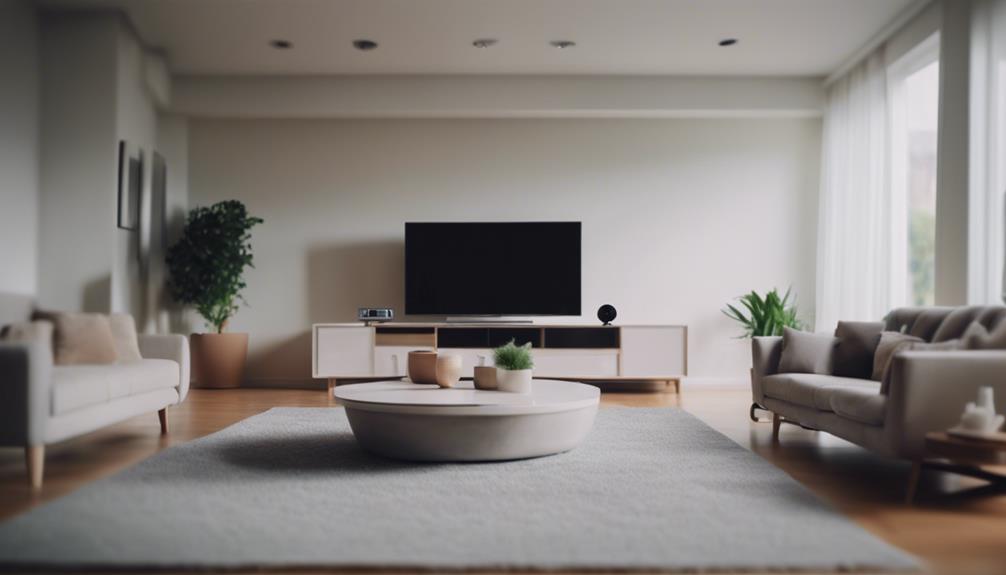

A thermostat spy camera is designed to resemble an ordinary wall thermostat while recording activity in the surrounding area. Its discreet appearance can make it useful for people who want to monitor an entrance, hallway, living area, or another shared space without installing a visibly conventional camera.
However, discreet surveillance should always be approached carefully. Before installing one, consider who may be recorded, where the device will be placed, whether audio is captured, and what local privacy laws require. Used responsibly, a thermostat-style camera can support home monitoring and provide useful information when you are away.
Ways a Thermostat Spy Camera May Be Used
Monitor activity at home
A camera positioned in a suitable common area can help you check activity around your property. It may be useful for observing an entryway, identifying unexpected visitors, or reviewing what happened after a security concern. Because the device resembles a thermostat, it may attract less attention than a visible security camera.
Placement matters. The camera should cover an appropriate area without pointing into bedrooms, bathrooms, changing areas, or other locations where people reasonably expect privacy. Avoid positioning it where it records more of the home than is necessary for the security purpose.
Oversee care and household services
Some homeowners consider indoor cameras when caregivers, cleaners, or housekeepers are working in the home. Monitoring may help document activity related to property safety or the care of a family member, but it also raises important ethical and legal questions.
Whenever possible, tell household workers and caregivers that surveillance is present and explain its purpose. Secret recording can damage trust and may be restricted by local law, particularly if the device records conversations. A clear policy about camera locations, access to recordings, and how long footage is retained can reduce misunderstandings.
Deter theft and vandalism
A surveillance system can help discourage unauthorized access, theft, or damage to property. A thermostat-style camera is less visually obvious than a traditional camera, which may be useful when you want the equipment to blend into the room. If an incident occurs, recorded footage may help you understand the sequence of events and provide information to the appropriate authorities.
A camera should not be treated as a complete security system. Strong doors and locks, appropriate lighting, alarms, and sensible storage of valuables can provide additional protection.
Check on pets while away
Remote viewing can help you see whether a pet is safe, active, or showing unusual behavior while you are out. Reviewing footage may also reveal problems such as repeated destructive behavior or signs that an animal is struggling when left alone.
Camera footage cannot replace proper care, supervision, or veterinary advice. It is best used as an observation tool rather than as the sole way to respond to a pet’s needs.
Stay informed while traveling
If the camera supports remote access, you may be able to check a room or receive motion-related notifications while away from home. This can provide reassurance during a trip and help you decide whether an alert requires action.
Remote access also introduces security responsibilities. Use a strong, unique account password, enable available login protections, keep the device and its application updated, and avoid sharing access unnecessarily. Consider who can view stored recordings and whether cloud storage is involved.
Features to Consider
- Motion detection: Recording or alerts can be triggered when movement is detected, reducing the need to review hours of uneventful footage.
- Remote viewing: Some systems allow live or recorded video to be accessed through a connected device.
- Storage options: Check whether footage is saved locally, on removable media, or through an online service, and review any retention settings.
- Installation requirements: Confirm how the unit receives power and whether its appearance, field of view, and mounting position suit the intended location.
- Audio recording: Treat microphones as a separate privacy issue. Rules for recording conversations may be stricter than rules for video.
Privacy and Legal Responsibilities
Before using a hidden or discreet camera, check the laws that apply where the device will be installed. Requirements can differ depending on whether the camera is in a private residence, a workplace, or a shared building. They may also depend on consent, the recording of audio, the purpose of surveillance, and how footage is stored or shared.
Workplace monitoring requires particular caution. Employees may have privacy rights, and surveillance should have a legitimate, clearly communicated purpose. A thermostat camera should not be used to monitor people in private areas or to collect more information than necessary. If the footage could be used as evidence of wrongdoing, preserve it carefully and obtain appropriate legal advice before relying on it.
Is a Thermostat Spy Camera Right for You?
This type of camera may suit someone who wants a less conspicuous monitoring device for a common area, especially when motion alerts and remote access are important. The decision should balance security benefits with consent, transparency, data protection, and local legal requirements.
Choose a location and recording setup that serve a specific purpose, inform affected people when required, and protect any footage you collect. Responsible use makes discreet surveillance more useful while reducing the risk of unnecessary privacy violations.