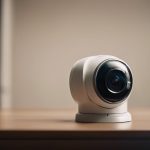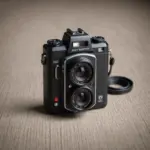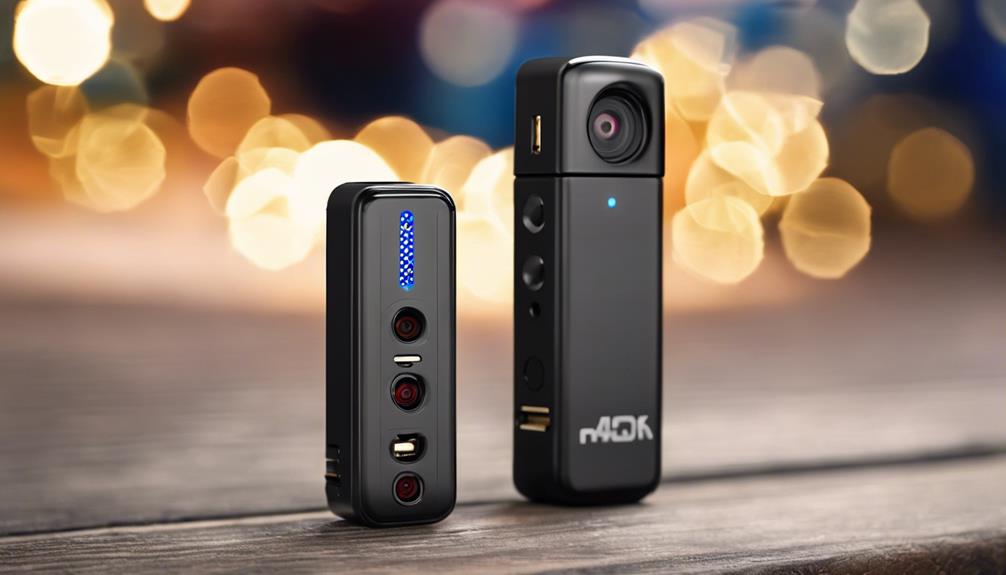

Secret outdoor security cameras can provide discreet monitoring around a home without changing the appearance of a garden, porch, driveway, or building exterior. They are often used to cover blind spots, protect outbuildings, and complement visible security equipment. The best setup balances concealment with reliable image quality, weather resistance, responsible placement, and respect for privacy.
Why use discreet outdoor cameras?
A concealed camera can continue recording if a visible camera is obstructed, damaged, or ignored. Used as part of a layered security plan, it may help document activity around entrances, side gates, sheds, and other areas that are difficult to watch from indoors.
Discreet equipment can also suit properties where a prominent camera would distract from the design. This may include landscaped gardens, historic-looking exteriors, or minimalist homes. Concealment should not be the only priority, however. A camera that is well hidden but poorly positioned, unreliable in bad weather, or unable to produce useful footage offers limited protection.
Common types of hidden outdoor security cameras
Outdoor cameras are available in small housings or disguised forms designed to blend into their surroundings. Common options include:
- Rock-style cameras: These can blend into flower beds, lawns, and other landscaped areas.
- Tree or garden cameras: Small units may be incorporated into faux branches, hollows, or garden features.
- Soffit and eave cameras: A compact camera can be recessed or mounted beneath an overhang to watch a doorway or path.
- Disguised fixture cameras: Some housings resemble lights, birdhouses, sprinkler heads, or other outdoor objects.
- Driveway cameras: A concealed unit near a post, wall, or planting area can monitor vehicles and people approaching the property.
Choose a disguise that fits naturally into its surroundings and does not block the lens, motion sensor, or night-vision system. A camera hidden in dense foliage, for example, may become ineffective when leaves move across the view.
Features that matter most
Weather resistance and durability
Outdoor equipment must be designed for exposure to rain, dust, temperature changes, and sunlight. Look for a weather-resistant housing intended for exterior use. The mounting method also matters: a secure installation can prevent vibration, accidental movement, and damage from wind.
Image quality and night vision
Choose enough resolution to identify people and understand activity at the intended distance. Night vision is important for monitoring after dark, but test or review the camera’s field of view carefully. Reflections from nearby walls, glass, or pale surfaces can reduce the usefulness of infrared footage.
Power and connectivity
Battery-powered cameras are convenient for locations where wiring would be difficult or reveal the device. Their practicality depends on battery life, access for maintenance, and how often motion alerts are triggered. Solar charging may help in suitable locations, while hardwired cameras are better suited to continuous monitoring but can require more involved installation.
Wireless models may offer remote viewing, motion notifications, and recorded footage through an app. Before choosing one, confirm that the signal reaches the planned location reliably. A wired connection may be preferable where wireless coverage is weak or consistent recording is especially important.
Where to place a concealed outdoor camera
Start by identifying a specific security problem rather than hiding cameras at random. Useful locations may include:
- Front and side entrances
- Driveways and vehicle access points
- Side gates and narrow paths
- Sheds, garages, and other outbuildings
- Ground-level windows and secluded garden areas
Position the camera high enough to reduce the risk of tampering, but not so high that faces and other important details become difficult to see. Keep the lens clear of branches, decorative features, fences, and other obstructions. Avoid aiming directly toward strong lights, reflective surfaces, or areas that create constant movement, since these conditions can reduce image quality and produce unwanted alerts.
For driveways, select an angle that shows the approach without relying on a distant, narrow view. If identifying vehicles is important, test the camera during both daylight and darkness before treating the installation as complete.
Privacy, legality, and responsible use
Rules for outdoor surveillance differ by location. Recording activity on your own property may be permitted, but capturing neighboring gardens, public areas, or conversations can create legal and ethical concerns. Audio recording is often subject to additional restrictions, so disable audio unless you have confirmed that its use is lawful and necessary.
Do not place cameras where people would reasonably expect privacy, such as bathrooms, bedrooms, or enclosed private areas belonging to others. Adjust the field of view, use privacy masking if available, and avoid collecting more footage than needed. Signs or other notice may be appropriate depending on local requirements and the people who regularly visit the property.
Plan the system before you install it
Secret outdoor security cameras work best when concealment supports—not replaces—good planning. Map the areas you need to monitor, select weather-appropriate equipment, confirm power and connectivity, and check the view in different lighting conditions. Combining discreet cameras with sensible lighting, secure locks, and visible security measures can provide broader coverage while keeping the installation lawful and respectful.