
A smart sock is a wearable baby monitor designed to collect selected physiological readings while an infant sleeps or rests. The device typically fits around the baby’s foot and uses light-based sensors to estimate heart rate and blood oxygen levels. Depending on the product, readings may be sent to a nearby base station, a smartphone app, or both.
For parents considering a smart sock, the most important question is not simply which model to buy. It is how this type of monitor fits into a broader approach to infant care, what information it can provide, and where its limits matter.
What a smart sock measures
A smart sock works in a similar general way to a pulse oximeter: sensors placed against the foot use light to estimate pulse rate and oxygen saturation. The accompanying app or base station may display readings and issue an alert when measurements move outside the device’s configured parameters.
These readings can provide additional information during sleep, but a consumer smart sock is not the same as equipment used in a hospital. It should not be treated as a diagnostic device or as proof that an infant is medically safe. A reading can also be affected by movement, an incorrect fit, poor sensor contact, or a connection problem.
Smart socks and baby cameras serve different purposes
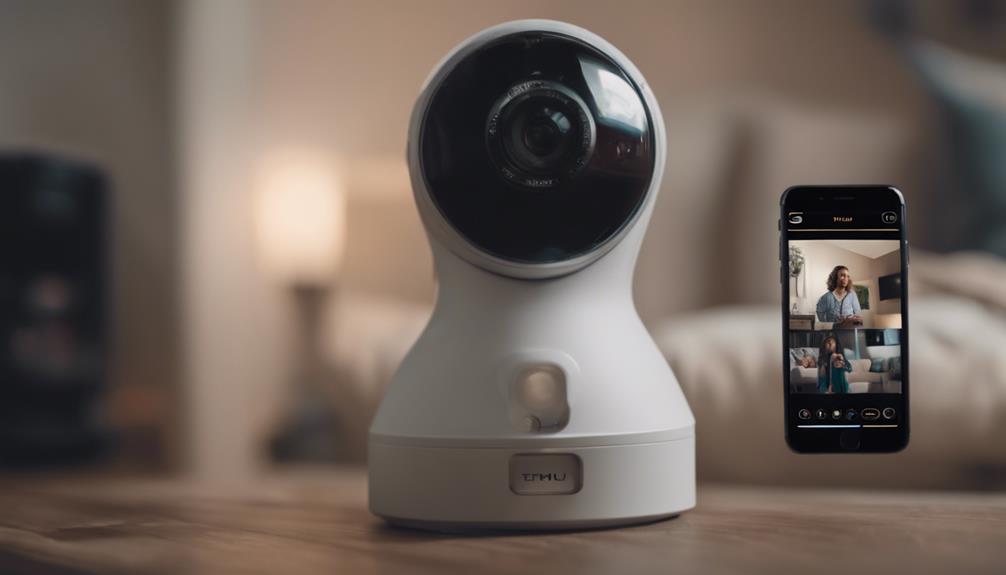
A camera provides visual and audio context. It may allow a caregiver to check whether the baby is awake, moving, crying, or in an unusual sleeping position. A smart sock attempts to provide physiological information that cannot be seen through a video feed.
Used together, the two devices can answer different questions:
- Camera: What is happening in the room?
- Smart sock: What readings is the wearable reporting?
- Caregiver: What action is appropriate after considering both the alert and the visible situation?
For example, a caregiver who receives an alert may use the camera to look for movement, an unusual position, or an obvious issue with the sock. The camera cannot confirm whether an oxygen or pulse reading is normal, however, and the sock cannot show the entire sleep environment. Neither device replaces physically checking the baby when that is appropriate.
Who may consider using one?
Some parents are especially interested in smart socks when caring for a newborn, a premature infant, or a baby with a known medical concern. In these situations, the decision should be discussed with the child’s pediatrician or other qualified clinician. A healthcare professional may recommend medical-grade monitoring, a particular care plan, or no home wearable at all.
For a healthy full-term infant, a smart sock is generally a personal monitoring choice rather than a substitute for medical supervision. It may offer reassurance to some families, while increasing anxiety for others if alerts are frequent or difficult to interpret.
Accuracy, fit, and false alerts
Home monitoring devices can produce alerts that do not indicate a genuine medical problem. A sock that has shifted, is too loose, or has lost contact with the skin may generate an unreliable reading. Infant movement can also interfere with measurements.
Before relying on a smart sock, caregivers should:
- Use the size and placement recommended by the manufacturer.
- Check that the sensor remains in contact with the foot without making the sock uncomfortably tight.
- Keep the device charged and understand how its base station or app reports interruptions.
- Learn what each alert means and how alerts can be acknowledged or escalated.
- Follow the manufacturer’s cleaning, charging, and usage instructions.
Do not ignore a baby who appears unwell because a wearable reports a reassuring reading. Likewise, do not assume that every alert identifies a medical emergency. When there is a concern about breathing, color, responsiveness, or other symptoms, seek appropriate medical help rather than relying on the device to interpret the situation.
Privacy and everyday practicalities
Many smart socks connect to an app, and some systems transmit information through online services. Before purchasing, review the product’s privacy information and consider what data is collected, where it is stored, and who can access the account. Use a strong, unique password and secure the home network used by connected nursery devices.
Also compare the practical details that are easy to overlook: battery life, charging time, app compatibility, notification volume, warranty coverage, return policies, and any additional service costs. A lower purchase price may not represent the total cost if a product requires accessories or an ongoing subscription.
How to decide whether a smart sock belongs in your nursery
Consider a smart sock as one part of a monitoring setup, not as a complete safety system. A camera can help you see the room, while the wearable can offer another set of readings. The value of that combination depends on the infant’s needs, the caregivers’ ability to respond to alerts, and realistic expectations about consumer technology.
If your baby has a medical condition or a clinician has recommended monitoring, ask which equipment is suitable before choosing a consumer product. For other families, the best decision may depend on whether the device provides useful reassurance without creating constant worry. Whatever you choose, follow safe-sleep guidance and treat alerts, visible symptoms, and professional medical advice as more important than an app’s status screen.