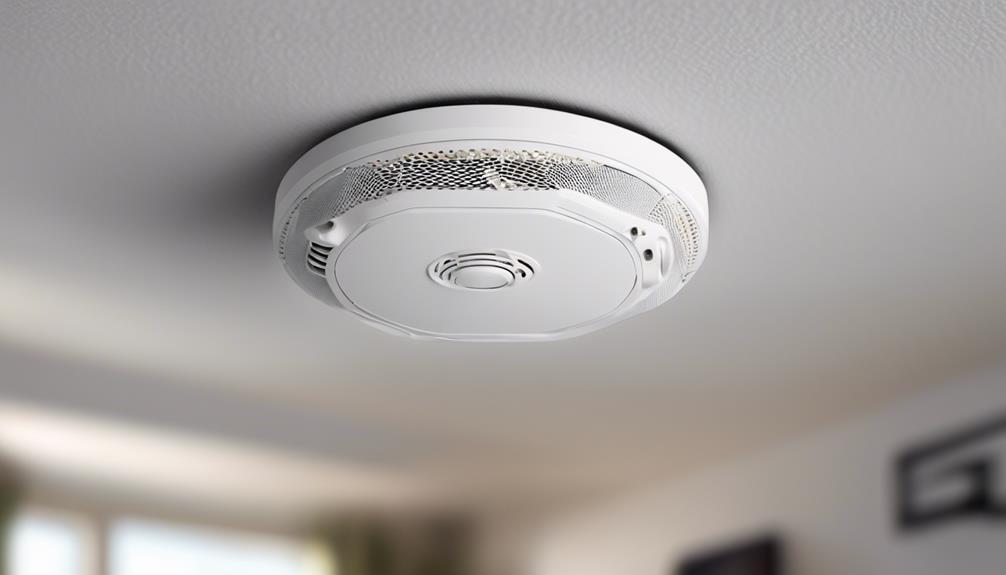

Wi-Fi smoke detector-style cameras with audio combine a compact form factor with remote monitoring features. They may be considered for authorized security use in homes, offices, or other spaces where surveillance is lawful and everyone affected has been properly informed. Because these devices can be difficult to notice, privacy, consent, and local recording laws should be treated as essential considerations rather than afterthoughts.
Seven features to evaluate
1. Compact, discreet design
The smoke detector form factor is designed to blend with a ceiling or wall, helping the camera avoid the appearance of conventional security equipment. Before installation, confirm that the device is permitted in the chosen location and that it will not be mistaken for a working fire-safety device. A camera should never replace a certified smoke alarm.
2. Wi-Fi connectivity and setup
Wireless connectivity can make installation simpler by avoiding the need for a dedicated video cable. Setup normally involves connecting the camera to a compatible Wi-Fi network and configuring access through a phone, tablet, or computer. Check the manufacturer’s instructions for network requirements, app compatibility, password settings, and firmware updates.
A reliable connection is particularly important if the camera is intended for remote viewing. Test the signal from the planned location before permanently mounting the device, and avoid placing it where walls, appliances, or other obstructions could interfere with performance.
3. Video quality and viewing angle
Image quality determines how useful recorded or live footage will be. When comparing models, look for clear detail, stable streaming, and a viewing angle that suits the room. A wide-angle lens can cover more of an area and reduce blind spots, but it may also capture spaces that should remain private. Position the camera carefully and avoid bathrooms, bedrooms, changing areas, and other locations where people reasonably expect privacy.
4. Audio recording and communication
Audio requires extra caution. Depending on local law, recording or transmitting conversations may require consent from one or more people. Some jurisdictions apply stricter rules to audio than to video, so review the applicable requirements before enabling the microphone.
Some devices support two-way communication, allowing an authorized user to listen and speak through the camera. This can be useful for approved monitoring, but it also increases the importance of clear notice, access controls, and responsible use.
5. Remote access and live monitoring
Remote access allows an authorized user to view a live feed through a connected device. Consider whether the system requires an account, how access is shared, and whether multiple users can be managed separately. Avoid using shared or default passwords, and remove access for anyone who no longer needs it.
6. Motion detection, alerts, and night vision
Motion detection can send an alert when activity is identified in the camera’s view. Adjustable sensitivity may help reduce notifications caused by pets, shadows, or other harmless movement. If available, activity zones can further limit alerts to relevant parts of the room.
Night vision, commonly based on infrared illumination, can improve visibility in low-light conditions. Test it in the actual installation area because reflective surfaces, darkness, and the camera’s position can affect the result.
7. Data protection and privacy controls
Security features are important whenever video or audio travels over a network. Look for encrypted connections, secure account authentication, regular firmware updates, and clear information about storage. If recordings are stored in the cloud, review retention settings and who can access the account. If local storage is supported, protect the memory card and any device used to view footage.
Responsible installation checklist
- Confirm that surveillance and audio recording are legal in your location.
- Obtain any consent or provide any notice required for the people being recorded.
- Use the camera only for a legitimate, authorized purpose.
- Do not rely on a camera housing as a replacement for a certified smoke detector.
- Change default credentials and enable available security protections.
- Limit viewing and recording to the area that genuinely needs monitoring.
- Delete footage when it is no longer needed and protect exported files.
Final considerations
The main benefits of Wi-Fi smoke detector-style cameras with audio are their compact design, remote access, motion alerts, low-light capability, and potentially broad field of view. However, those same features can create serious privacy and security risks when used without notice or consent. Compare the technical specifications, but make lawful and transparent use the deciding factor before installing any model.