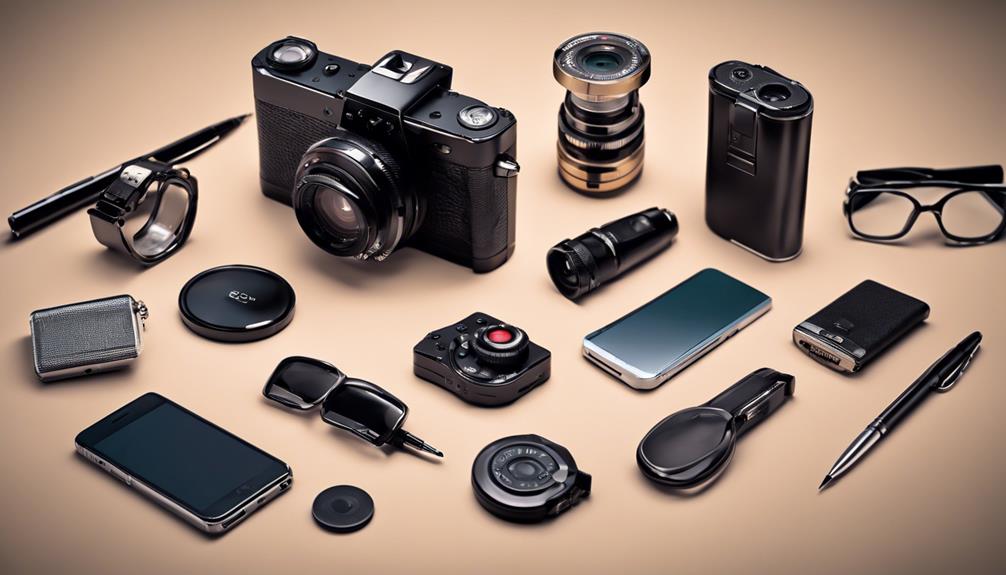

Compact recording devices come in many everyday forms, from pens and watches to clocks and keychains. They can be useful for legitimate purposes such as documenting interviews, recording personal notes, supporting security procedures, or monitoring property where appropriate. However, recording people without their knowledge may be restricted by privacy and consent laws. Always check the rules that apply in your location and obtain permission when required.
1. Mini Spy Camera Pen
A camera pen combines an ordinary writing instrument with discreet video and audio recording. Its familiar shape makes it easy to carry in a pocket or place on a desk, while its compact design is intended to avoid attracting attention.
When evaluating a pen camera, look for the recording resolution, audio clarity, storage method, battery runtime, and ease of transferring files. A high-definition model may be suitable when visual detail matters, while a straightforward control layout is helpful when recording needs to begin quickly. Use it only in settings where filming and audio capture are lawful.
2. Hidden Voice Recorder Watch
A voice recorder watch places audio-recording functions inside a wearable design. It may be useful for recording permitted interviews, meetings, lectures, or personal reminders without carrying a separate recorder.
Because the device is worn on the wrist, portability is one of its main advantages. Pay attention to microphone quality, available storage, battery life, recording controls, and how easily files can be reviewed later. A watch recorder is designed for audio rather than visual documentation, making it a practical choice when video is unnecessary or inappropriate.
3. Wi-Fi Spy Camera Clock
A Wi-Fi camera clock is designed to resemble a standard room clock while offering video monitoring and remote viewing features. Its clock-style housing may suit a home office, living area, or other location where a conventional camera would be visually intrusive.
Remote access can be convenient, but it also makes network security especially important. Change default passwords, use a strong password for the associated account and Wi-Fi network, keep software updated when updates are available, and avoid sharing camera credentials. Before installation, consider who may be recorded and whether everyone with a reasonable expectation of privacy has given the necessary consent.
4. USB Flash Drive Audio Recorder
This device combines the familiar appearance and portability of a USB flash drive with audio-recording capability. It can be carried in a bag or pocket and may be convenient for approved workplace, study, interview, or note-taking applications.
Storage capacity, battery performance, audio quality, and file-transfer compatibility are important selection criteria. Some versions may also offer data-protection or encryption features, but those capabilities vary by product and should be verified before purchase. Treat recordings as sensitive files: use secure storage, limit access, and delete material that is no longer needed.
5. Smoke Detector-Style Hidden Camera
A smoke detector-style camera is designed to blend into a ceiling or wall environment while providing a broad view of a room. Depending on the model, features may include high-definition video, motion-triggered recording, and a wide viewing angle.
Placement should never interfere with a real smoke detector or create confusion during an emergency. More importantly, a camera disguised as a safety device can raise serious privacy concerns, particularly in homes, workplaces, rental properties, and shared spaces. Use visible, clearly disclosed security equipment whenever possible, and follow applicable surveillance requirements.
6. Body-Worn Camera Glasses
Camera glasses integrate a small camera into eyewear, allowing the wearer to document activities while keeping both hands free. They may be considered for authorized fieldwork, inspections, accessibility-related documentation, or other situations where hands-free recording is useful.
Look for video and audio quality, comfort, recording controls, battery duration, and the ease of indicating when recording is active. Their discreet appearance makes consent particularly important. Do not use camera glasses to record private conversations or restricted locations without authorization.
7. Portable Keychain Voice Recorder
A keychain recorder is a small audio device intended for convenient everyday carrying. Its compact form can be useful for recording permitted conversations, interviews, classes, reminders, or ideas while away from home.
Compare microphone performance, battery life, storage capacity, charging method, and the clarity of the device’s controls. A small recorder is only useful if its files can be easily saved and identified afterward, so check how recordings are named and transferred. As with any audio recorder, inform participants and obtain consent whenever local rules require it.
How to Choose Responsibly
- Choose the right format: Select audio-only equipment when video is unnecessary, or a visible camera when transparency is preferable.
- Check practical specifications: Review battery life, storage, recording quality, file access, and charging requirements.
- Protect recordings: Store files securely and avoid exposing sensitive audio or video to unauthorized people.
- Plan placement carefully: Do not obstruct safety equipment or record in areas where people reasonably expect privacy.
- Follow consent and privacy rules: Requirements differ by location and situation, so confirm them before recording.
These seven device formats serve different recording needs, but responsible use matters as much as size or image quality. Compare the features that fit your intended, lawful purpose, and choose the most transparent option that can do the job.