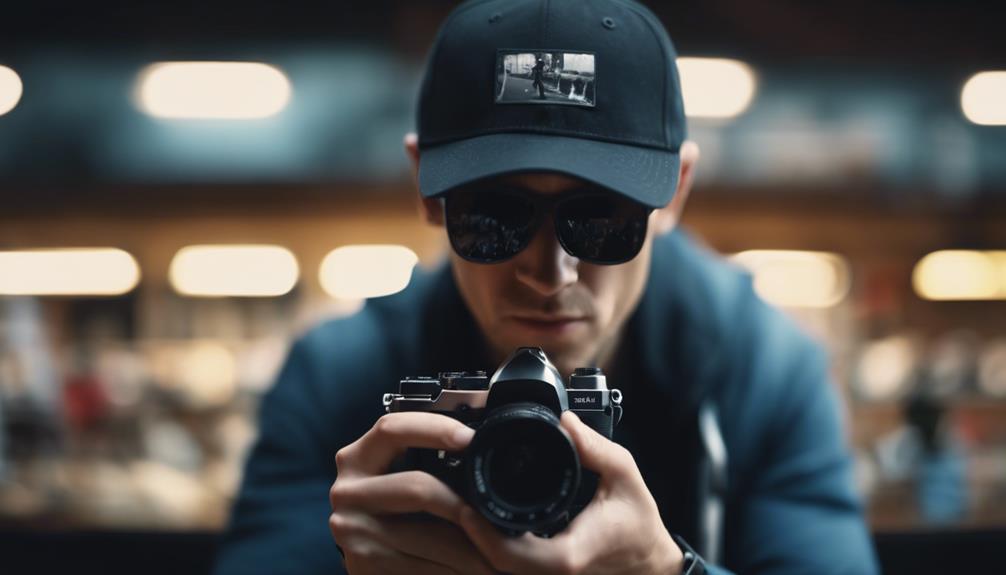

A spy camera baseball cap combines a wearable design with hands-free video recording. That makes it useful for first-person footage, outdoor activities and creative projects—but discreet recording also creates serious privacy concerns. Before using one, check local laws, follow venue rules and obtain consent whenever people may be identifiable or recorded in a private setting.
1. Record hands-free outdoor adventures
Use the cap to document hikes, walks, bike rides or scenic routes from your own point of view. A wearable camera can keep both hands available for equipment and navigation while preserving the feeling of moving through the environment yourself.
2. Create first-person travel footage
A cap-mounted camera can add a natural perspective to travel videos. Film the route through a market, a nature trail or a landmark visit, then combine the footage with planned shots and narration. Avoid recording people closely without permission, especially in places where privacy is expected.
3. Capture sports and recreational activities
Record your own participation in activities such as cycling, skating, fishing or casual practice sessions. The viewpoint can show movement and technique more clearly than a stationary camera. For organised games or events, ask the organisers about filming policies before recording.
4. Document a project or demonstration
When your hands are occupied, the cap can record a repair, craft project, cooking demonstration or outdoor task. This perspective is helpful for instructional content because viewers can see the same general working angle as the person performing each step.
5. Film nature without disturbing it
Wildlife and landscape footage can benefit from a small, wearable camera when it is used responsibly. Keep a safe distance, do not approach or bait animals, and follow rules for parks and protected areas. The goal should be to observe natural behaviour rather than interfere with it.
6. Add an unusual angle to creative videos
Use the cap as one camera among several in a short film, sketch or visual experiment. A first-person shot can make an introduction, transition or action sequence feel more immediate. Plan the scene in advance so everyone involved understands when recording will take place.
7. Record personal memories at gatherings
For parties, reunions and celebrations, tell guests that you are filming and give them a clear opportunity to opt out. A wearable camera can capture your own interactions and activities without requiring someone to hold a phone, but it should not be used to secretly record guests or private conversations.
8. Produce behind-the-scenes vlog material
Vlog creators can use first-person footage to show setup, travel between locations or the making of a project. Edit the material with narration, captions and conventional camera shots so the cap footage supports the story rather than becoming the entire presentation.
9. Review personal safety situations lawfully
If you need a record of an interaction in a public place, recording may be permitted in some jurisdictions, while other locations require consent from everyone involved. Learn the rules that apply where you live. Never rely on a hidden camera as a substitute for contacting emergency services, security staff or appropriate authorities.
10. Capture a first-person event recap
A cap camera can help document your own experience at a permitted event, workshop or outdoor activity. Confirm that photography and recording are allowed, avoid filming restricted areas and respect requests from staff or participants. A short, clearly explained recap is usually more appropriate than uploading unedited footage of strangers.
Practical tips before recording
- Test the camera angle, battery and storage before leaving home.
- Check whether the device records audio and disable audio when it is unnecessary.
- Tell identifiable people when they may appear in the footage.
- Do not record in bathrooms, changing areas, homes or other private spaces without explicit permission.
- Follow venue, workplace, school, park and event policies.
- Store recordings securely and remove footage that you do not need.
- Think carefully before publishing: blur faces, voices, badges, plates and other identifying details where appropriate.
Use the cap as a camera, not a disguise
The most valuable applications are those that improve a first-person recording without compromising someone else’s privacy. With notice, consent and sensible filming practices, a spy camera baseball cap can support travel videos, creative work, outdoor documentation and personal projects while keeping the experience hands-free.