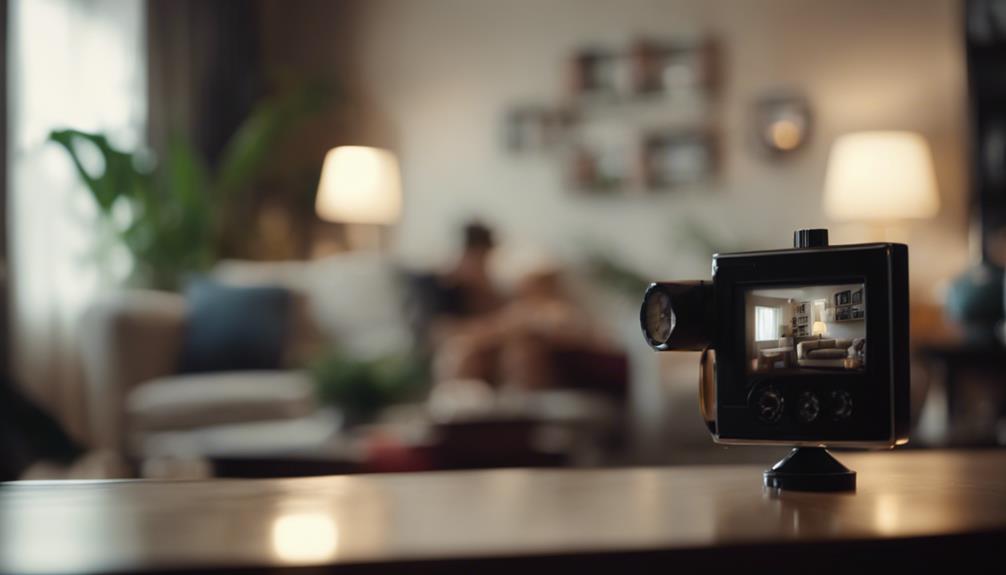

Spy TV cameras are compact surveillance devices designed to monitor an area without drawing attention to the camera itself. Modern models can be much smaller and more capable than earlier equipment, with features such as motion detection, wireless transmission, night vision, and higher-resolution recording. Their discreet design can be useful for security, but it also creates serious privacy and legal responsibilities.
How Spy TV Cameras Have Evolved
Early surveillance cameras were often large, noticeable, and difficult to install. Improvements in miniaturisation allowed cameras to fit into smaller housings and blend more easily with their surroundings. Advances in image capture also improved the clarity of recorded video.
Wireless connectivity changed how footage could be viewed and stored. Instead of relying entirely on a direct cable connection, some cameras can send video to a receiver or another approved viewing device. Other models record footage internally or use a connected storage service. Motion detection, infrared night vision, and improved image resolution have further expanded the situations in which these cameras may be used.
Important Components and Features
Understanding the main features makes it easier to choose equipment that matches a legitimate security need:
- Camera resolution: Higher resolution can produce more detailed footage, although image quality also depends on lighting, lens quality, and camera placement.
- Motion detection: The camera can begin recording or send an alert when movement is detected, helping reduce unnecessary footage.
- Night vision: Infrared capability can support image capture in low-light conditions. Results depend on the surrounding environment and the camera’s design.
- Power source: Cameras may use a mains connection, rechargeable battery, or replaceable batteries. The power arrangement affects where the camera can be installed and how often it needs attention.
- Storage: Footage may be saved to onboard storage, a removable device, or a connected storage service. Check capacity and retention settings before relying on the camera.
- Connectivity: Wired and wireless models have different installation requirements. Wireless equipment still needs a dependable connection and suitable power source.
Common Types of Spy TV Cameras
Spy TV cameras are available in several formats, each suited to different installation conditions. Hidden cameras are designed to blend into an everyday setting, while mini cameras offer a small footprint for locations where a larger housing would be impractical. Some products are integrated into ordinary-looking objects, but their use requires particular care because people may not realise they are being recorded.
Wireless cameras can transmit footage for remote viewing, which may simplify installation where running cables is difficult. Night-vision cameras are intended for dim environments, while motion-activated models focus on recording only when activity occurs. The best choice depends on the area being monitored, available lighting, power access, storage needs, and the purpose of the surveillance.
Legitimate Uses and Privacy Responsibilities
Discreet monitoring can help protect property, document activity in a controlled environment, or support an agreed security arrangement. However, the fact that a camera is small does not remove the privacy rights of the people who may appear in its footage.
Before installing any camera, check the laws and regulations that apply in your location. Requirements can differ depending on whether the camera records video, captures sound, monitors a workplace, or observes a shared or private area. Where notice or consent is required, provide it clearly. Avoid placing cameras in highly private spaces such as bathrooms, changing areas, or bedrooms, and do not use surveillance to harass, intimidate, or secretly obtain sensitive information.
Good practice includes limiting the camera’s view to the area that genuinely needs protection, restricting access to recordings, and keeping footage only for as long as there is a reasonable purpose. Transparency and accountability are especially important when other people may be recorded.
Installation and Maintenance Tips
Position the camera so it has a clear view of the relevant entrance or area, while avoiding unnecessary coverage of neighbouring property or private spaces. Check lighting at different times of day, since glare, shadows, and darkness can reduce the usefulness of footage. Mount or place the device securely, but do not conceal it in a way that violates local requirements or creates a safety hazard.
Test the live view and recording function after installation. Review the camera’s date and time settings, confirm that storage is available, and check that alerts work as expected. Inspect the lens periodically for dust or obstruction, examine cables and power connections, and replace or recharge batteries when necessary. A routine test can reveal connection, focus, or storage problems before footage is needed.
Making a Responsible Choice
A spy TV camera should be selected for a clearly defined and lawful security purpose rather than simply because it is easy to hide. Consider whether a visible camera, better lighting, a lock, or another security measure could solve the problem with less impact on privacy. When discreet monitoring is appropriate, careful positioning, limited access, regular maintenance, and respect for applicable rules will help ensure that the technology is used responsibly.