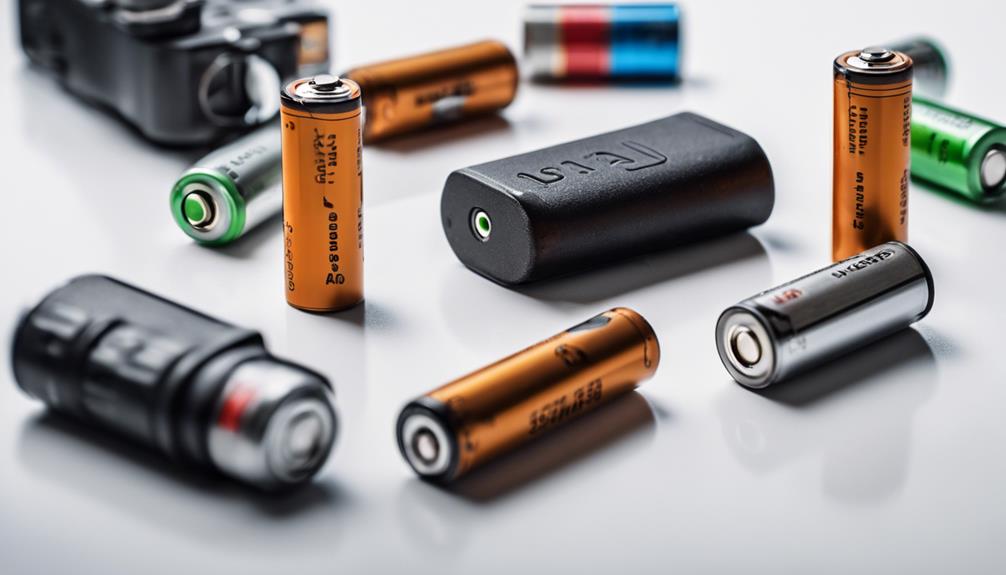

The right battery can make a significant difference to a spy camera’s operating time, reliability, and maintenance requirements. Battery choice should be based on the camera’s specifications, required voltage, available space, expected runtime, and whether you prefer disposable or rechargeable power.
Before buying batteries, check the camera manual or the markings inside the battery compartment. Using the wrong size, voltage, or chemistry can cause poor performance or damage. The main options include alkaline, lithium, rechargeable NiMH, button cell, CR2, CR123A, AA, AAA, and 9V batteries.
Alkaline Batteries
Alkaline batteries are widely available and are often a practical choice for compatible spy cameras. They provide dependable power and can last from several weeks to months, depending on the camera, recording activity, and battery size.
The main drawback is that alkaline batteries are single-use. They cost less initially than many rechargeable alternatives, but frequent replacement can become expensive and creates more waste. They are best suited to occasional use, backup power, or situations where charging is inconvenient.
Lithium Batteries
Lithium batteries offer high energy density in a relatively light package. They generally provide longer operating time than alkaline batteries and maintain a more consistent power output as they discharge. Their low self-discharge rate also makes them useful when a camera is stored between uses.
Lithium batteries typically cost more upfront and must be handled and disposed of according to local battery-safety guidance. Make sure you distinguish between disposable lithium batteries and rechargeable lithium-ion batteries, since they are not interchangeable unless the camera specifically supports them.
Rechargeable NiMH Batteries
Rechargeable nickel-metal hydride, or NiMH, batteries can be a cost-effective option for cameras used regularly. They can be recharged repeatedly, reducing the need to purchase disposable batteries and helping limit waste. NiMH batteries are particularly useful in devices with relatively high power demands.
Their capacity gradually decreases over repeated charging cycles, and they may lose charge while stored. A rechargeable setup also requires a compatible charger and spare batteries if the camera must remain operational while another set is charging. NiMH batteries are commonly available in AA and AAA sizes.
Button Cell Batteries
Button cells are small, round batteries designed for compact devices with modest power requirements. They can be suitable for miniature cameras that have been specifically designed for this format, but their limited physical size also limits the amount of energy they can store.
Store button cells in a cool, dry place and remove them from a camera that will not be used for an extended period. This helps reduce the risk of leakage and device damage. Because button cells come in many sizes and voltages, replace them only with the exact type specified by the manufacturer.
CR2 and CR123A Lithium Batteries
CR2 and CR123A batteries are compact disposable lithium batteries commonly used in small electronic devices. A CR2 battery provides a nominal 3-volt output and is valued for its small size and stable power delivery. Depending on usage and storage conditions, its service life can range from months to much longer when the device is used intermittently.
CR123A batteries are also known for high energy density, consistent output, and useful performance in extended-use applications. They may suit cameras that need more power than a button cell can provide while still requiring a relatively compact battery compartment. Compatibility is essential, so do not substitute one format for another simply because both are lithium batteries.
AA and AAA Batteries
AA batteries are a versatile option because they are easy to find and available in alkaline, lithium, and rechargeable NiMH versions. Alkaline AAs may last roughly two to six months in some cameras, while lithium AAs can last considerably longer; actual runtime depends on the camera and how often it records.
AAA batteries are smaller and lighter than AA batteries, making them useful where space is limited. Their lower capacity usually means more frequent replacement, particularly in a camera running continuously. High-quality batteries and regular battery checks can help reduce unexpected shutdowns.
9V Batteries
9V batteries provide a higher-voltage power source in a compact form. They can be suitable for cameras designed specifically for 9V input and can offer stable power for extended operation. Most standard 9V batteries are disposable, so they must be replaced when depleted.
Never connect a 9V battery to a camera that requires a different voltage. Confirm the required battery type and polarity before installation.
How to Choose
- Check compatibility: Match the battery size, voltage, and chemistry to the camera manual.
- Consider runtime: Lithium batteries generally offer longer life, while AAA and button cells may need more frequent replacement.
- Factor in usage: Rechargeable NiMH batteries are practical for cameras used often.
- Plan for storage: Remove batteries during long periods of non-use and keep spares in suitable conditions.
- Replace batteries safely: Do not mix old and new batteries or different chemistries, and recycle or dispose of depleted batteries through appropriate local channels.
For occasional use, alkaline batteries are convenient and widely available. For longer runtime, disposable lithium batteries may be preferable. For repeated operation, rechargeable NiMH batteries can reduce long-term costs. In every case, the camera’s specified battery type should take priority over general runtime claims.