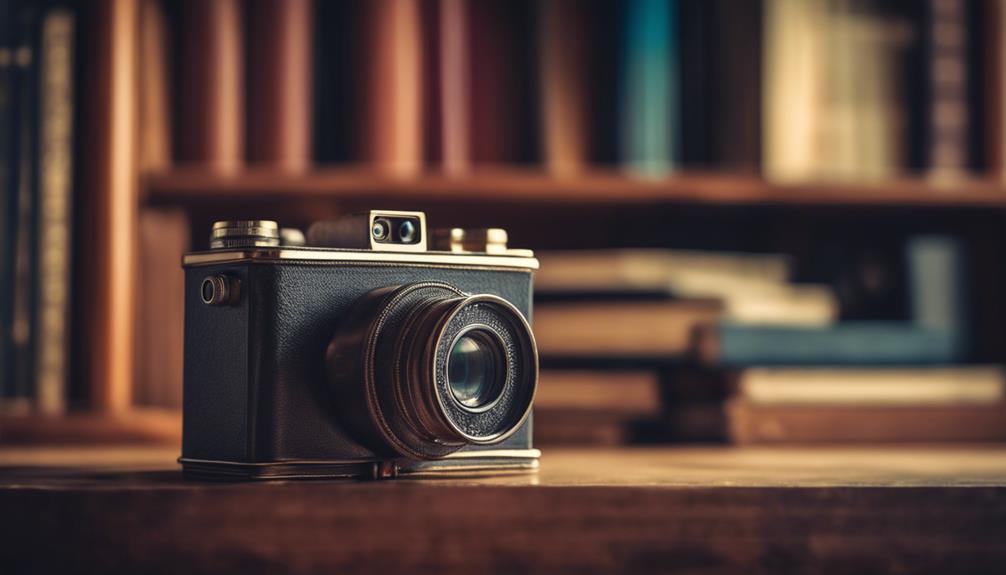

Spy camera books combine the tension of espionage with the unsettling question of who is watching whom. Some focus on secret equipment and surveillance operations, while others use cameras as symbols of mistrust, political power, and the loss of privacy. The strongest stories are not only about gadgets; they also explore the human cost of secrecy and the difficult choices made in the name of security.
If you enjoy intelligence thrillers, undercover fiction, or stories about surveillance, these ten themes offer a useful guide to the kinds of spy camera books worth seeking out.
1. Cold War espionage
Cold War stories provide a natural setting for spy camera fiction. Rival intelligence services, divided loyalties, coded messages, and secret meetings create an atmosphere in which even an ordinary photograph can become valuable evidence. These narratives often emphasize patience and tradecraft rather than open confrontation.
2. Hidden surveillance
At the centre of many spy camera plots is the fear of being watched without consent. A concealed camera may record a meeting, expose a secret, or place an innocent person under suspicion. This premise creates suspense because characters cannot be sure which rooms, objects, or conversations are safe.
3. Undercover operations
Undercover stories follow agents who must protect an assumed identity while gathering information. Cameras can help document meetings or monitor a target, but they can also threaten an operative’s cover. The tension comes from small mistakes, close calls, and the constant need to decide whom to trust.
4. Double agents and betrayal
Spy fiction becomes especially compelling when loyalties are uncertain. A double agent may work inside an enemy organisation, pass information to competing handlers, or conceal a personal motive. In these stories, surveillance footage can reveal a betrayal—or be manipulated to make someone look guilty.
5. Covert missions
Covert-operation thrillers place characters in high-risk situations where planning must be matched by improvisation. A hidden camera may be used to confirm a target’s identity, document a secret exchange, or expose activity that powerful people want concealed. The suspense builds as a carefully designed mission begins to go wrong.
6. Technology-driven thrillers
Techno-thrillers examine how surveillance tools change the balance between individuals and institutions. Miniature cameras, remote monitoring, hacking, and connected devices can make intelligence gathering faster and harder to detect. These stories often ask whether technology creates safety or simply expands the ability to control and observe others.
7. Spy gadgets and practical ingenuity
Readers who enjoy the equipment side of espionage will find plenty to explore in gadget-focused fiction. Concealed cameras disguised as everyday objects, recording devices, coded communications, and improvised tools can all drive the plot. The most effective gadget stories use technology to increase pressure rather than solve every problem instantly.
8. Surveillance and privacy
Some spy camera books move beyond action to consider the ethics of surveillance. They raise questions about consent, accountability, and the limits of government or private monitoring. A story may present surveillance as necessary for security while showing how easily that justification can be abused.
9. Secret missions and political power
Camera-based intelligence can influence far more than a single operation. Evidence gathered in secret may affect diplomatic negotiations, expose corruption, or give one side leverage over another. These plots work well when personal danger is connected to a larger struggle involving governments, agencies, or competing political interests.
10. The surveillance-state thriller
In surveillance-state stories, monitoring is not limited to one room or one mission. Cameras and intelligence systems become part of everyday life, leaving characters unsure whether privacy is still possible. The resulting suspense comes from the conflict between state control and individual freedom, as well as the question of how much people will tolerate in exchange for security.
What makes a spy camera book memorable?
A strong entry in this genre usually combines technical detail with believable human stakes. The camera should matter to the story, but it should not replace character development or moral conflict. Look for books that make surveillance feel consequential: a recording changes a relationship, a mission creates an ethical dilemma, or a piece of evidence forces a character to question the truth.
Whether your preference is Cold War intrigue, undercover suspense, gadget-heavy action, or darker stories about privacy, spy camera books offer a flexible route into espionage fiction. Their central appeal is the same: the knowledge that a hidden lens can turn an ordinary moment into evidence, danger, or a carefully concealed secret.