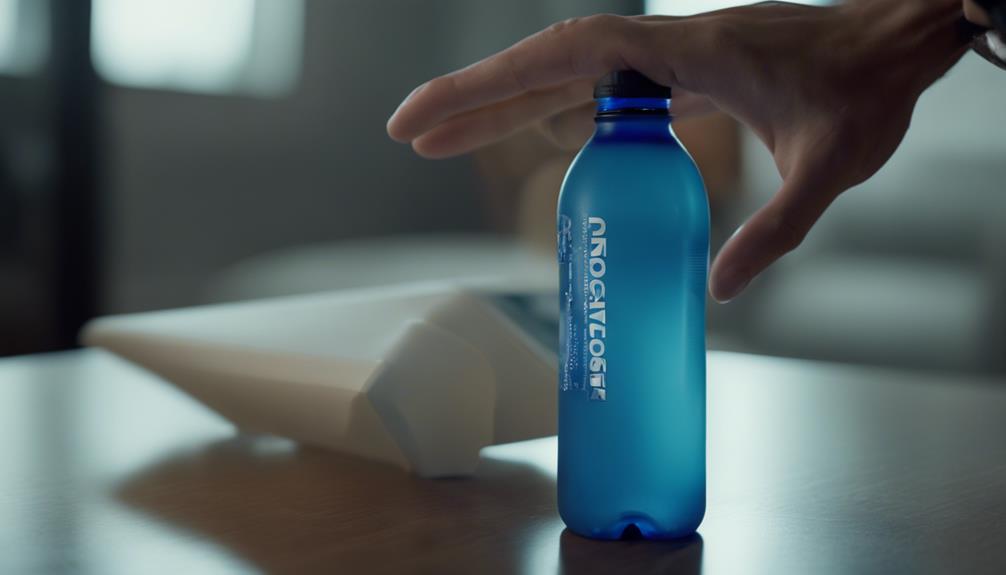

A water bottle camera combines an ordinary bottle design with a small recording device. Because it can be mistaken for a regular bottle, responsible use matters as much as setup. Only use one where recording is lawful, appropriate, and permitted by the people being recorded. Do not place it in private spaces or use it to monitor anyone without their knowledge or consent.
Choose a Suitable Camera
Before using the device, compare its basic specifications with your intended, authorized use. The most useful factors include:
- Video resolution: A model offering 1080p recording may provide clearer footage than a lower-resolution device.
- Storage: Check whether the camera accepts a microSD card and confirm the supported capacity. More storage can reduce the need to transfer files during a recording session.
- Battery life: Select a battery capacity that matches the length of time you expect to record.
- Controls and file access: Make sure the recording button, charging connection, and method for transferring files are practical for you to use.
Read the product documentation before buying or operating the camera. Features and controls vary between models, so instructions for one water bottle camera may not apply to another.
Prepare the Device
Charge the camera fully before use, then insert a compatible microSD card if the model requires one. If the card has been used previously, back up important files before formatting it according to the manufacturer’s instructions.
Perform a short test recording in an appropriate setting. Check that the camera starts and stops correctly, that the image is not blocked by the bottle or its housing, and that the sound and video are saved as expected. Testing first can reveal storage, battery, or file-format problems before an important recording.
Position It for an Authorized Recording
Place the bottle where it has a stable, unobstructed view of the area you are permitted to record. Keep the lens clear and avoid positioning the device where it could be knocked over, exposed to moisture, or mistaken for a normal bottle in a way that creates a safety risk.
Do not use concealment to defeat someone’s reasonable expectation of privacy. In shared workplaces, events, classrooms, homes, or other occupied spaces, follow the applicable rules and obtain clear permission where required. If people may appear in the footage, let them know how and why recording will take place.
Start and Stop Recording
Use the camera’s documented controls to begin recording or capture a still image. Many compact cameras use a physical button or a short button sequence, but the exact procedure depends on the model. Confirm that recording has started using the device’s indicator or other permitted status signal rather than assuming it is active.
Monitor the battery and available storage during longer sessions. Stop recording when it is no longer needed, and recharge the device before the next use. Avoid opening the camera or changing settings while it is recording unless the manual specifically allows it.
Transfer and Review the Files
After recording, connect the camera to a computer with the supplied USB cable or remove the memory card if the device supports that method. Copy the files to a secure location before reviewing them. Keep the original files unchanged if you may need to document when or how they were recorded.
Use ordinary playback controls to pause, rewind, or adjust the viewing speed while reviewing footage. Organize files with clear dates or session names, and delete recordings that are no longer needed. Protect stored footage with access controls and avoid sending it to people who do not have permission to view it.
Respect Privacy and Local Rules
Camera and audio-recording laws can differ by location, and audio may be subject to stricter requirements than video. Before recording, check the rules that apply to your situation and obtain consent when necessary. Never share, publish, or use footage to identify or embarrass someone without a lawful and legitimate reason.
Used openly and with permission, a water bottle camera can serve as a compact recording tool. Careful testing, adequate battery and storage, secure file handling, and respect for privacy will help you operate it safely and responsibly.