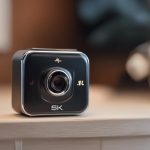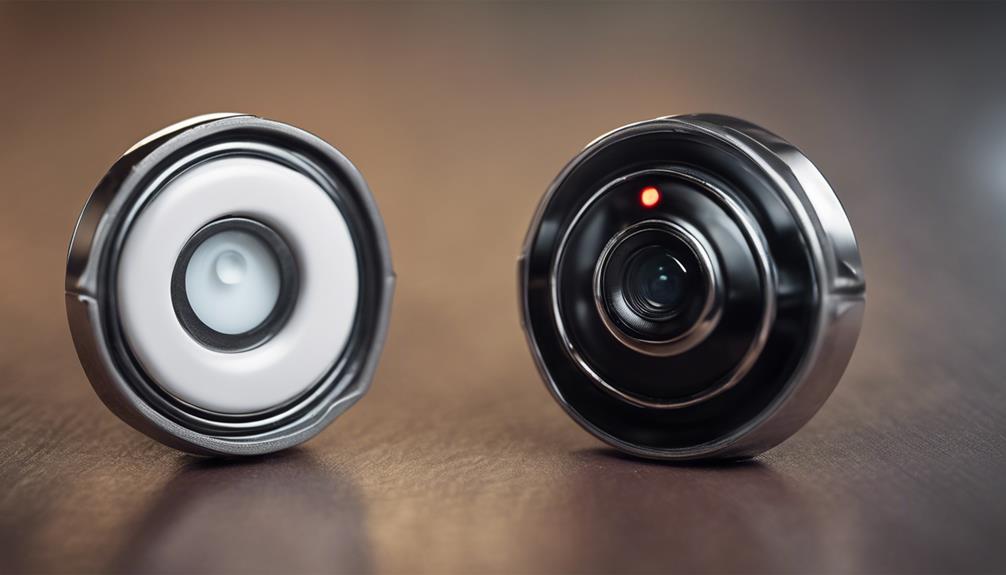

Button-style cameras are designed to fit into clothing while keeping the device small and easy to carry. If you are considering one for a lawful, disclosed recording purpose—such as documenting an interview, creating personal video notes, or recording an event—the most important considerations are the camera’s physical design, image quality, and connectivity.
Instead of focusing only on appearance, assess how each feature affects comfort, recording reliability, privacy, and the way you plan to manage your footage.
1. Slim, Practical Button Design
A compact profile is the defining feature of a button-style camera. A well-designed unit should sit neatly against clothing without adding unnecessary bulk or becoming uncomfortable during extended use. The finish and shape should also suit the garment rather than drawing attention to the device.
When comparing designs, consider:
- Size and weight: A lighter camera is generally easier to wear for longer periods.
- Attachment method: Check whether it is intended to replace a button, clip to clothing, or be positioned beside an existing button.
- Lens placement: The lens should have a clear view without being blocked by fabric or accessories.
- Controls: Buttons and indicators should be easy for the authorized user to understand without complicated setup.
- Comfort: Make sure the device does not pull on delicate fabric or create a noticeable pressure point.
A discreet appearance should not be confused with permission to record people without their knowledge. Use any wearable camera only where recording is lawful and appropriate, and inform participants whenever consent or disclosure is required.
2. Clear Video and Reliable Recording
Image quality determines whether recorded footage is actually useful. Look for a camera that produces clear video in the lighting conditions where it will be used. Resolution is one factor, but lens quality, exposure, stability, and the camera’s field of view also affect the final result.
For a more practical comparison, review:
- Video clarity: Details should remain understandable at normal viewing size.
- Low-light performance: If recording may take place indoors or in dim conditions, check how the camera handles limited light.
- Audio options: Some devices record sound, while others focus on video alone. Audio recording may be subject to additional consent and privacy rules.
- Motion detection: This can start recording when movement is detected, but it may also capture unwanted footage or miss activity outside the detection area.
- Storage and battery life: Confirm how footage is stored and whether the battery can support the intended recording period.
Before an important recording, test the camera in a similar setting. Check framing, sound, lighting, battery level, and available storage rather than assuming the smallest design will deliver the best results.
3. Wireless Connectivity and File Access
Wireless features can make it easier to transfer or review recordings, but they also introduce setup and security considerations. Depending on the design, connectivity may support file transfer, live viewing, remote controls, or access through a phone or computer.
When evaluating wireless options, ask:
- Does the camera connect through Wi-Fi, Bluetooth, or another method?
- Is a separate app or account required?
- Can recordings be saved locally if the wireless connection fails?
- Are files protected by a password or other access controls?
- Does remote access expose recordings to unnecessary online storage or third parties?
Live viewing can be useful for authorized monitoring, while local storage may be preferable when privacy and control over the files are the priority. Change default passwords, use secure networks, and remove recordings that are no longer needed.
Choosing the Right Button Camera Design
The strongest button-camera design balances three elements: a comfortable form factor, dependable video performance, and connectivity that matches the intended workflow. A slim body is valuable only if the lens remains unobstructed. High-resolution video is useful only when battery and storage are sufficient. Wireless access is convenient only when it can be secured properly.
For any recording project, check local laws and workplace or venue policies first. Obtain consent where required, avoid private spaces and sensitive situations, and handle recorded material responsibly. These precautions are as important as the camera’s physical features.