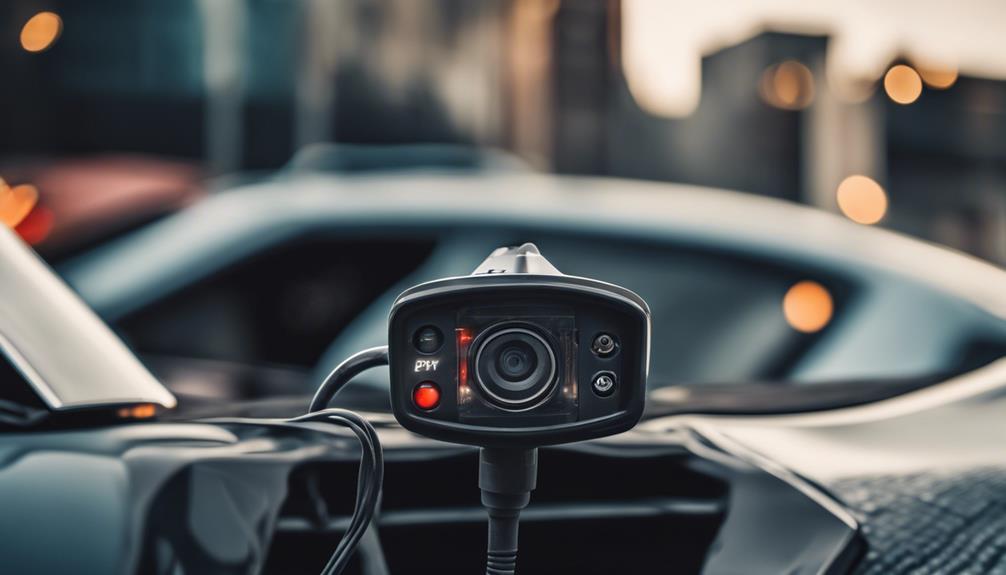

A spy camera car charger combines two everyday functions: powering a device from a vehicle’s 12-volt outlet and recording video from inside the cabin. Because these products can vary considerably in image quality, storage, controls, and installation, it is worth comparing their practical features before choosing one.
The best option depends on your intended use. Some drivers want a discreet way to document activity around a parked vehicle, while others need a simple interior recording device. In either case, the camera should be reliable, easy to operate, and appropriate for use under local privacy and recording laws.
1. Video quality and low-light performance
Recording resolution is one of the first specifications to check. A higher-resolution camera can produce more detailed footage, which may make it easier to identify important visual information. However, resolution alone does not guarantee useful recordings. Lens quality, sensor performance, viewing angle, and lighting conditions also affect the final result.
For a vehicle-mounted camera, low-light performance is especially important. The interior of a car can become difficult to record clearly at night or in shaded parking areas. Look for a model that explains how it handles dim conditions rather than relying only on broad claims about high-definition video.
- Check the stated video resolution and frame rate.
- Consider whether the viewing angle covers the area you need to monitor.
- Look for sample footage when it is available.
- Make sure the lens position is not blocked by the charger housing or cables.
2. Motion detection and recording modes
Motion detection can help reduce unnecessary recording. When enabled, the camera may begin recording when movement is detected, instead of capturing hours of empty footage. This can conserve storage and make important clips easier to find.
Loop recording is another useful feature. When the storage card becomes full, loop recording typically replaces older clips with newer ones. This supports continued operation without requiring the user to delete files manually. Before relying on this feature, check whether important recordings can be locked or copied so they are not overwritten.
Some devices also offer continuous recording while the vehicle is powered. That can be useful for longer monitoring sessions, but it may place additional demands on the vehicle’s power system. Read the operating instructions carefully, particularly if the charger is intended to remain connected while the engine is off.
3. Storage, power, and reliability
A camera is only useful if it saves footage consistently. Review the supported memory-card type and maximum capacity before purchasing. Storage needs depend on video resolution, recording length, and whether the device records continuously or only when motion is detected.
Power behavior is equally important. The charger should provide a dependable connection to the vehicle outlet while the camera remains stable during normal driving. Examine the cable length, connector placement, and whether the design leaves the second charging port usable. A loose connection or poorly positioned cable can interrupt recording and create a distraction.
Because temperatures inside parked vehicles can change significantly, consult the manufacturer’s operating guidance before leaving the device in place for extended periods. Avoid blocking airbags, visibility, controls, or other safety equipment during installation.
4. Discreet design and straightforward installation
The main appeal of a charger-style camera is that it can resemble an ordinary vehicle accessory. A compact design may be less distracting and easier to position than a separate camera with a large mounting bracket. Even so, discreet placement should never compromise safe driving or concealment requirements imposed by local law.
Choose a unit with clear setup instructions and a simple interface. Installation should normally involve connecting the charger, inserting compatible storage, adjusting the camera angle, and selecting the desired recording mode. Before finalizing the position, test the field of view from the driver’s seat and confirm that the footage is correctly oriented.
5. Alerts, remote access, and privacy controls
Some spy camera car chargers may include features such as motion alerts, remote viewing, or wireless access. These functions can make it easier to check footage without removing the device, but they also introduce additional setup and security considerations. Wireless features may require an application, account, or network connection, so verify what is needed before buying.
Remote access should be protected with strong, unique account credentials. Disable features you do not need, keep the device’s software configured according to its instructions, and avoid sharing recordings unnecessarily. Audio recording and filming people without their knowledge may be restricted in some places. Obtain consent where required and use the camera for legitimate safety, security, or documentation purposes.
Final buying checklist
Before choosing a spy camera car charger, compare its video quality, night performance, storage support, motion detection, loop recording, power requirements, installation method, and privacy controls. A product with many advanced features is not automatically the best choice. Reliable recording, safe placement, and simple operation are usually more valuable than a long list of specifications.
Once installed, test the charger in daylight and low-light conditions, review several saved clips, and confirm that motion-triggered recording and storage management work as expected. This small amount of preparation can help ensure the device records useful footage when you actually need it.