
Choosing a Spy Camera Clock for Home Monitoring
A spy camera clock combines an everyday timepiece with a concealed camera, making it less visually intrusive than conventional security equipment. For some homeowners, this format may suit a room where a standard camera would be distracting or impractical. However, the clock’s appearance should not be the only consideration. Image quality, recording controls, connectivity, and privacy protections all affect whether the device is genuinely useful.
The five areas below provide a practical way to compare spy camera clocks before choosing one for lawful home security use.
1. Design That Fits the Room
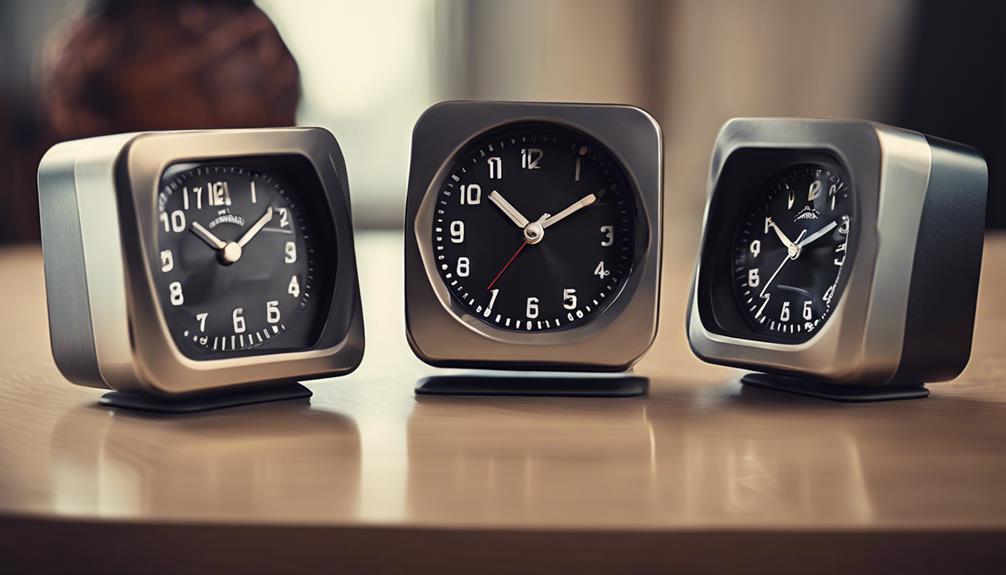
The most useful clock is one that looks natural in its intended location. A simple modern case may blend into a contemporary room, while a classic analog face can suit more traditional decor. The camera opening should be positioned discreetly within the design without being blocked by nearby objects.
Consider the clock’s size, power requirements, and placement before buying. A device that needs a visible cable or must be positioned at an unusual angle may be less practical than its appearance suggests. The clock should also remain easy to read and accessible for setup, maintenance, or removal.
2. Clear Video in Different Lighting
Video quality is central to any surveillance device. Higher-resolution recording can preserve more detail, but resolution alone does not guarantee useful footage. Look for information about the camera’s viewing angle, focus, low-light performance, and storage method.
Night vision can help when a room is dim, although performance varies between devices. If the clock will monitor an entryway or living area, check whether its field of view covers the important part of the room without excessive distortion. A wide view may cover more space, while a narrower view can provide greater detail in a specific area.
3. Motion Detection and Recording Controls
Motion detection can make recorded footage easier to review by starting or marking recordings when movement occurs. This may reduce the amount of empty video stored and help draw attention to activity in the camera’s range.
Before relying on this feature, check whether the sensitivity can be adjusted. A setting that is too high may react to shadows, changing light, or routine movement. A setting that is too low may miss relevant activity. Pets, curtains, heating systems, and busy areas can all affect performance, so testing the clock in its intended position is important.
4. Wireless Access and Remote Monitoring
Some spy camera clocks support wireless connectivity, allowing an owner to view a live feed or access recordings from a compatible smartphone. Remote access can be convenient when checking a property while away, but it also introduces additional security considerations.
Choose a device with strong account protection and secure communications where those features are documented. Change default login details, use a strong unique password, and keep any companion application updated. Disable remote access if it is not needed. A camera connected to the internet should be treated like any other networked device: convenience should not come at the expense of account and privacy security.
5. Storage, Audio, and Power
Recording capacity determines how much footage the clock can retain. Review whether it uses internal storage, a removable memory card, or a connected application, and check how recordings are exported or deleted. A recording device is more useful when its files can be retrieved without an unnecessarily complicated process.
Some models also include audio recording. Audio can provide additional context, but recording conversations or private activities may be subject to stricter legal requirements than recording video. Check the laws that apply in your location and obtain consent where required. When in doubt, disable audio recording.
Power is another practical issue. A clock that operates only while plugged in may be suitable for a fixed location, while battery operation may provide more placement flexibility but require regular charging. Confirm how the device behaves after a power interruption and whether it resumes recording automatically.
Use Discreet Cameras Responsibly
A concealed camera should be used only for legitimate, clearly defined security purposes. Do not place one in bedrooms, bathrooms, changing areas, or other locations where people reasonably expect privacy. If guests, workers, tenants, or other household members may be recorded, provide notice or obtain consent when required by applicable law.
Before installation, identify what you need to monitor, limit the camera’s view to that area, secure the recordings, and set a retention period so unnecessary footage is not kept indefinitely. A spy camera clock can complement ordinary locks, lighting, alarms, and visible security cameras, but it should not be treated as a complete home-security system.
Final Considerations
The best spy camera clock is not simply the one with the most advertised features. Compare its design, video performance, motion controls, remote-access security, storage, and power arrangements against the room and monitoring purpose. Responsible placement and strong privacy practices are just as important as the hardware itself.