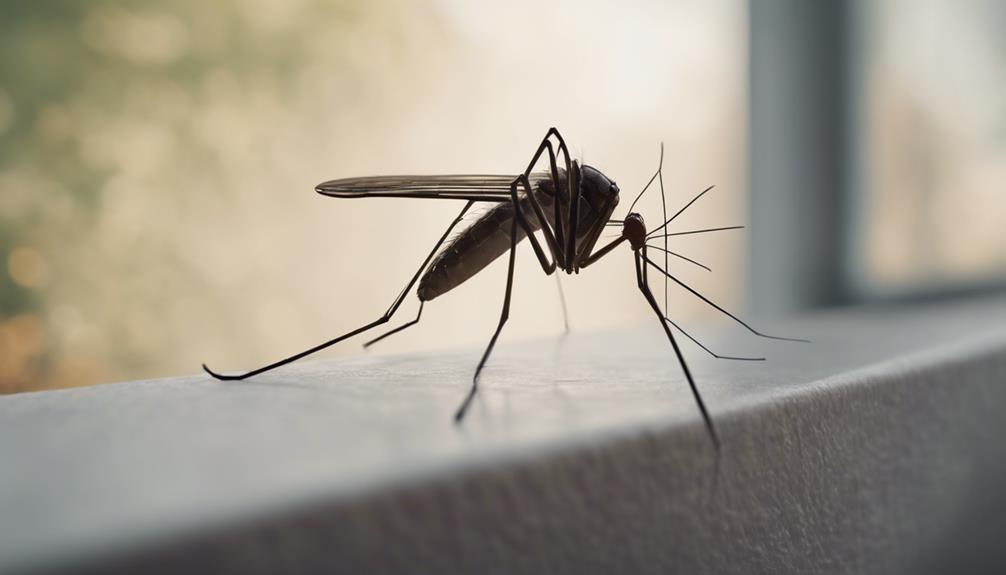

Spy mosquito cameras belong to a popular category of fictional, conceptual, and highly miniature surveillance devices designed to resemble insects. The idea is simple: a camera or recorder hidden inside a mosquito, fly, or other bug could observe an environment without attracting attention.
The source material describes seven versions of this concept, ranging from a tiny mosquito camera to an insect-shaped drone. However, it does not identify manufacturers, product specifications, prices, testing, or verified real-world availability. The descriptions are therefore best understood as an overview of insect-inspired surveillance concepts rather than a buying guide.
Seven insect-inspired camera concepts
1. Mini Mosquito Cam
The Mini Mosquito Cam is presented as a very small recording device concealed within a mosquito-like design. Its intended appeal is discretion: the device could theoretically blend into an environment while recording audio or video.
Because the supplied information gives no confirmed dimensions, battery details, recording range, or manufacturer, claims about its performance should be treated cautiously. A device this small would also raise practical questions about power, storage, image quality, and reliable operation.
2. Insect Drone Spy
The Insect Drone Spy combines the idea of a miniature drone with the appearance and movement of an insect. The concept suggests a device capable of navigating tight spaces while using a camera or microphone to observe its surroundings.
Its proposed advantage is maneuverability rather than simply concealment. In theory, an insect-like drone could reach areas that are difficult to monitor with conventional equipment. In practice, flight control, noise, stability, communication, and battery life would all be important limitations to assess.
3. Camouflaged Bug Camera
A Camouflaged Bug Camera is described as a hidden camera built into a realistic insect-shaped casing. Unlike a flying drone, this type of device could be positioned indoors or outdoors and left in place as a stationary observation tool.
The main feature is visual camouflage. A realistic appearance may help a device blend into natural surroundings, but concealment does not make recording lawful or appropriate. Anyone considering a camera of this kind should obtain permission before monitoring private spaces or identifiable people.
4. Tiny Surveillance Fly
The Tiny Surveillance Fly represents the same idea in a different form: a miniature camera designed to look and behave like a fly. The original description emphasizes small size, discreet operation, and the ability to capture images or video.
There are no verified technical specifications in the supplied material, so terms such as “high resolution,” “microscopic,” or “virtually undetectable” should not be treated as established product claims.
5. Stealthy Mozzie Cam
The Stealthy Mozzie Cam is portrayed as a mosquito-shaped device intended for covert observation. Its suggested features include a compact design, camera recording, and the ability to operate in spaces where a larger surveillance device would be obvious.
As with the other concepts, the description focuses on stealth but does not establish whether the device is commercially available or independently tested. Any real product should be evaluated using ordinary criteria such as image quality, data security, battery performance, and legal compliance.
6. Covert Insect Recorder
The Covert Insect Recorder broadens the concept beyond a mosquito-shaped camera. It is described as a miniature device that could capture audio and video while resembling a real insect.
Audio recording deserves particular caution. Privacy rules may treat sound recording differently from video, and recording a conversation without the required consent can be unlawful. Responsible use requires checking the rules that apply in the relevant location and situation.
7. Secret Spy Mosquito Device
The Secret Spy Mosquito Device is the broadest and most advanced concept in the list. The description imagines a small insect-like unit equipped with a camera, microphone, and communication system for sending information remotely.
No evidence is provided to confirm the claimed capabilities, including live transmission or autonomous operation. These features should therefore be regarded as part of the surveillance concept rather than verified specifications.
Privacy and security concerns
Insect-shaped surveillance devices raise serious privacy questions because their purpose is to avoid detection. Hidden recording can violate consent, workplace rules, property rights, and data-protection laws. Even security or investigative use may require authorization, clear notice, secure storage, and limits on who can access the recordings.
For legitimate security needs, visible cameras, door sensors, alarms, and other clearly disclosed monitoring tools are usually easier to manage responsibly. If an insect-inspired camera is being considered for a lawful project, confirm that it is genuine, secure, and permitted before using it.
Final perspective
The seven names above describe different versions of the spy mosquito camera idea: stationary bug cameras, flying insect drones, miniature recorders, and devices imagined to transmit data remotely. Their common theme is extreme miniaturization and camouflage. The supplied descriptions do not establish that these are verified products, so they should be approached as conceptual examples rather than dependable equipment recommendations.