
A car camera does not need Wi‑Fi to provide useful security footage. Models that record locally can capture driving incidents, suspicious activity, attempted break-ins, or unauthorized use without relying on an internet connection. The best choice depends on where you want the camera positioned, how discreet it should be, and which recording features matter most.
Below are three practical camera styles to consider: a compact dash cam, a rearview mirror camera, and a hidden mini car camera.
What to look for in a car camera without Wi‑Fi
Without Wi‑Fi, footage is generally managed directly on the camera or its removable storage rather than through a wireless app. Before choosing a model, consider the following features:
- Loop recording: Automatically replaces older video files when storage becomes full, allowing recording to continue.
- Motion detection: Starts recording when movement is detected near the vehicle, where supported.
- Night vision: Helps the camera record in low-light conditions.
- GPS: May record the vehicle’s location and speed, depending on the camera’s design.
- Viewing angle: A wider field of view can cover more of the road or vehicle interior.
- Power arrangement: Check how the camera is powered, especially if you want monitoring while the car is parked.
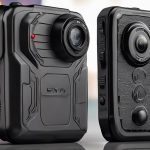
1. Compact dash cam
A compact dash cam is a straightforward option for recording the road ahead while keeping the equipment relatively unobtrusive. Its small size can make it easier to position without creating unnecessary distractions for the driver.
Loop recording is especially useful in a dash cam because it keeps the camera recording without requiring you to clear files after every journey. Motion detection can also be helpful when the vehicle is stationary, provided the camera has a suitable power source for that use.
Some compact dash cams include GPS functionality, which can add location and speed information to recorded footage. Night vision is another feature worth considering if you regularly drive or park in poorly lit areas. When comparing models, pay attention to the camera’s mounting position and ensure it does not obstruct your view through the windshield.
Best suited to
- Drivers who mainly want forward-facing road footage
- Those seeking a small, simple installation
- Recording accidents, traffic events, and journeys without Wi‑Fi
2. Rearview mirror camera
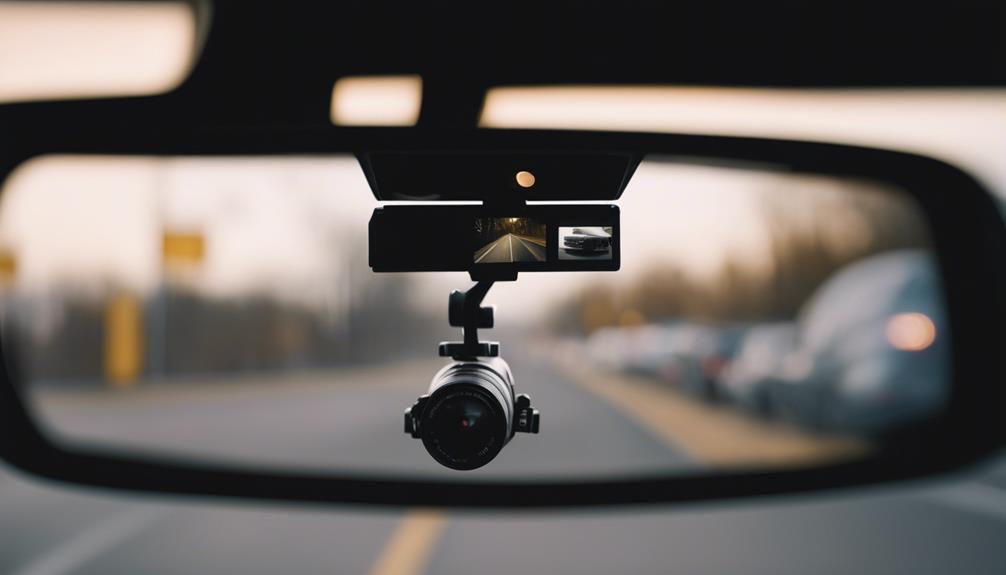
A rearview mirror camera combines a mirror-style unit with recording equipment. This design can be useful if you want a less conspicuous installation while adding more coverage than a basic forward-facing camera may provide.
Depending on the model, a rearview mirror camera may record the road ahead, the vehicle interior, or more than one direction. Common features to compare include loop recording, motion detection, impact detection through a G-sensor, and night vision. These functions can help preserve footage after a collision or capture activity around the car in low-light conditions.
Installation requires careful adjustment. The unit should be firmly secured, connected to its power source correctly, and positioned so the mirror and camera do not interfere with the driver’s visibility. Adjusting the viewing angle after installation is important because a poorly aligned camera may miss the area you intended to monitor.
Best suited to
- Drivers who want a broader or multi-directional view
- People who prefer a mirror-integrated design
- Monitoring the road and, where supported, the vehicle interior
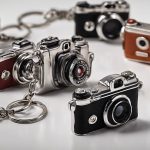
3. Hidden mini car camera
A hidden mini car camera is designed for discreet placement. Its compact form can make it suitable for monitoring a particular area of the vehicle without drawing attention to the recording device.
Many cameras in this category focus on motion-triggered recording, which can help conserve storage by recording when activity is detected. Some also offer GPS tracking, allowing footage to be associated with the vehicle’s location and speed. These features may be useful when investigating unauthorized use or trying to document activity around a parked car.
Because this style is intended to be unobtrusive, placement is especially important. The camera should have a clear view of the area you want to record, remain securely mounted, and avoid interfering with vehicle controls or visibility. Also check how video files are accessed, since a camera without Wi‑Fi may require removing its storage or connecting it directly to another device.
Best suited to
- Discreet monitoring of a vehicle’s interior or surroundings
- Users who want motion-triggered recording
- Situations where a conventional dash cam would be too noticeable
Choosing the right option
Choose a compact dash cam if your priority is simple forward-facing recording. A rearview mirror camera is a better fit when you want a built-in appearance and potentially wider coverage. Select a hidden mini car camera when discreet placement and motion-triggered monitoring are most important.
Before recording people or activity inside or around a vehicle, check the privacy and recording laws that apply to your location. Once placement, power, storage, and visibility have been considered, a non-Wi‑Fi camera can provide practical local recording without depending on a wireless network.