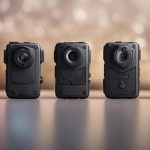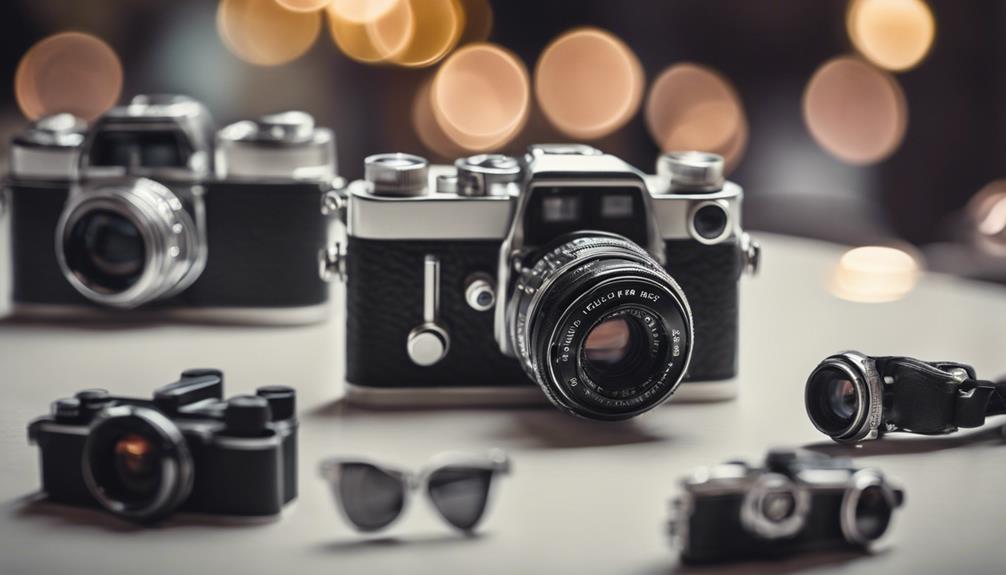

Clothing-integrated cameras are designed to record video while being worn, giving users a hands-free way to document events or monitor their surroundings. Their small size and discreet placement can make them less noticeable than a conventional handheld camera. However, the right choice depends on more than appearance. Video quality, battery performance, storage, controls, and lawful use all deserve careful consideration.
What to Look for in a Clothing Camera
A wearable camera should be practical enough to operate without constant adjustment. Before choosing one, consider how it attaches to clothing, how easily the lens can be positioned, and whether the controls can be reached while the device is being worn.
- Secure attachment: A clip, mounting point, or clothing attachment should keep the camera stable as you move.
- Lens placement: The lens should have a clear forward-facing view without being blocked by fabric, buttons, or accessories.
- Simple controls: One-touch recording or an easy-to-use control layout is helpful when hands-free operation matters.
- Comfortable design: Lightweight construction and a low-profile shape make a camera easier to wear for longer periods.
- Battery and storage: Recording time and available storage affect how useful the camera will be during an extended activity.
Important Recording Features
Image quality is central to any wearable recording device. A camera should produce footage with enough clarity and detail for the intended purpose, whether that means documenting a personal activity or creating a first-person recording. A stable mounting position is just as important as the camera itself because movement can make footage difficult to review.
Some clothing cameras include motion detection, which starts recording when movement is detected. This can reduce unnecessary footage and help conserve battery and storage capacity. It may not be suitable for every situation, though, since important events can occur before the camera activates.
Night vision or low-light recording can be useful in dim environments, but performance may vary. If recording after dark is important, check how the device handles low light rather than assuming that a night-vision feature will produce clear footage in every setting.
Wearable Integration and Everyday Use
The main advantage of a clothing camera is convenience. A wearable design can leave both hands free for walking, travel, outdoor activities, or documenting an event. It can also provide a consistent viewpoint compared with a camera that is repeatedly picked up and put down.
For the best results, position the camera so that the lens points naturally toward the area you want to record. Test the angle before relying on it, since a device attached too low or at an angle may capture clothing, the ground, or an obstructed view instead of the intended scene.
Remote viewing and live-streaming features may be available on some devices, but they also introduce additional considerations, including network reliability, account security, and privacy. These features should be treated as optional conveniences rather than automatic signs of better recording quality.
Choosing the Right Type of Use
A wearable camera may be suitable for legitimate purposes such as documenting your own activities, recording a hands-free point of view, or improving personal safety documentation. The best configuration will depend on whether you value longer recording time, clearer video, low-light performance, or a more secure attachment.
Do not choose a device solely because it is difficult to notice. A discreet appearance can be useful for reducing distractions, but recording people without their knowledge may violate privacy expectations or local law. Rules can differ depending on where recording takes place and whether audio is captured.
Use Clothing Cameras Responsibly
Before recording, understand the privacy and consent requirements that apply to your situation. Avoid private spaces and sensitive situations unless you have clear permission. Be particularly careful with audio, live streaming, and recordings that may identify other people.
In short, the most useful spy camera for clothing is not simply the smallest model. Look for a stable wearable design, dependable controls, adequate video quality, suitable battery life, and features that match the environment where you plan to record. Responsible use is equally important: a discreet camera should support lawful documentation, not hidden intrusion.