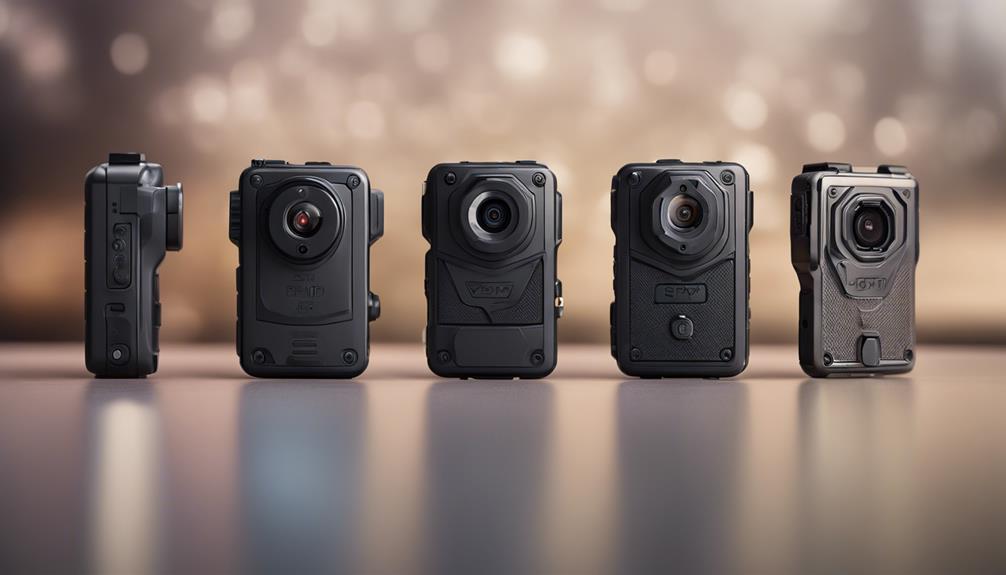

A body camera with audio can record events from the wearer’s perspective, making it useful for documentation, personal safety, and other lawful recording needs. The best choice is not necessarily the smallest or most feature-packed model. Video quality, sound capture, battery life, connectivity, and practical design all affect how useful the recordings will be.
Because these devices may record people without their knowledge, use them responsibly and check the laws that apply where you live. Audio recording rules can be especially strict, and recording in private spaces may raise additional privacy concerns. The following five features provide a practical framework for comparing spy body cameras with audio.
1. Low-Profile, Wearable Design
A compact design can make a camera easier to wear or position without interfering with normal movement. Look for a device that is lightweight, secure, and simple to operate. A camera that shifts while walking or has controls that are difficult to reach may produce poor footage or cause you to miss an important moment.
Discretion should not mean sacrificing safe and lawful use. The camera should be positioned where it can record appropriately, and its placement should not create a hazard or obstruct your vision. Consider the mounting method as well: a clip, lanyard, or clothing attachment may suit different situations.
2. Clear Video in Different Lighting
Video resolution matters, but it is only one part of image quality. A useful body camera should produce footage with enough detail to show relevant activity clearly. Lens angle, motion handling, and performance in changing light can also affect the final recording.
Some cameras include low-light or night-vision functionality. This may help in dim surroundings, but it is important to understand what the feature actually provides. Night vision does not guarantee a perfectly clear image in complete darkness, and the results can vary depending on distance and available light.
- Check whether the field of view covers the area you need without excessive distortion.
- Consider how the camera performs when the wearer is moving.
- Look for straightforward recording controls that reduce accidental pauses or missed footage.
3. Reliable Audio Recording
Audio can add context that video alone cannot provide, including spoken exchanges and surrounding sounds. A camera with a usable microphone should capture speech clearly enough to understand the recording, while limiting the impact of ordinary background noise.
Audio quality depends on distance, wind, room acoustics, and the position of the microphone. A high-quality specification does not guarantee clear dialogue if the camera is covered by clothing or placed far from the people speaking. Test the device in the environment where it will actually be used before relying on it for important documentation.
4. Battery Life and Storage
Battery capacity determines how long the camera can record before it needs to be recharged. Recording high-quality video and audio can consume power quickly, so consider the expected length of each use rather than relying only on a manufacturer’s maximum figure.
Storage is equally important. A camera may use removable memory or built-in storage, and available recording time will depend on video settings and file size. A practical model should make it easy to check remaining battery and storage, transfer files, and recharge between uses.
- Choose a battery capacity that matches the length of your typical recording sessions.
- Check how recordings are copied to another device and whether files are easy to locate.
- Keep important files backed up in a secure location rather than leaving the only copy on the camera.
5. Connectivity and File Access
Wireless connectivity can make it more convenient to transfer recordings or review files on a compatible phone, tablet, or computer. Some devices may also support remote viewing or control. These features can be useful, but they may increase power consumption and create additional privacy and security considerations.
Before choosing a camera, confirm which connection methods it supports and whether the required app or software works with your device. A simple wired transfer may be preferable if you want fewer setup steps or do not need remote access. Protect transferred recordings with strong account credentials and avoid sharing sensitive footage unnecessarily.
Use Audio-Capable Cameras Legally and Responsibly
Recording laws vary by jurisdiction. In some places, audio recording requires the consent of one participant; in others, everyone involved may need to agree. Separate rules may apply in workplaces, homes, public buildings, or areas where people reasonably expect privacy.
Before recording, learn the relevant requirements and obtain consent when necessary. Do not use a discreet camera to harass, threaten, invade privacy, or capture sensitive activity unlawfully. If the footage may be used in a dispute or formal report, preserve the original files and document when and how they were recorded.
Making the Right Choice
The most suitable spy body camera with audio balances discreet wearability with dependable recording. Start with the conditions in which you will use it, then compare image quality, microphone performance, battery endurance, storage, and connectivity. A camera that is easy to operate and appropriate for the situation will generally be more valuable than one with specifications you do not need.