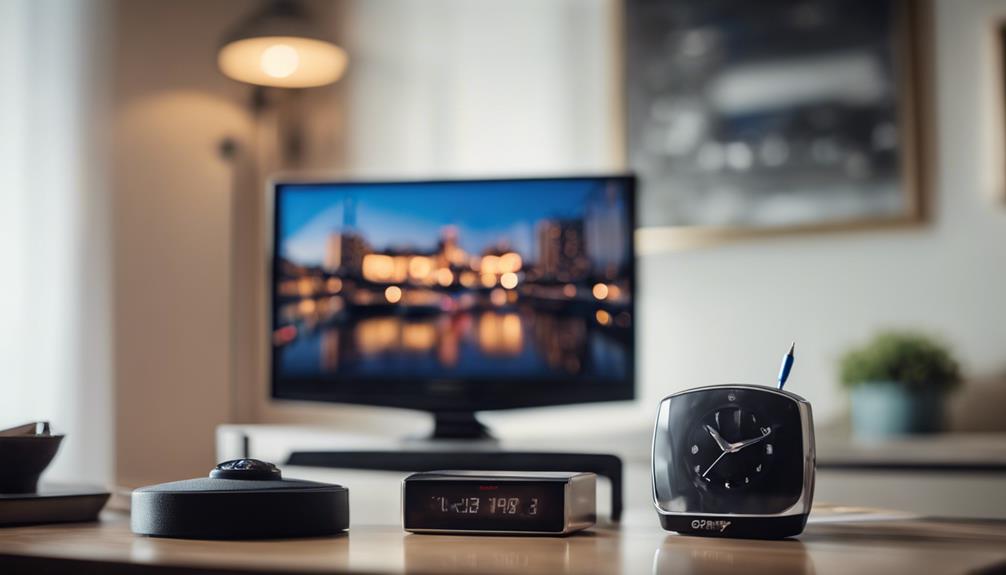

The term “TV spy camera” can refer to a small, discreet camera used to monitor a room or property, often near a television or inside a compact household setup. The best choice depends less on a single headline feature and more on how you plan to use the camera. Resolution, placement, battery life, connectivity, motion detection, night vision, and storage all deserve attention before you buy.
Use any camera responsibly and in accordance with local privacy laws. Do not record people in private spaces without appropriate permission, and make sure household members, guests, employees, or visitors are treated fairly and lawfully.
What to Look for in a TV Spy Camera
A useful camera should produce footage you can understand, remain reliable for the intended monitoring period, and fit naturally into its approved location. Start by identifying whether you need occasional recording, continuous monitoring, remote access, or alerts when activity occurs.
- Video resolution: Higher resolution can make faces, objects, and movement easier to distinguish. A 1080p model is a practical starting point for clear footage, while 4K may suit situations where fine detail is especially important.
- Camera size and placement: Compact designs are easier to position neatly, but the camera still needs an unobstructed view and a stable mounting location.
- Power: Battery-powered cameras are flexible to install, while wired models may be better for longer monitoring periods without recharging.
- Connectivity: Wireless models can simplify installation and may support viewing from a phone or computer, depending on the camera and its software.
- Storage: Check how recordings are saved and how much footage the system can retain. Storage options should match the length and frequency of your monitoring.
Compact Mini Cameras
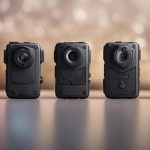
A compact mini camera is useful when space is limited or when you want equipment that does not dominate the room. Its small size can make placement easier on a shelf, cabinet, or other suitable surface, but concealment should never be used to defeat someone’s reasonable expectation of privacy.
Pay particular attention to resolution and battery life. Clear video is of limited value if the camera cannot capture enough detail, while a short battery runtime can create gaps in coverage. Before purchasing, check whether the stated battery performance applies to standby mode, recording, or another usage condition.
Wireless Camera Systems
A wireless camera system avoids the need to run a video cable between the camera and viewing device. This can make setup more convenient and allow the camera to be repositioned more easily. Some systems also provide remote monitoring through a smartphone or computer.
Remote access depends on the camera’s connection, application, and network environment, so confirm exactly how viewing works before committing to a model. Look for clear instructions, dependable alerts, and a straightforward setup process. A wireless camera should also be placed where its signal and power supply are dependable.
Motion-Activated Cameras
Motion activation starts recording when movement is detected rather than recording continuously. This can reduce the amount of unnecessary footage and make important events easier to locate. It is particularly useful for entrances, rooms that are empty for part of the day, or other areas where activity is occasional.
Consider how the camera handles movement, how sensitive its detection is, and whether you can adjust the alert or recording settings. Positioning matters: a poor angle can cause missed activity or trigger recordings whenever people pass through an area unnecessarily.
4K Ultra HD Cameras
A 4K Ultra HD camera is designed for highly detailed video. This can be helpful when you need to examine small features in a recording, provided the camera has a clear view and the rest of the system can handle the resulting footage.
Do not select 4K solely because it is the highest specification. A well-positioned camera with suitable lighting and reliable storage may be more useful than a higher-resolution camera placed behind an obstruction. Check the viewing device, recording method, and available storage before choosing this option.
Night Vision Cameras
Night vision allows a camera to record in low-light or dark conditions. These cameras commonly produce black-and-white footage when using infrared illumination, making them suitable for monitoring after dark when ordinary video may lose detail.
Compare the claimed night-vision range, image resolution, and installation requirements. Test the camera in its intended location if possible, since walls, furniture, windows, and nearby light sources can affect the resulting image. Night vision is most useful when paired with a clear field of view and dependable power.
Choosing the Best Option
For a small, flexible setup, begin with a compact camera offering clear video and adequate battery life. Choose a wireless model if remote viewing and simpler installation are priorities. Motion activation is a practical feature when you only need recordings of activity, while 4K is best reserved for situations where additional detail justifies the requirements. If monitoring will continue after dark, make night vision a priority.
Finally, review the camera’s privacy controls, storage method, connectivity, and power needs alongside its image quality. The right camera is the one that meets your legitimate monitoring purpose reliably, can be installed safely, and respects the privacy of everyone who may be recorded.