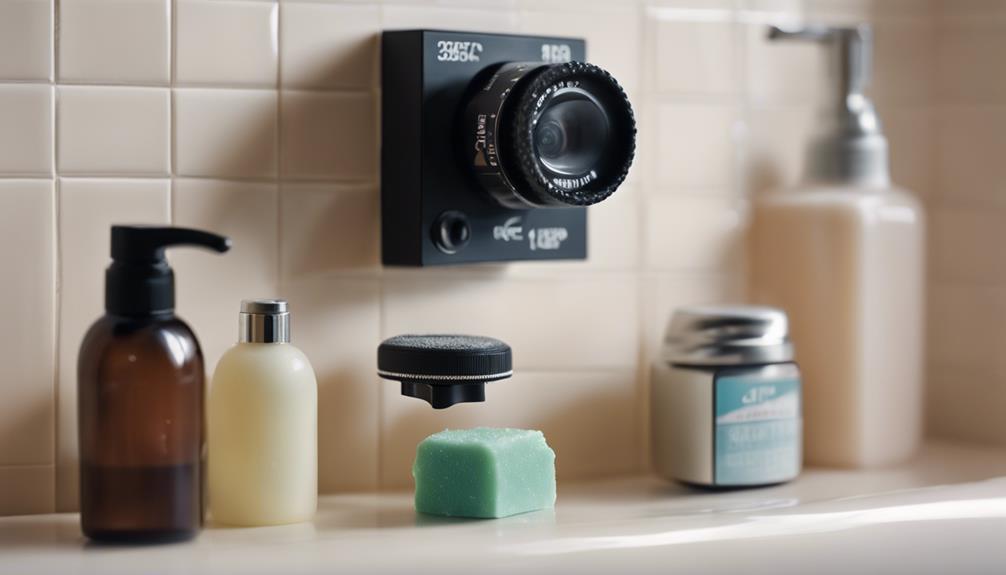

Covert cameras do not belong in showers, bathrooms, changing rooms, or other places where people reasonably expect privacy. A hidden device in one of these areas can enable intimate surveillance without consent and may violate privacy, employment, data-protection, or criminal laws depending on the location and circumstances.
If the goal is to improve bathroom safety, prevent water damage, or protect a property, there are safer solutions that address those needs without recording people while they are undressed. The right choice depends on whether the concern is an emergency, a leak, unauthorized entry, or security around the building.
Safer options for bathroom safety
Emergency call buttons and pull cords
For homes, care environments, and accessible facilities, an emergency call button or pull cord can let someone request help without using a camera. These systems can be installed where they are easy to reach from the shower or floor, and they focus on responding to an incident rather than recording private activity.
Water-leak and flood sensors
If the concern is an overflowing bath, damaged plumbing, or a running shower, a water-leak sensor is a more appropriate tool than surveillance equipment. Place sensors near plumbing connections, beneath sinks, or outside the shower enclosure according to the product instructions. Alerts can notify a resident or responsible person when moisture is detected.
Motion or occupancy sensors without cameras
Non-camera motion and occupancy sensors can help automate lighting, ventilation, or welfare checks while collecting much less sensitive information. Before installing one, explain its purpose, limit access to any associated data, and confirm that its use is appropriate for the setting.
Security around, not inside, private spaces
When building security is the concern, a visible camera may be used in a shared hallway, entrance, or exterior area where recording is justified and legally permitted. It should be positioned to avoid filming the shower, bathroom interior, changing area, or people entering and leaving in a way that exposes private activity.
- Use visible equipment rather than hidden devices.
- Point cameras only at the specific area that requires protection.
- Mask or exclude windows, doors, and private interiors from the frame.
- Provide clear notice where recording takes place.
- Restrict access to recordings and keep them only as long as necessary.
- Review the plan with the property owner, employer, residents, or other affected people.
Privacy and consent should come first
Consent is especially important in homes shared by multiple people, rental properties, workplaces, gyms, dormitories, and care facilities. A general statement that cameras are used for “security” does not automatically justify recording inside a private washing area. Local rules may also impose requirements for notice, data storage, access controls, and deletion.
Before installing any monitoring system, identify the specific risk, consider whether a non-recording device can solve it, and obtain appropriate legal or professional advice when the situation involves employees, tenants, children, patients, or vulnerable adults. Never use a covert camera to watch people shower, change clothes, or attend to personal care.
Choosing the right solution
For emergencies, choose a call system. For plumbing problems, choose leak detection. For lighting or ventilation, choose a non-camera sensor. For perimeter security, use visible cameras outside private areas with careful framing and clear policies. These alternatives provide practical protection while respecting dignity and the expectation of privacy that bathrooms and showers require.