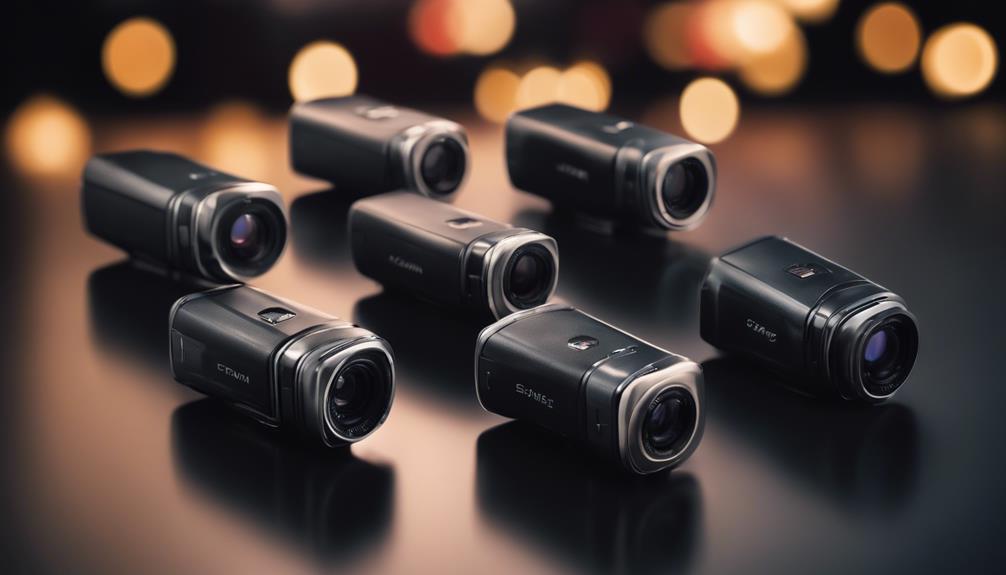

A 4K spy camera can provide highly detailed footage while remaining small enough for discreet monitoring. However, image resolution is only one part of an effective security setup. The best choice depends on where the camera will be used, how footage will be accessed, lighting conditions, power availability, and applicable privacy rules.
Rather than focusing on a single camera design, consider these five useful categories and capabilities when comparing spy 4K cameras.
1. Ultra-HD Video with Motion Detection
4K video captures substantially more detail than lower-resolution footage, which can make it easier to review activity and identify important visual information. This is especially useful when monitoring entrances, rooms, vehicles, or other areas where fine details may matter.
Motion detection helps reduce the amount of unnecessary footage by triggering recording or alerts when movement is detected. When comparing cameras, look for controls that allow you to adjust detection sensitivity and, where available, define activity zones. These settings can help prevent repeated alerts caused by harmless movement, such as passing traffic, curtains, or pets.
- Choose 4K when image detail is more important than minimizing storage use.
- Check whether motion detection activates recording, notifications, or both.
- Consider whether the camera can record continuously or only when movement occurs.
2. Night Vision for Low-Light Monitoring
Security monitoring should not stop when the lights go out. Night-vision cameras use infrared illumination or other low-light technology to produce usable footage in dark conditions. This can be helpful for monitoring hallways, entrances, offices, storage spaces, and outdoor areas at night.
Night vision performance varies significantly between cameras. A camera may produce clear footage in dim light but less detail in complete darkness. Infrared illumination can also affect how discreet the camera is, depending on whether its infrared lights are visible to the human eye. Review the intended environment carefully and avoid assuming that every night-vision mode delivers the same results as daytime 4K video.
3. Wireless and Covert Camera Designs
Wireless cameras can simplify installation by reducing the need for video cables. Depending on the model, footage may be transmitted through Wi-Fi or a cellular connection and viewed remotely using a phone or computer. This makes wireless monitoring practical for temporary setups, rented spaces, and locations where running cables is difficult.
Wireless does not always mean completely cable-free. Many cameras still require a power adapter, rechargeable battery, or regular charging. Network reliability is also important: a weak connection can interrupt live viewing or delay notifications.
Small or concealed cameras may be useful when a visible security device is unsuitable, but they should be used responsibly. Recording people without proper notice or permission may violate privacy, employment, housing, or audio-recording laws. Check local requirements before installing any covert device, particularly in bedrooms, bathrooms, workplaces, shared homes, or other private areas.
4. Smart-Home Integration
Integration with a smart-home system can make a camera easier to manage alongside other devices. Compatible systems may support voice commands, automated routines, scheduled recording, and notifications based on whether someone is home or away.
Geofencing can use the location of a connected phone to change camera behavior when you leave or return. For example, a system might enable monitoring while the property is empty and adjust its settings when occupants come home. Before buying, confirm that the camera works with the smart-home platform and voice assistant you already use. Also review account security, password practices, and available privacy controls.
5. Portable Mini Cameras for Mobile Protection
Portable mini cameras are designed for situations where a fixed installation is impractical. A compact, body-worn camera can document an encounter or event, while a small vehicle camera can help monitor activity around a car. Their size makes them convenient, but portability often involves compromises in battery life, storage capacity, durability, and recording time.
For mobile use, check how footage is saved and transferred. Options may include removable storage, internal memory, cloud access, or direct transfer to a phone. A camera intended for travel should also be simple to recharge and stable enough to record usable video while moving.
How to Choose the Right 4K Spy Camera
Start with the environment and purpose rather than the word “4K.” Compare the camera’s low-light performance, power requirements, storage method, wireless range, motion alerts, viewing app, and mounting options. A higher-resolution camera may require more storage and bandwidth, while a lower-power model may be more practical for portable use.
Finally, use discreet surveillance equipment only for legitimate security, documentation, or safety purposes. Follow local laws, respect consent and private spaces, secure remote accounts, and protect recorded footage from unauthorized access. With those safeguards in place, the right 4K camera can provide detailed monitoring without creating unnecessary privacy or security risks.