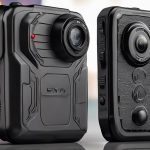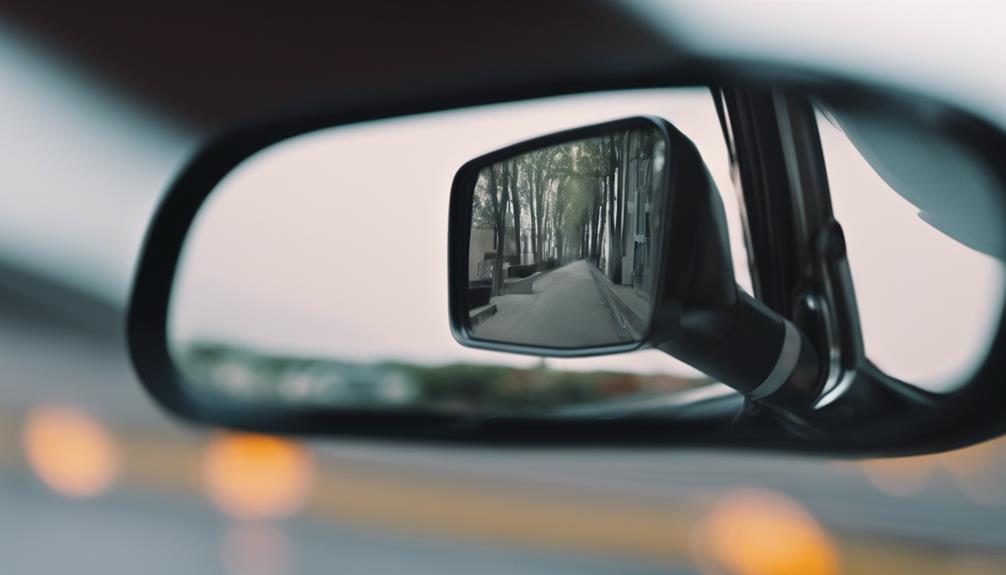

A spy camera in a car mirror is a small recording device built into, attached to, or designed to resemble part of a vehicle mirror. Its purpose is to capture video while remaining unobtrusive. Depending on the model, it may record the vehicle interior, nearby surroundings, or the road, and it may store footage locally or provide remote viewing.
Although the term spy camera suggests covert surveillance, the same type of equipment is often considered a vehicle security camera or discreet dash camera when it is installed and used openly and lawfully. The important distinction is not just the camera’s size or position, but how it is used and whether the people being recorded have appropriate notice or consent.
How the Camera Is Integrated into a Car Mirror
These cameras use compact imaging hardware that can fit into a mirror housing or a nearby mount. The lens is positioned to provide a useful view without interfering with the driver’s visibility, mirror adjustment, or normal operation of the vehicle.
A typical system may include:
- A small camera lens and image sensor
- A mounting point or mirror housing
- Power supplied by the vehicle or an internal battery
- Local storage, such as built-in memory or a removable card
- Controls or software for recording and reviewing footage
- Optional motion detection or remote viewing features
Not every camera includes all of these functions. The design, recording method, and field of view vary between devices, so the camera should be chosen for a clearly defined and lawful purpose.
Recording and Monitoring Features
Video quality
Resolution affects how clearly the camera captures faces, vehicles, road signs, and other details. The legacy guidance recommends at least 1080p for sharper footage. Image quality can still vary because of lighting, lens quality, movement, and the camera’s viewing angle.
Motion-triggered recording
Motion detection can start recording when movement is detected. This may reduce unnecessary footage and help preserve storage space, particularly when the vehicle is parked. It can also miss activity or activate unnecessarily, so it should not be treated as a guarantee that every event will be recorded.
Remote access
Some devices support live streaming or remote access through a phone or computer. This can be useful when immediate viewing is needed, but it may depend on the camera’s connection, power supply, and storage arrangement. Recorded footage should be checked regularly to confirm that the system is functioning as expected.
Storage capacity
Storage determines how much video can be retained before older files are overwritten or the device stops recording. Consider the intended recording duration and whether the camera supports expandable storage. Important footage should be copied to a separate location promptly rather than left only on the camera.
Installation and Positioning
The camera should be mounted securely so that vibration or movement does not affect the image while the vehicle is moving. Its position should provide the intended view without blocking the driver’s sightline, obscuring the mirror, interfering with safety equipment, or creating a distraction.
After installation, test the camera in different lighting conditions. Check that the lens is unobstructed, the recorded angle is suitable, the power connection is reliable, and the footage can be retrieved. A discreet installation should not mean deliberately disguising the device to record people who would reasonably expect privacy.
Legal and Privacy Responsibilities
Using a camera in or around a vehicle can raise privacy and surveillance issues. Laws differ by jurisdiction and may address audio recording, recording inside private spaces, filming on private property, data retention, and disclosure of footage. In some situations, consent or clear notice may be required.
Before installing the camera, check the rules that apply where the vehicle is operated. Avoid recording private conversations or areas where people have a reasonable expectation of privacy unless there is a clear legal basis to do so. Store footage securely, limit access to it, and avoid sharing recordings unnecessarily.
Practical Uses
A vehicle-mounted mirror camera may support lawful security and documentation purposes. For example, it can record the surroundings of a parked vehicle, document a road incident, or provide footage for reviewing what happened during a dispute or insurance matter. It may also help a driver examine events on a journey after the vehicle has stopped.
However, a camera is not a substitute for attentive driving, physical security measures, or professional advice. Its value depends on correct installation, dependable recording, suitable storage, and responsible handling of the resulting footage.
Conclusion
A spy camera in a car mirror is best understood as a compact vehicle camera integrated into or positioned near a mirror for discreet video recording. Features such as high-resolution video, motion detection, remote access, and expandable storage can make the device practical, but they do not remove the need for careful installation and lawful use. Privacy, consent, safe positioning, and secure footage management should guide every decision about using one.