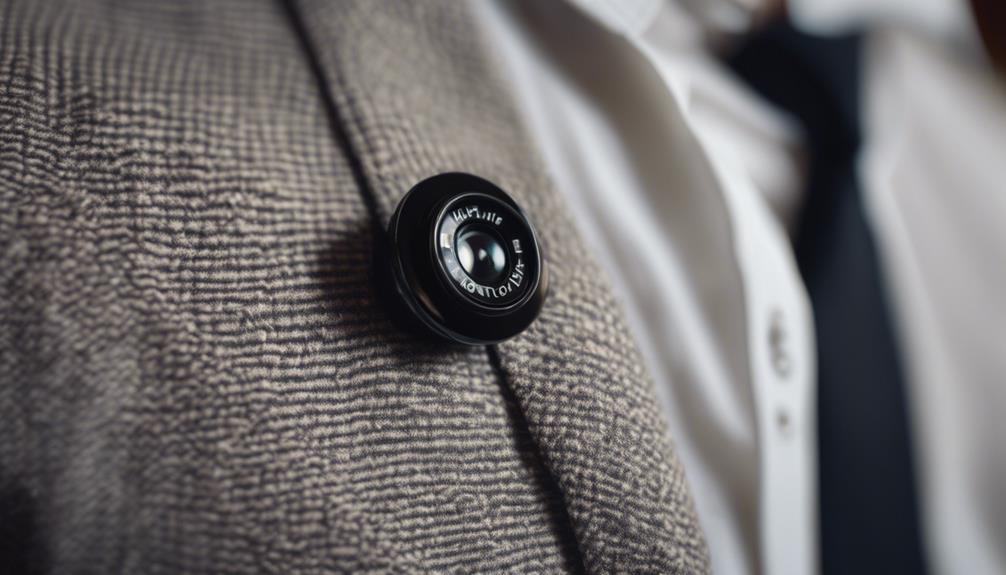

Shirt-button spy cameras are designed to look like ordinary clothing fasteners while housing a miniature camera. Their appeal comes from a simple combination: a familiar appearance, compact construction, and the ability to record video and audio without the bulk of conventional equipment. When used lawfully and responsibly, this type of device may support personal safety, documentation, or professional investigative work.
How a Shirt-Button Camera Works
A button-style camera typically places a small lens behind or within an imitation shirt button. The recording unit may be built into the clothing, connected to a separate recorder, or paired with another device, depending on the design. The goal is to keep the camera aligned with the wearer’s view while making the equipment less noticeable than a conventional handheld camera.
Because the lens is so small, positioning matters. A button that sits too low, is covered by fabric, or points away from the subject may produce limited footage. Before relying on one, users should check the viewing angle, lighting performance, storage method, battery life, and whether the camera records sound as well as video.
Important Features to Compare
- Image quality: Clear video is more useful than a tiny file that cannot show important details. Check how the camera performs in both bright and dim conditions.
- Audio recording: Some models include a microphone, while others focus on video only. Audio laws can be stricter than video laws, so this function deserves particular attention.
- Storage: Review how recordings are saved and how much footage the device can hold before files must be transferred or deleted.
- Battery and charging: A discreet design is of little value if the device stops recording quickly. Consider charging time and expected recording duration.
- Operation: Simple controls can reduce mistakes. Look for a way to start, stop, and check recording status without repeatedly handling the camera.
- Construction: The button should remain secure on the garment, and the camera should be positioned so that normal movement does not block the lens.
Potential Uses
These cameras may be considered for documenting situations where carrying a visible camera would be impractical. Examples described in the source material include personal-security documentation, private investigations, and workplace-related monitoring. They can also be useful when a person needs to keep their hands free while recording an interaction or an event.
However, discreet equipment should not be treated as a shortcut around consent or privacy rules. Recording another person without permission may be unlawful, particularly in private spaces or when private conversations are captured. Workplace monitoring can also involve employment, data-protection, and notification requirements. Anyone considering this equipment should understand the rules that apply in their location and situation before recording.
Practical Limitations
A button camera is not invisible or automatically reliable. Its lens may be noticed by someone nearby, and clothing folds can obstruct the image. Movement, poor lighting, background noise, and the wearer’s position can all affect the final recording. A discreet appearance also does not guarantee secure handling of the footage.
Recordings should be stored carefully, accessed only by authorised people, and retained only as long as there is a legitimate reason to keep them. If footage may be used as evidence, preserve the original file and document when and how it was created rather than repeatedly editing or re-saving it.
Choosing and Using One Responsibly
Start by identifying the legitimate purpose for recording, then select a device based on image quality, operating time, audio behaviour, storage, and ease of use rather than appearance alone. Test it in comparable lighting and clothing before an important situation. Confirm that the lens has a clear view, that the microphone does not capture more than intended, and that the controls work without drawing unnecessary attention.
Shirt-button spy cameras can offer a compact alternative to ordinary recording equipment, but their usefulness depends on careful setup and responsible use. The best choice is one that produces dependable footage while respecting consent, privacy, and applicable law.