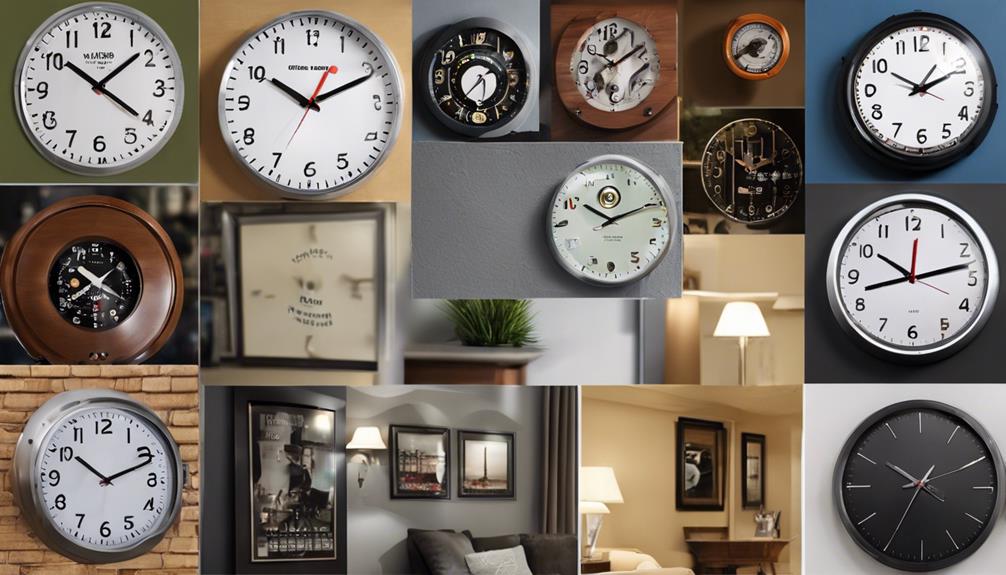

Wall-clock cameras combine an everyday decorative object with video-surveillance hardware. They may be considered for monitoring an entryway, living area, office, or other permitted location where a conventional camera would be impractical. However, choosing one should involve more than image quality or appearance. Storage, connectivity, placement, security, and local privacy laws all affect whether a particular device is appropriate.
Features to Compare
Video quality and viewing angle
Clear video is important when footage may need to show details such as movement, clothing, or activity in a room. Models described as offering high-definition recording can provide more usable footage than basic cameras, although the final result also depends on lighting, lens quality, compression, and placement.
A wide-angle lens can cover more of a room from a single mounting point. This can be useful in larger spaces, but a very broad view may create distortion or make distant subjects appear smaller. Check the stated viewing angle and consider whether the camera will be positioned close enough to the area you want to monitor.
Motion detection and recording
Motion-activated recording can reduce the amount of empty footage saved to a memory card. It can also make reviewing recordings faster by focusing on periods when movement was detected. Before buying, check whether the sensitivity can be adjusted. Poorly configured motion detection may miss activity or create excessive alerts caused by pets, changing light, or moving curtains.
Night vision
Night-vision capability is useful when the monitored area is dim or unlit. Infrared-based systems are intended to record in low-light conditions without relying on visible illumination. Performance varies, so consider the size of the room and the distance between the camera and the area of interest rather than assuming that a night-vision label guarantees clear footage everywhere.
Storage, Access, and Alerts
Some wall-clock cameras save recordings to an SD card. Local storage can remain available during an internet outage and may give you more direct control over recorded files. Review the supported card capacity, recording format, overwrite behavior, and how easily the card can be removed for viewing.
Other models may provide wireless access through a phone or computer. Remote viewing can be convenient when you are away, but it also creates an account and network-security responsibility. Use a strong, unique password, enable available security protections, update the camera software, and avoid sharing access credentials unnecessarily.
Real-time notifications can alert you when motion is detected. Alerts are most useful when they are reliable and configurable. Look for options to set activity zones, schedules, or sensitivity levels so that routine movement does not produce an overwhelming number of messages.
Installation and Placement
A wall-clock design may fit naturally into a room, but the camera still needs an unobstructed view. Mount it securely, position the lens toward the intended area, and check the image at different times of day. Bright windows, reflective surfaces, and poor positioning can reduce the usefulness of otherwise capable hardware.
Consider power requirements before installation. A battery-powered model may be easier to place, while a device that requires continuous power may offer more dependable long-term operation. Battery life depends on factors such as recording frequency, wireless use, and motion-alert activity, so treat long battery claims as something to verify against your intended setup.
Privacy and Legal Responsibilities
A hidden or disguised camera should never be treated as automatically acceptable simply because it is sold as a security product. Rules differ by location and may restrict recording in bedrooms, bathrooms, changing areas, workplaces, or other places where people reasonably expect privacy. Audio recording can have additional consent requirements.
Use surveillance only for a legitimate, clearly defined purpose, and inform household members, guests, employees, tenants, or contractors when required. Do not use a wall-clock camera to monitor people without authorization. Protect stored footage, limit who can view it, and delete recordings when they are no longer needed.
Choosing the Right Model
- Coverage: Match the lens angle and mounting position to the size of the room.
- Recording: Decide whether continuous or motion-triggered recording better suits the space.
- Storage: Compare SD-card support, retention settings, and any remote-storage requirements.
- Connectivity: Confirm that the wireless app or remote-access features work with your network and devices.
- Low-light performance: Check whether the camera can capture useful footage after dark.
- Power: Consider battery maintenance, charging access, and expected recording activity.
- Security: Look for software updates, account protection, and encrypted connections where available.
- Privacy: Verify that the intended placement and recording method comply with applicable rules.
Final Considerations
Wall-clock spy cameras can offer discreet room monitoring alongside features such as high-definition video, motion detection, night vision, local storage, remote access, and mobile alerts. Their value depends on how well those features match the room, power arrangement, and monitoring purpose. Careful placement, strong device security, and respect for consent and privacy are just as important as the camera’s specifications.