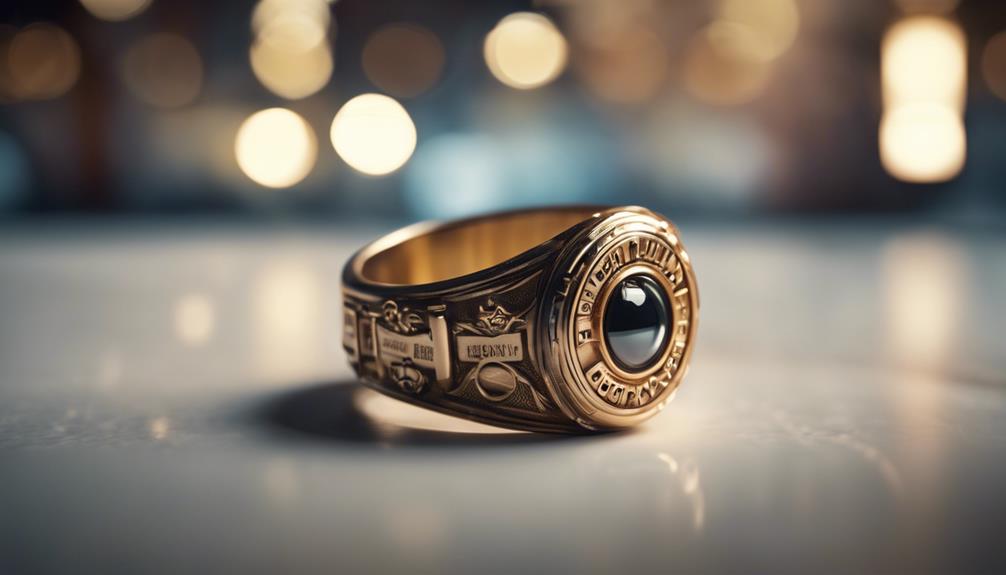

Spy camera jewelry combines an everyday accessory with a small camera concealed within its design. Pendants, bracelets, watches, brooches, and similar items may be built to capture photographs or video while appearing to be ordinary jewelry. The appeal is straightforward: the device can be worn without carrying a conventional camera or drawing attention to the fact that recording equipment is present.
However, discreet technology also creates serious privacy concerns. Recording people without their knowledge or permission may be unlawful, particularly when audio is involved. Spy camera jewelry should be treated as a specialized recording tool, not as a license to monitor anyone secretly.
How spy camera jewelry works
Most products use a small lens integrated into the accessory and a button or control disguised as part of the design. Depending on the model, the control may start or stop video recording, take a still image, or change between available modes. Some devices use a status light, vibration, or another discreet signal to indicate that recording has begun.
Recorded files are generally saved to internal storage or a removable memory card. Other models may connect wirelessly to a phone or another device, although the available functions vary considerably. Before using any product, check how files are transferred, how much storage is available, how the battery is charged, and whether the device records sound as well as video.
Common styles and design considerations
The camera may be hidden in a pendant, charm, bracelet, brooch, or another wearable item. The best design depends on how and where the accessory will be worn, as well as whether the lens has a clear, unobstructed view.
- Pendants and necklaces: Often provide a forward-facing position, but clothing, hair, or the angle of the pendant can block the lens.
- Bracelets and watches: May be convenient to operate, though the camera’s view can change whenever the wearer moves their arm.
- Brooches and clips: Can offer a stable position on clothing, provided the item remains pointed in the intended direction.
- Other accessories: Their appearance and controls may be less obvious, so the operating instructions should be reviewed carefully before use.
Appearance is only one part of the decision. Consider comfort, lens placement, battery life, storage capacity, file format, charging method, and the ease of reviewing or deleting recordings. A fashionable accessory is not useful if it is difficult to operate or produces obstructed footage.
Potential lawful uses
Wearable cameras can be useful when recording is transparent, appropriate, and permitted. Possible applications include documenting an event with the knowledge of the people involved, creating hands-free personal notes, recording a demonstration, or preserving information during a situation where the wearer has a legitimate reason to document what is happening.
Businesses, journalists, researchers, and investigators may have specific reasons to use wearable recording equipment, but professional purpose does not remove privacy obligations. Any planned use should be reviewed against the rules that apply to the location, the people being recorded, and the type of information being captured.
Advantages and limitations
Advantages
- Can be worn like an ordinary accessory rather than carried separately.
- May allow hands-free photography or video recording.
- Can be less cumbersome than holding a conventional camera.
- Some designs combine everyday styling with simple recording controls.
Limitations
- Small lenses may provide a narrower or less reliable view than a standard camera.
- Battery and storage capacity limit recording time.
- Movement, clothing, and poor positioning can reduce image quality.
- Wireless features may require setup and can introduce additional security or privacy considerations.
- Audio recording can create stricter consent and privacy issues than recording images alone.
Responsible use and practical tips
Read the instructions before wearing the device in a real situation. Learn how recording starts and stops, confirm where files are stored, and test the camera in a controlled setting. Keep the lens clear and check the framing rather than assuming the accessory is pointing where you expect.
Most importantly, obtain consent when required and avoid recording in places or circumstances where people reasonably expect privacy. Do not use wearable cameras to harass, intimidate, secretly monitor, or expose private information about another person. Store recordings securely, limit access to them, and delete files that are no longer needed.
Final thoughts
Spy camera jewelry is best understood as compact wearable recording equipment disguised within an accessory. Its convenience and hands-free design can be useful in legitimate situations, but its discreet appearance also increases the risk of misuse. Choosing a device should involve more than style: consider its controls, storage, battery, lens position, and privacy implications, then use it only in a lawful and respectful way.