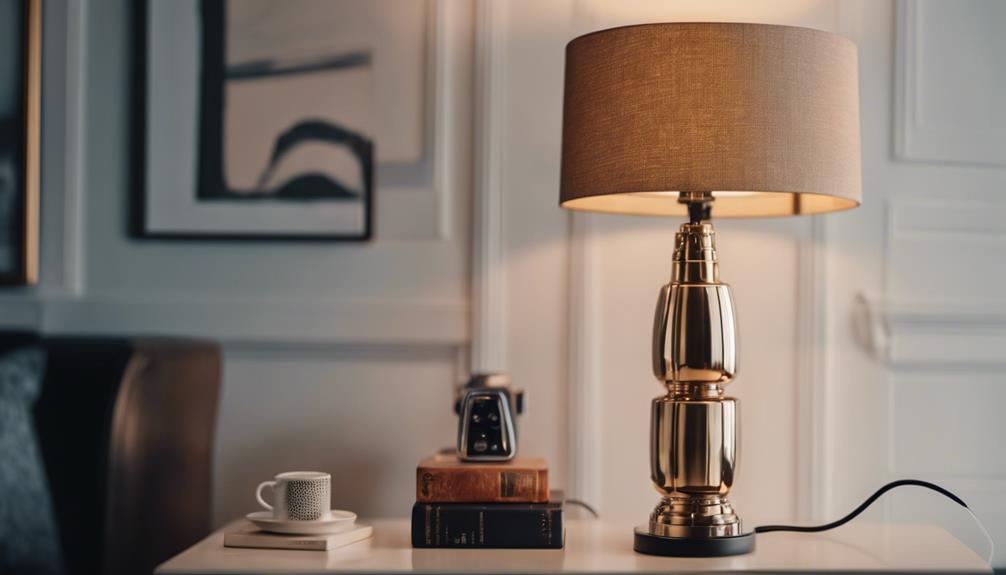

A spy camera lamp combines ordinary household lighting with discreet video monitoring. For homeowners who want security equipment to blend into their décor, this type of device can be an alternative to a visibly mounted camera. The best choice depends on the room, the area you need to monitor, your network setup, and the privacy rules that apply where you live.
Rather than choosing a lamp based only on appearance, compare the following ten features before buying or installing one.
1. A design that suits the room
Modern camera lamps may use simple lines, neutral finishes, and minimalist shades, while traditional models can resemble vintage or antique lamps. A design that fits naturally into the room is less distracting and makes the device feel like part of the existing furnishings.
2. Suitable camera placement
The camera should have a clear view of the area you want to monitor without being blocked by the shade, furniture, or nearby objects. Consider the lamp’s height and position before installation. A discreet appearance should never come at the expense of a restricted or poorly angled view.
3. Wide-angle or 360-degree coverage
Some camera lamps are designed to provide a broad field of view, and certain models may offer 360-degree coverage. This can help reduce blind spots when monitoring a room from a central position. Check how the camera achieves its stated viewing angle, since coverage may depend on whether the device uses a wide-angle lens, a rotating mechanism, or another design.
4. High-definition video
Clear video makes it easier to distinguish people, objects, and activity in the recorded area. Look for the stated video resolution and consider whether the image remains useful in the lighting conditions of your room. High resolution alone does not guarantee a good picture if the lens, placement, or lighting is unsuitable.
5. Night vision
Night vision can support monitoring when the room is dark or dimly lit. Many systems use infrared illumination, which is generally invisible to the human eye while helping the camera capture footage in low light. Check the expected night-vision range and whether infrared light affects the appearance of the room or nearby reflective surfaces.
6. Motion detection
Motion detection can trigger recording or send an alert when movement occurs within the camera’s range. This may reduce the amount of footage you need to review and help conserve storage. Adjustable sensitivity is useful because it can help limit alerts caused by curtains, pets, changing light, or other routine movement.
7. Wi-Fi reliability
Wi-Fi-enabled lamps can support remote viewing, but their performance depends on the strength and stability of the home network. Install the lamp where it can maintain a dependable connection with the router. If the signal is weak, live streaming and alerts may be delayed or interrupted.
8. Smartphone app access
An accompanying smartphone app may allow you to view live footage, review recordings, change settings, and receive motion alerts while away from home. Before relying on these features, check that the app works with your phone and offers the controls you actually need.
9. Security and privacy controls
A connected camera should be protected with a strong, unique password and any available security updates. Secure login methods and data encryption can help reduce the risk of unauthorized access. Also consider where the device points: bedrooms, bathrooms, and other private spaces require particular care.
10. Straightforward installation
A simple setup process can make a camera lamp easier to use correctly. Follow the manufacturer’s instructions when connecting the lamp to power, joining it to Wi-Fi, and pairing it with the mobile app. After installation, test the live view, motion alerts, night vision, and recording settings from the intended position.
Responsible use matters
Covert monitoring raises important privacy and legal considerations. Laws and expectations can vary by location, especially when recording audio or capturing people who have not agreed to be monitored. Use the lamp only for legitimate security purposes, avoid recording private areas, and inform household members, guests, or workers when required. Review the device’s storage and account settings regularly so that footage is not kept or shared unnecessarily.
Final buying checklist
- Choose a style and size that fit the room.
- Confirm the viewing angle and intended coverage.
- Check video quality, night vision, and motion settings.
- Test Wi-Fi strength at the planned location.
- Review app compatibility, privacy controls, and security updates.
- Install and position the lamp in accordance with local rules and the manufacturer’s guidance.
A well-positioned spy camera lamp can combine useful illumination with discreet monitoring, but its effectiveness depends on more than appearance. Careful placement, a reliable connection, appropriate settings, and respectful use are essential to making it a practical part of a home security setup.