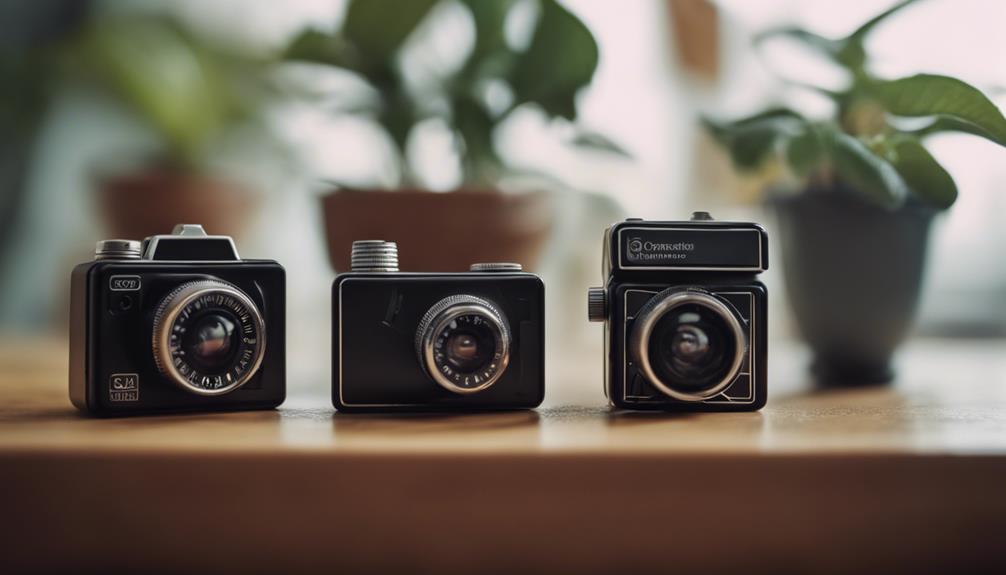

Motion activation can make a surveillance camera more useful by recording activity instead of filling storage with hours of empty footage. Different camera designs suit different environments, from discreet indoor monitoring to wireless outdoor security. The three options below represent common categories of motion-activated cameras and the features worth comparing.
Before installing any camera, make sure its use complies with local privacy and recording laws. Avoid placing cameras where people reasonably expect privacy, and obtain consent when required. In many situations, a visible security camera is the more appropriate choice.
1. Compact Motion-Activated Camera
A compact camera is designed for situations where space is limited and the equipment should not dominate the room. Its small footprint can make it suitable for monitoring a particular area in a home, office, storage space, or other permitted location.
The main advantage of motion activation is selective recording. Rather than capturing continuous footage, the camera starts recording when movement is detected. This can reduce the amount of stored video and make it easier to find relevant events during playback.
Features to consider
- Detection range: Check how far away movement can be detected and whether the camera covers the intended area.
- Trigger sensitivity: Adjustable sensitivity can help reduce recordings caused by minor activity or changing light.
- Storage method: Confirm whether footage is saved locally, transmitted wirelessly, or handled through another supported system.
- Power requirements: A compact design is less useful if the camera must be recharged too frequently for its location.
2. Wireless Motion-Detection Camera for Outdoor Areas
A wireless motion-detection camera is a practical option for locations where running a video cable would be difficult. It can transmit alerts or footage without a direct wired connection, making installation more flexible around entrances, yards, driveways, and other permitted outdoor areas.
For outdoor use, weather resistance is an important consideration. A camera intended for indoor conditions may not withstand rain, humidity, dust, or temperature changes. Night vision is also useful when the monitored area has limited lighting, although image quality can vary depending on the distance, ambient light, and camera design.
Questions to ask before choosing one
- Does the wireless connection remain reliable at the planned installation point?
- Is the housing rated for the weather conditions it will encounter?
- How are movement alerts delivered, and can unnecessary notifications be reduced?
- Will the battery, if applicable, last long enough between charging sessions?
- Does the camera provide usable footage at night as well as during the day?
Wireless convenience does not remove the need for secure setup. Use strong account credentials, protect the connected network, and review access permissions so that only authorised users can view recordings.
3. Concealed Motion-Activated Camera
A concealed camera is designed to blend into an object or surrounding environment. While this format may be useful for specific, lawful security purposes, it presents greater privacy and ethical concerns than a visible camera. Concealment should never be used to record people in private spaces or without the consent required by applicable law.
Depending on the model, a concealed motion-activated device may record when movement occurs, support low-light viewing, and provide high-definition footage. Some designs may also allow remote viewing or alerts. These features can help protect property, but they should be evaluated alongside notification requirements, data security, and the rights of anyone who may be recorded.
Responsible placement and use
- Use cameras only in areas where monitoring is lawful and justified.
- Do not place them in bedrooms, bathrooms, changing areas, or other private locations.
- Inform household members, employees, visitors, or guests when disclosure is required.
- Keep recordings secure and retain them only for as long as necessary.
- Choose visible equipment when a concealed design is not essential.
Comparing the Three Options
A compact camera is best when size and targeted recording matter. A wireless outdoor model is more suitable when flexible installation, weather resistance, alerts, and night monitoring are priorities. A concealed device offers the least visible installation, but it also requires the greatest care to ensure that its use is lawful, proportionate, and respectful of privacy.
Motion activation is only one part of the decision. Consider the camera’s placement, power supply, storage, night performance, connection security, and alert controls before buying or installing any model. Used responsibly, motion-activated recording can help document activity while avoiding unnecessary footage and storage demands.