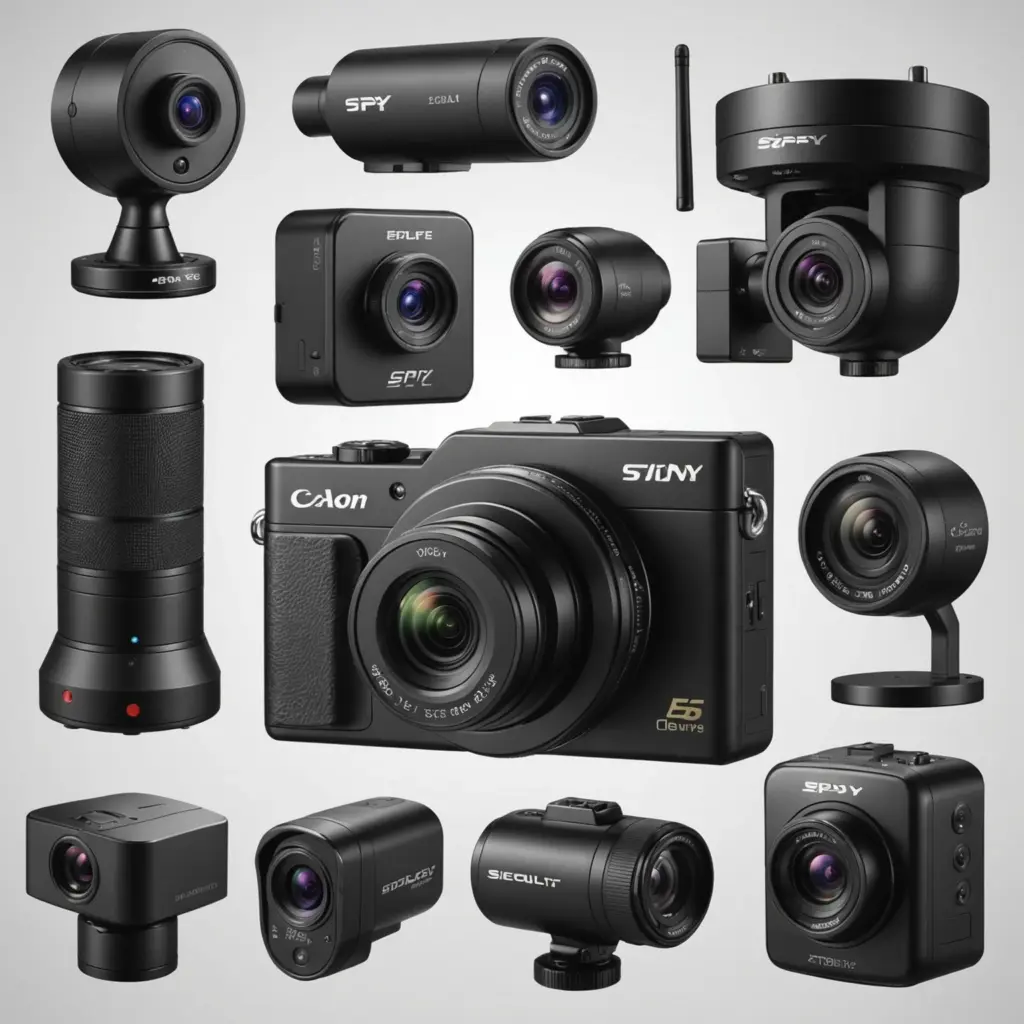

Choosing a spy camera is less about finding one universal “best” device and more about matching the camera’s design and features to the situation. A compact camera may suit discreet, short-term recording, while a wireless model may be more useful when remote access matters. Night vision, motion detection, video quality, battery life, and installation requirements can all affect the decision.
This guide compares five common spy camera types and explains what to consider before choosing one. Use any recording device responsibly, respect people’s privacy, and check the laws that apply where you live. Recording someone without appropriate notice or consent may be illegal, particularly in bedrooms, bathrooms, workplaces, or other private settings.
1. Mini Spy Cameras
Mini spy cameras are designed for situations where a small footprint is important. Their compact size can make them easier to position discreetly than a conventional security camera, but reducing the size may also affect battery capacity, storage, controls, or image quality.
Features to consider
- Video resolution: Higher resolution can make recorded details easier to identify, although it may require more storage space.
- Motion detection: Recording can begin when movement is detected instead of running continuously.
- Storage method: Check whether footage is saved locally or requires a connected device or network.
- Placement: Choose a position with a clear view and avoid placing the camera in areas where people reasonably expect privacy.
A mini camera can be useful for limited monitoring tasks, but its small size should not be the only deciding factor. Make sure the controls, power source, and footage retrieval process are practical for your intended use.
2. Hidden Cameras with Night Vision
A hidden camera with night vision is intended for areas that may be poorly lit. Night-vision capability can help a camera record after dark or in rooms where normal lighting is limited. Infrared illumination is commonly associated with this feature, but performance can vary considerably between devices.
When comparing models, look for clear information about low-light recording, the camera’s viewing angle, and whether the image remains useful at the distance you need to monitor. Night vision does not compensate for poor positioning: obstacles, reflective surfaces, and a narrow field of view can still limit what the camera captures.
Night-vision cameras may be considered for lawful property or entryway monitoring, but extra care is needed when the device could record people in private spaces. A visible, appropriately disclosed security camera may be a more suitable choice in many home or workplace situations.
3. Wireless Spy Cameras
Wireless spy cameras are attractive when flexible placement and remote monitoring are priorities. Without a video cable, installation can be simpler, and some devices allow footage or alerts to be accessed through a connected phone or network.
Important questions before buying
- Does the camera require Wi-Fi, and will it work reliably where it will be placed?
- Is remote access protected by a strong password and secure account settings?
- How are notifications delivered, and can unnecessary alerts be reduced?
- What happens if the internet connection or power supply fails?
Wireless convenience also introduces security and privacy responsibilities. Change default login details, use a strong unique password, keep the device software updated when updates are available, and limit access to people who genuinely need it.
4. USB Charger Spy Cameras
A USB charger spy camera is designed to resemble an ordinary charging accessory while recording video. Its everyday appearance may make it less noticeable, but that same feature creates serious privacy and legal concerns. A device that records without a person’s knowledge can easily cross ethical or legal boundaries.
Before considering this type of camera, determine whether recording is permitted in the location and circumstances involved. Do not use it in private areas or to monitor people secretly. If the legitimate goal is property security, a clearly disclosed camera or standard security system is often a safer and more transparent option.
5. Motion-Activated Spy Cameras
Motion-activated cameras begin recording when movement is detected within their coverage area. This can reduce unnecessary footage and may help conserve storage space or battery power compared with continuous recording.
They can be useful for monitoring a doorway, storage area, or another defined location where movement is the main event of interest. Some models can send alerts when motion is detected, allowing you to review activity without watching a live feed continuously.
Potential limitations
- Small or slow movements may not always trigger recording.
- Pets, changing light, or moving objects can create unwanted alerts.
- A short activation delay may cause the beginning of an event to be missed.
- Battery-powered models may need frequent charging depending on activity levels.
How to choose the right type
Start with the monitoring situation rather than the camera’s appearance. Choose a mini model when size is the priority, night vision when lighting is limited, wireless connectivity when remote access is essential, and motion activation when you want to focus on specific events. Treat disguised devices with particular caution because concealment can create significant privacy risks.
Whichever option you consider, review image quality, viewing angle, power requirements, storage, connectivity, and security controls. Most importantly, use recording equipment only for lawful, proportionate purposes and in a way that respects the people who may be captured.