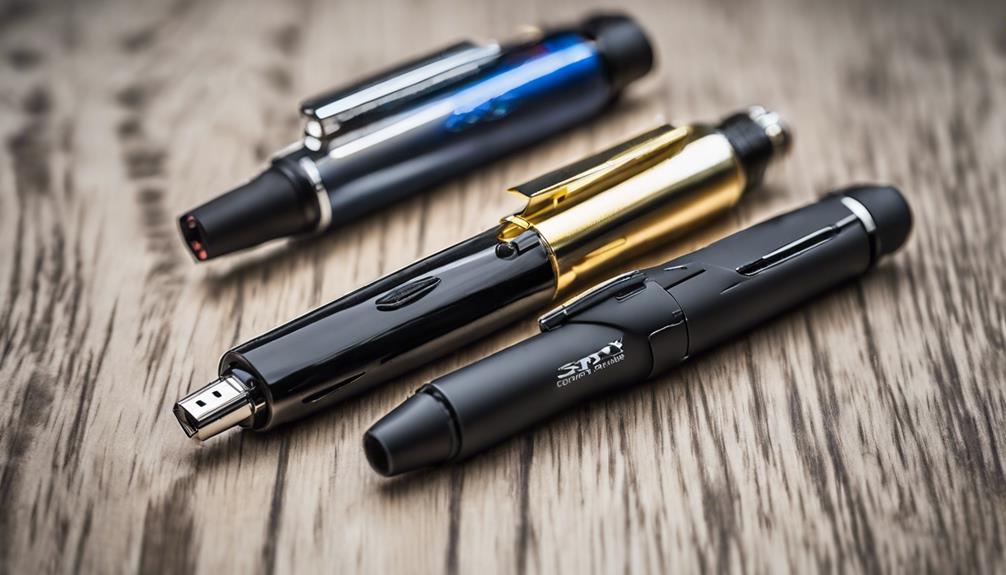

A spy camera USB pen combines the appearance of an ordinary writing instrument with video-recording hardware. That compact format can be useful for legitimate documentation, personal security, or authorized monitoring, but it also creates important privacy and legal responsibilities. Before choosing one, confirm that recording is permitted where you are and obtain consent whenever required.
Because individual models vary widely, the most useful way to compare them is by examining their practical features rather than relying on appearance alone. Here are ten factors to consider when evaluating a spy camera USB pen.
1. Video resolution and image quality
Resolution determines how clearly a camera records faces, documents, and other details. Look for footage that remains easy to review on a computer or mobile device. A high-resolution specification is helpful, but it should be considered alongside lens quality, lighting performance, and file size. Very large video files can fill the available storage quickly.
2. Lens angle and framing
A wider lens can include more of a room or scene, which may be useful when the pen cannot be positioned precisely. However, wide-angle footage can introduce distortion around the edges. Check whether the camera’s field of view suits your intended, authorized use and whether the lens points naturally in the same direction as the pen.
3. Battery life
Battery capacity affects how long the pen can record before it needs to be recharged. Consider how the device is activated, whether recording can continue while charging, and how long a full recharge takes. A battery indicator or clear operating instructions can make the device easier to manage during longer documentation sessions.
4. Available storage
Storage capacity determines how much footage can be retained before files must be transferred or deleted. Check the supported storage format and the approximate size of recorded files. Regularly move important footage to a secure computer or drive, then remove unnecessary copies from the pen to reduce the risk of unauthorized access.
5. Simple, discreet controls
A useful pen camera should not require complicated button combinations or a lengthy setup process. Look for clearly explained controls, status indicators that do not cause confusion, and reliable file-saving behavior. “Discreet” should mean convenient and unobtrusive for an authorized recording—not a license to record people without their knowledge.
6. Motion detection
Motion detection can start recording when movement is identified, potentially conserving battery and storage. Its effectiveness depends on the camera’s sensitivity and surroundings. Test the setting in an appropriate environment before relying on it, since movement, shadows, or changing light may trigger recordings unexpectedly.
7. Low-light performance
Some pen cameras are designed to record in dim conditions, while others perform best in ordinary indoor lighting. If low-light recording is important, examine sample footage when available and check whether night vision affects image detail. Infrared illumination may also be visible or restricted in certain situations, so understand how the feature operates before use.
8. Audio recording considerations
Audio can provide useful context, but it is often subject to stricter privacy rules than video. A built-in microphone may capture conversations beyond the intended area, including people who have not agreed to be recorded. If audio is not necessary, consider disabling it. If it is necessary for a lawful purpose, verify the applicable consent requirements first.
9. Device compatibility and file transfer
Confirm that the pen works with the computers, phones, or tablets you plan to use. Compatibility may depend on the operating system, connection type, video format, or required software. Easy file transfer is valuable, but footage should be stored with appropriate access controls rather than left on a shared or unsecured device.
10. Build quality, support, and value
A low price does not necessarily represent good value if the pen has unreliable controls, poor battery performance, or difficult-to-read footage. Compare the features you genuinely need, read customer feedback carefully, and check the available warranty or technical support. A sturdy body and a functional writing mechanism may also matter if the pen will be carried regularly.
Responsible use matters
Before recording, consider whether the activity is lawful, necessary, and proportionate. Do not use a camera pen in private spaces or to capture sensitive conversations without the required permission. Protect recordings with strong device security, limit access to authorized people, and delete footage when it is no longer needed. These steps help reduce privacy risks while keeping the device focused on legitimate documentation and security purposes.
How to choose
Start with the recording conditions, expected session length, storage needs, and devices used for reviewing footage. Then balance video quality, battery life, motion detection, low-light performance, and data protection. The best spy camera USB pen is not necessarily the one with the longest feature list; it is the one that meets a specific lawful purpose reliably and responsibly.