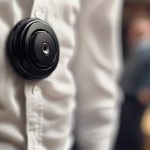

Wi‑Fi cameras with night vision can make it easier to monitor a home, office, vehicle, or other space in low-light conditions. The best choice depends on where the camera will be installed, how much coverage is needed, whether remote viewing is important, and how recordings will be stored.
The term “spy camera” is often used for small or discreet cameras, but these devices should only be used lawfully and with appropriate consent. Audio recording may be subject to additional restrictions. Before installing any camera, check local requirements and avoid recording private areas such as bathrooms or bedrooms.
1. Miniature Wi‑Fi Night‑Vision Camera
A miniature camera is designed for situations where a compact footprint matters. Wi‑Fi connectivity can provide access to live video through a compatible phone or computer, while infrared night vision supports monitoring when visible light is limited. Its small size may make placement flexible, but the viewing angle, battery life, and storage method should be checked carefully.
2. Motion-Activated Hidden Camera
Motion detection can reduce the need to record continuously. When movement is detected, the camera may begin recording or send an alert, depending on its configuration. Adjustable sensitivity is useful for limiting false alarms caused by pets, curtains, or changing light. Position the camera openly or with clear notice where required rather than using it to monitor people without their knowledge.
3. Wireless Nanny Camera with Night Vision
A wireless indoor camera can help authorized caregivers or household members check on children, older adults, or pets. Remote viewing allows a live feed to be checked from a connected device, while night vision supports monitoring after dark. Useful settings may include motion alerts, recording schedules, and user access controls.
4. Compact Night‑Vision Security Camera
Compact security cameras combine a small housing with low-light monitoring. They can be suitable for entrances, hallways, home offices, or other areas where a larger camera would be impractical. Look for a clear image, a suitable field of view, and an installation position that does not leave important areas blocked.
5. Indoor Wi‑Fi Camera
An indoor Wi‑Fi camera is a practical option for general room monitoring. Many models are designed for quick placement on a shelf, wall, or ceiling and may support live viewing and recorded footage through an app. Confirm how accounts are protected and whether the camera offers separate permissions for other household members.
6. Outdoor Wi‑Fi Night‑Vision Camera
Outdoor cameras need more than wireless connectivity and infrared vision. Weather-resistant construction is important for equipment exposed to rain, dust, or changing temperatures. Motion detection, remote access, and clear night footage can help monitor driveways, gates, patios, and other exterior areas. The wireless signal should also reach the intended installation point reliably.
7. Mini Camera with Audio Recording
Some small cameras include microphones as well as video recording. Audio can provide additional context, but it also creates significant privacy and legal concerns. In many locations, recording conversations requires consent or has stricter rules than video recording. If audio is not necessary or permitted, disable the microphone and use video-only monitoring.
8. Dome Security Camera with Night Vision
Dome cameras are commonly chosen for their broad coverage and flexible mounting options. Their rounded housing can suit offices, shops, warehouses, and other shared spaces. Night vision supports monitoring in darkness, while motion detection or remote viewing may add convenience. Check the camera’s viewing direction during installation to avoid capturing areas that do not need to be monitored.
9. Portable Wi‑Fi Night‑Vision Camera
A portable camera can be moved between locations when permanent installation is not required. Battery capacity becomes especially important because frequent charging can interrupt monitoring. Also review the available storage options: some cameras use removable storage, while others rely on a connected service or app. Remote viewing is useful when the camera is placed away from the person monitoring it.
10. Wall-Clock Camera with Wi‑Fi
A camera integrated into a wall clock combines a familiar household object with remote monitoring features. Night vision can support low-light use, and Wi‑Fi may allow access to a live feed from a connected device. Because disguised cameras can create heightened privacy concerns, they should never be used to secretly record people in private or shared spaces without appropriate notice and permission.
What to Check Before Choosing
- Night vision: Confirm that infrared illumination is available for the lighting conditions where the camera will be used.
- Connectivity: Check Wi‑Fi range, app compatibility, and whether the camera continues recording if the connection fails.
- Storage: Review whether footage is stored locally, remotely, or through a subscription-based service.
- Power: Consider battery runtime, charging access, or the practicality of a wired installation.
- Alerts: Adjustable motion sensitivity can help reduce unnecessary notifications.
- Privacy: Use strong account credentials, restrict access, and disable audio or recording features that are not needed.
Final Considerations
There is no single best Wi‑Fi night-vision camera for every situation. A compact model may suit temporary indoor monitoring, while an outdoor or dome camera may provide better coverage for a property. Prioritize reliable power, appropriate placement, secure remote access, and lawful use over a disguised appearance or an excessive list of features.