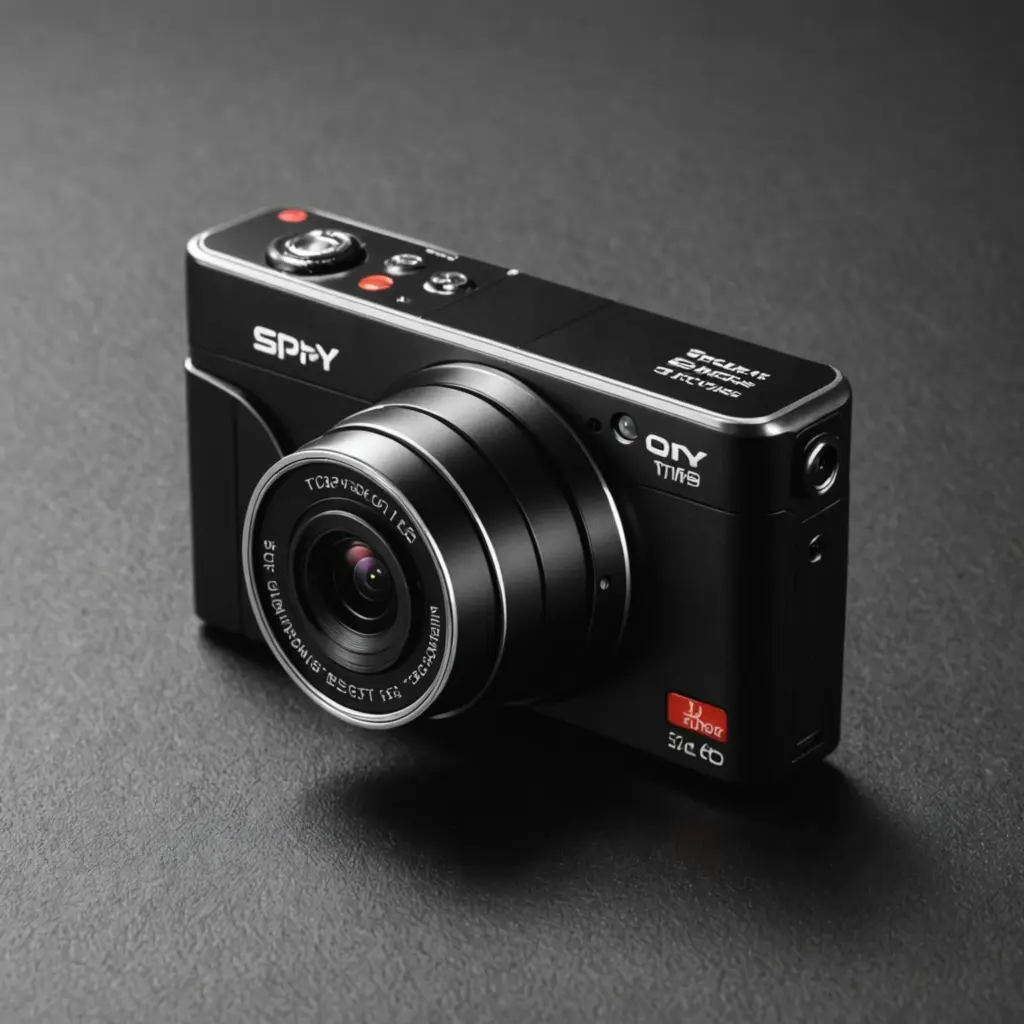

MicroSD card support makes a discreet camera more practical by allowing recordings to be saved locally for later review. The best format depends on where the camera will be used, how noticeable it should be, and whether you need features such as motion-triggered recording, night vision, or remote viewing.
Below are ten camera styles represented in this category. Features can vary between individual models, so confirm the recording modes, card compatibility, power requirements, and video quality before buying.
1. Pen Camera
A pen camera combines a small camera with the familiar shape of a writing instrument. Its compact appearance can make it useful for documenting meetings, interviews, or personal notes without carrying a conventional camera. HD recording and MicroSD storage are the main attractions, although the viewing angle and battery life should be checked carefully.
2. Mini Clock Camera
A mini clock camera places recording hardware inside a small timepiece. This design can fit naturally on a desk, shelf, or bedside table while providing local video storage through a MicroSD card. It is a practical option when a camera needs to remain in one position and blend into an ordinary indoor setting.
3. Button Badge Camera
Designed to resemble a clothing accessory, a button badge camera offers a wearable recording format. Some versions include motion detection and night vision, helping conserve storage or record in dim conditions. Because this type can capture people at close range, it requires especially careful attention to consent and privacy.
4. USB Charger Recorder
A USB charger recorder is designed to look like a familiar power accessory. Its MicroSD slot allows footage to be saved directly to the device, while loop recording can help it continue operating by replacing older files when storage becomes full. Check whether the unit is intended for continuous power and whether its placement leaves ventilation and electrical safety unaffected.
5. Smoke Detector Camera
A smoke-detector-style camera is intended to blend into a ceiling or wall-mounted environment. Motion detection may reduce unnecessary recordings and help focus storage on periods of activity. Despite the disguise, it should never be installed or used in a way that interferes with a real smoke detector or creates confusion during an emergency.
6. Picture Frame Camera
A picture frame camera combines a decorative frame with a concealed recording function. It can be suitable for a fixed indoor viewpoint where a conventional camera would look out of place. MicroSD storage and motion-triggered recording are useful features, but the frame should be positioned so that it does not intrude into private spaces or record people without appropriate permission.
7. WiFi Power Bank Camera
A WiFi power bank camera combines portable charging with a built-in camera. In addition to saving footage to a MicroSD card, some versions offer live viewing through a connected smartphone. This makes the format more flexible than a camera that must remain beside a wall outlet, but wireless setup, battery capacity, and network security are important considerations.
8. Alarm Clock Camera
An alarm clock camera is intended to sit naturally on a bedside table or other furniture. Motion detection can activate recording when activity occurs, while night vision may support low-light capture. Before using one in a bedroom or another sensitive area, make sure everyone who could be recorded understands and permits its use.
9. Teddy Bear Camera
A teddy bear camera is typically presented as a child-friendly object with recording hardware concealed inside. It may be considered for monitoring a child’s environment, but the privacy implications are significant because it can capture both video and audio without being immediately obvious. Use it only for a clearly defined, lawful safety purpose and avoid placing it where private conversations are expected.
10. Wall Clock Recorder
A wall clock recorder offers a fixed viewpoint while appearing to be an ordinary timepiece. Motion detection, HD video, and MicroSD recording can make it useful for monitoring an entrance or shared room. Its location should be chosen carefully to avoid bathrooms, bedrooms, or other areas where people reasonably expect privacy.
What to Check Before Choosing a MicroSD Camera
- Recording modes: Look for continuous, motion-triggered, or loop recording according to your needs.
- Storage handling: Confirm the supported MicroSD card type and how the camera behaves when the card is full.
- Power: Consider battery runtime, charging arrangements, and whether uninterrupted recording is possible.
- Lighting: Night vision can help in dark areas, but performance varies by camera design.
- Viewing options: A local-storage model may suit simple recording, while WiFi features may enable remote viewing.
- Placement and privacy: Position the camera openly where appropriate and follow applicable recording, workplace, housing, and consent rules.
Final Considerations
MicroSD support gives these discreet camera formats a convenient way to store footage without relying entirely on cloud services. A pen or wearable camera may suit mobile use, while clocks, frames, chargers, and decorative objects are better suited to fixed indoor positions. Choose based on the recording situation rather than appearance alone, and use any camera transparently and lawfully wherever other people may be recorded.