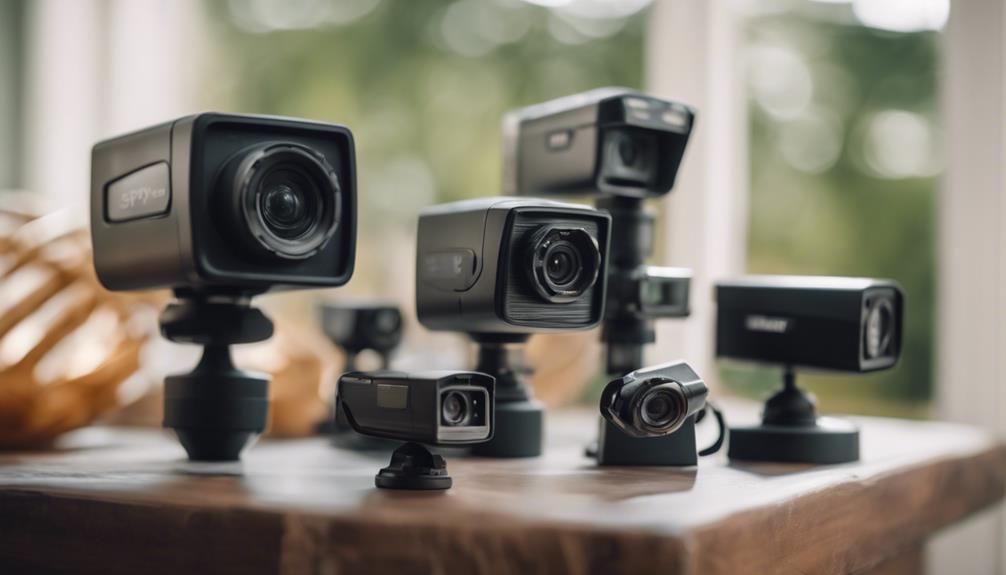

Discreet cameras can support a broader home-security plan by helping you check on entrances, shared spaces, or property when you are away. The best choice depends on where the camera will be used, whether you need remote access, and how much visibility the device should have. Below are five common spy-camera formats and the situations each one may suit.
1. Hidden clock camera
A clock camera places a recording device inside an everyday household object. Because the clock has a practical purpose, it can fit naturally on a shelf, desk, or bedside table without making the camera itself the focus.
This format may be useful for monitoring a room or checking on children, pets, or property while you are elsewhere. Before buying one, consider the clock’s viewing angle, recording method, image quality, and whether it requires continuous power. Placement also matters: position it where it has a clear view without pointing into areas where people reasonably expect privacy.
2. Miniature Wi-Fi camera
A miniature Wi-Fi camera is designed for situations where a small footprint and remote viewing are important. Once connected to a home network, compatible models can stream footage to a smartphone or computer, allowing you to check a room while away.
- Remote access: Confirm how live viewing works and whether the camera requires a dedicated app.
- Network reliability: A weak Wi-Fi signal can interrupt streaming or delay notifications.
- Power: Small cameras may need a nearby outlet or regular recharging.
- Storage: Check whether footage is saved locally, through a network service, or only when manually recorded.
Its compact design makes this type flexible, but a discreet camera should not be hidden in a way that violates privacy or local recording rules.
3. Smoke-detector-style camera
A smoke-detector-style camera is intended to blend with ceiling-mounted safety equipment. Its elevated position can provide a broad view of a room, which may be useful for general activity monitoring.
There is an important distinction between a camera that resembles a smoke detector and a genuine working smoke alarm. A camera should never replace a certified safety device. If the product is installed near an actual alarm, make sure it does not block, disable, or interfere with that alarm’s operation.
Review the camera’s power arrangement, viewing area, recording controls, and installation requirements before choosing this format. As with any indoor camera, avoid bedrooms, bathrooms, and other private areas unless everyone affected has clearly agreed to its use.
4. Outdoor motion-activated camera
For driveways, gardens, paths, and other exterior areas, a motion-activated camera can provide a more proactive approach to security. Instead of recording continuously, it can begin recording when movement is detected, helping focus attention on activity around the property.
Night vision is valuable when the area is poorly lit, while a weather-resistant enclosure helps the camera withstand outdoor conditions. Look for adjustable motion sensitivity and a detection range suited to the location. A camera aimed at a busy pavement or neighbouring property may create unnecessary alerts and privacy concerns, so position it toward your own entrances and boundaries where possible.
5. USB charger camera
A USB charger camera combines a charging function with video recording in a compact enclosure. Its familiar appearance can make it suitable for a desk, office, or other location where a regular charger would not seem unusual.
When assessing this type, check whether it records video only or also captures audio, how footage is accessed, and whether the device remains operational while charging another device. Audio recording is subject to stricter rules in some places, so disable it when appropriate and obtain the required consent before recording conversations.
How to choose and use a discreet camera responsibly
Before purchasing, define the security problem you want to solve. A Wi-Fi model may be more useful for remote check-ins, while an outdoor motion-activated camera is better suited to detecting movement near an entrance. Also compare power requirements, night performance, storage, field of view, and ease of reviewing recordings.
- Use cameras only in spaces where monitoring is lawful and appropriate.
- Inform residents, guests, workers, or carers when consent or notice is required.
- Avoid recording private areas and keep the camera pointed at the area you need to protect.
- Secure accounts and recorded footage with strong passwords and sensible access controls.
- Pair cameras with lighting, locks, alarms, and other visible security measures rather than relying on one device.
Hidden clock, miniature Wi-Fi, smoke-detector-style, outdoor motion-activated, and USB charger cameras each serve different purposes. Choosing the format that matches the location and using it transparently and lawfully can make monitoring more practical without compromising personal privacy.