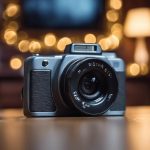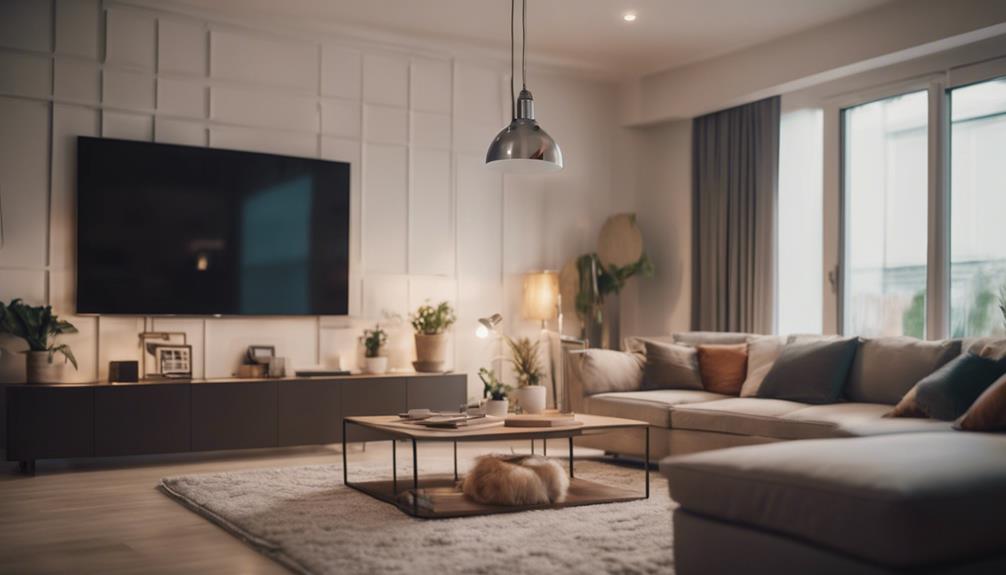

Light-bulb cameras combine a ceiling light with a small security camera, giving homeowners an alternative to conventional wall- or shelf-mounted devices. Their familiar form can make them less visually intrusive, while the overhead position may provide a useful view of an entryway, room, garage, or other suitable area.
However, a camera concealed inside an everyday object should be used responsibly. Before installing one, consider local privacy laws, household expectations, and the rights of visitors, tenants, contractors, and neighbours. Do not place cameras in bedrooms, bathrooms, changing areas, or other spaces where people reasonably expect privacy. In many situations, clearly informing people that recording is taking place is the safest approach.
What Makes a Camera Light Bulb Useful?
The main appeal is the combination of an ordinary light fitting and a monitoring device. Instead of adding a separate camera to a wall or shelf, you can use a compatible bulb socket to create a more streamlined setup. This may be helpful where wall space is limited or where a less prominent security device is preferred.
- Discreet appearance: The camera is incorporated into a familiar household fitting rather than presented as a standalone unit.
- Elevated viewpoint: A ceiling position can offer a broader view than a camera placed at furniture height, depending on the bulb’s lens and installation location.
- Combined lighting and monitoring: One fitting may provide illumination while also supporting security observation.
- Potentially simpler installation: Many models are designed to screw into a compatible light socket, although requirements differ by product.
Installation and Setup Considerations
Installation is often straightforward, but it is not automatically universal. Check the camera bulb’s socket type, power requirements, dimensions, and compatibility with the intended light fitting before purchase. Some products may require a Wi-Fi connection, a mobile app, a memory card, or a subscription for particular recording features.
A typical setup may involve installing the bulb, downloading the manufacturer’s application, connecting the device to a wireless network, and choosing settings such as image quality, motion alerts, and recording preferences. Follow the supplied instructions and change any default password immediately. Use a strong, unique password for the camera account and keep the app and device firmware updated when updates are provided.
Remote Viewing and Motion Alerts
Some camera light bulbs allow authorised users to view a live feed through a mobile application. Models with motion detection may also send an alert when movement is identified within a selected area. These features can help you check an entrance or shared space while away from home, but they should not be treated as a guaranteed alarm service or a replacement for emergency response.
Motion detection can produce unwanted notifications caused by pets, changing light, curtains, or passing vehicles. If the device supports activity zones or sensitivity controls, adjust them to focus on the area that matters. Also consider how long recordings are stored, where they are stored, and who can access them.
Smart-Home Compatibility
Some camera bulbs can work with a smart-home platform or voice assistant, while others operate only through their own application. Compatibility should be confirmed before buying rather than assumed. Check whether the device supports the particular hub, network band, app, or operating system used in your home.
Integration can make it easier to manage lighting, notifications, and camera access from one place. It can also increase the consequences of a compromised account, so limit access to trusted users and review sharing permissions regularly.
Privacy, Security, and Placement
The fact that a camera is less noticeable does not remove privacy responsibilities. Use it only for a legitimate security purpose and avoid recording areas beyond your property where possible. If the camera can capture a neighbouring home, public footpath, or shared building area, reposition it or use privacy masking features when available.
Before relying on any recording, review the product’s storage and deletion controls. Cloud storage, local memory cards, and continuous recording can each involve different privacy and cost considerations. Keep recordings secure, retain them only as long as necessary, and avoid sharing footage casually.
Is a Camera Light Bulb Right for Your Home?
A camera light bulb may suit someone who wants a compact monitoring option for a lawful, clearly defined area such as an entry hall or garage. It is less suitable where the fitting has an unreliable power supply, the wireless signal is weak, or occupants and visitors have not been properly informed.
Compare the viewing angle, night performance, audio options, storage method, app security, installation requirements, and ongoing costs before choosing a model. Used transparently and securely, a camera light bulb can complement locks, exterior lighting, alarms, and other sensible home-security measures without replacing them.