
Spy jewelry cameras are compact recording devices designed to resemble ordinary accessories such as watches, necklaces, rings, bracelets, earrings, or glasses. Their appeal comes from combining a wearable form with hands-free video recording. Because the camera is built into an item that can be worn as part of an outfit, it may attract less attention than a conventional handheld camera.
These devices can be useful in limited, lawful situations, but discreet recording also raises important privacy and consent concerns. Before using one, understand the rules that apply where you are and consider whether everyone being recorded has agreed to it.
How spy jewelry cameras work
A spy jewelry camera typically contains a small lens, a camera module, a battery, controls, and some form of storage. Depending on the model, it may record video alone or capture audio through a built-in microphone. Footage is usually saved to internal memory or removable storage, while some devices may support wireless transfer to another device.
The lens is generally positioned where it can capture the scene in front of the wearer without making the camera’s purpose obvious. This design can make hands-free recording possible, but it can also limit framing and image quality. The camera may not point exactly where the wearer is looking, and the accessory may need to be positioned carefully for a usable view.
Common forms and design options
Spy jewelry cameras are sold in several accessory styles. The right format depends on comfort, appearance, and how the lens is positioned.
- Necklaces and pendants: Often worn near the center of the body, making them suitable for forward-facing recording when positioned correctly.
- Watches: Can look familiar in everyday settings, although the wrist position may produce a changing or unstable viewpoint.
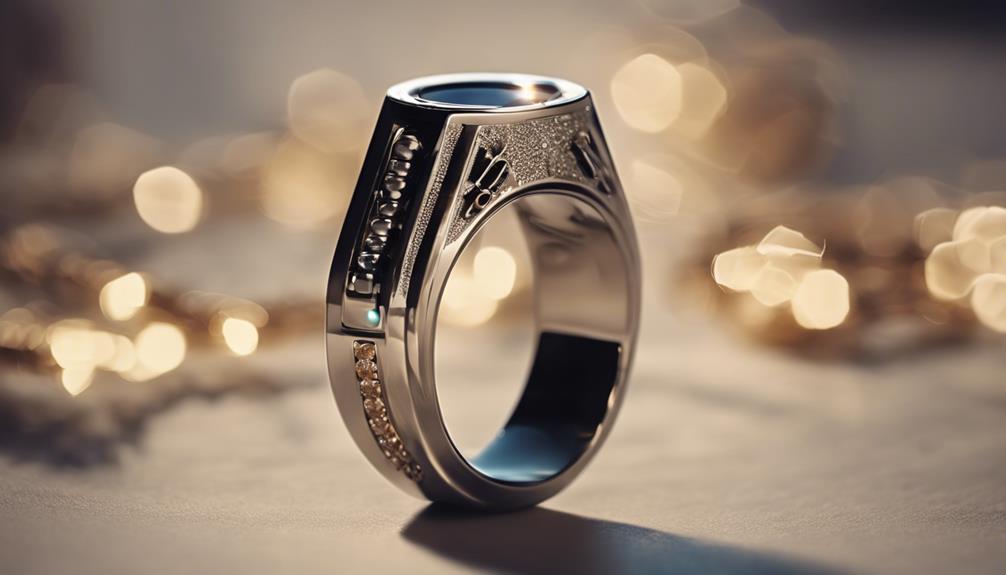
- Rings and bracelets: Small and wearable, but their low position can make it difficult to frame a scene consistently.
- Earrings or glasses: May place the lens closer to eye level, though comfort, fit, and appearance are especially important.
Discreet styling does not necessarily mean the device will be invisible. A visible lens, unusual controls, flashing indicator, or bulky construction may still reveal that the accessory has recording functions.
Features worth comparing
Specifications can vary significantly, so compare the practical details rather than relying only on phrases such as “high quality” or “professional.”
Video and audio quality
Check the stated video resolution and consider how much detail you actually need. A higher resolution can produce a clearer image, but it may also require more storage and battery power. If audio is included, remember that sound recording is often subject to stricter privacy rules than video.
Storage and file transfer
Find out whether recordings are stored internally, on removable media, or through a connected device. Confirm how files are transferred and whether the format will work with your computer or phone. Storage capacity affects how long the camera can record before older files must be removed or transferred.
Battery life and charging
Battery capacity and recording settings affect operating time. Look for clear information about charging, charge indicators, and whether the device can be used while connected to power. A short battery life can make a camera unsuitable for longer activities, regardless of its other features.
Controls and indicators
Simple controls are important for a wearable device. Make sure you understand how to start and stop recording, check battery status, and retrieve files. Some models use lights or sounds to indicate recording; do not assume these signals can be disabled, and do not alter them if doing so would conceal recording in a way that violates local requirements.
Responsible and lawful use
Use a spy jewelry camera only for a legitimate purpose and in places where recording is permitted. Privacy laws differ by location, particularly for audio, private conversations, workplaces, schools, changing areas, and homes. In some situations, consent from everyone recorded may be required. Property owners and employers may also have their own policies.
Do not use a concealed camera to invade someone’s private space, record intimate activity, monitor people without authorization, or distribute footage without permission. If personal safety is the concern, an overt recording method, a visible security camera, or help from the appropriate authority may be safer and more appropriate.
Choosing the right device
Start by defining the lawful task the camera must perform. Then compare its viewpoint, comfort, recording quality, storage, battery life, controls, durability, and file-transfer process. Test the accessory in an appropriate setting before relying on it, paying attention to whether the lens is obstructed and whether movement affects the footage.
A spy jewelry camera should be evaluated as both a wearable accessory and a recording device. The most suitable option is not necessarily the smallest or most disguised model; it is the one that provides usable footage while respecting privacy, consent, and applicable law.