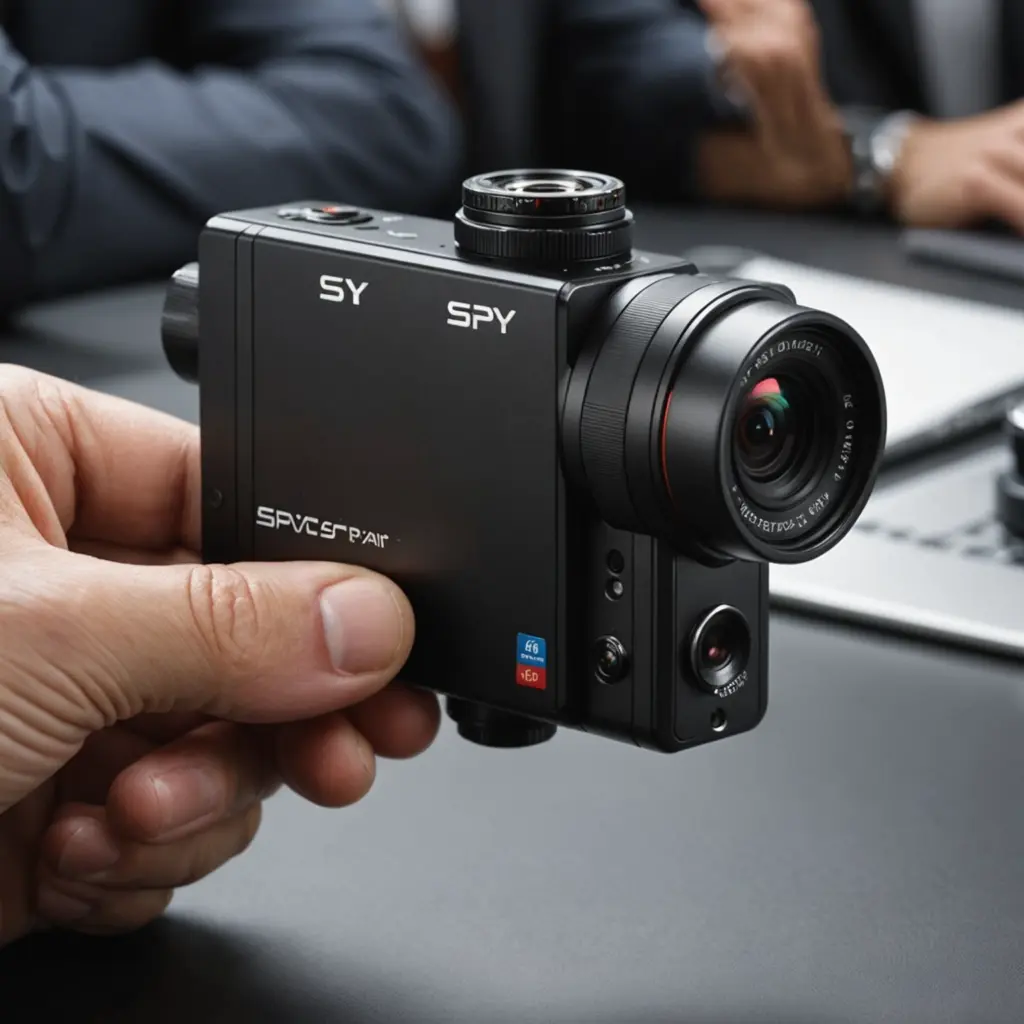

When comparing spy pan cameras, video quality should be one of the first considerations. A discreet design is useful only if the recorded footage is clear enough to review, identify relevant details, and understand what happened. The strongest options combine high resolution with smooth motion, dependable low-light performance, and practical recording controls.
Rather than judging a camera by resolution alone, compare the complete video system. Lens quality, sensor performance, frame rate, stabilization, motion detection, and storage all affect the usefulness of the final recording.
Resolution and image detail
Resolution determines how much visual detail a camera can capture. For high-definition surveillance footage, 1080p is a practical minimum to consider. It provides a clear image for everyday monitoring and is generally more useful than lower-resolution video when the scene contains small or distant details.
Higher resolution can offer additional detail, but it does not automatically guarantee a better recording. A camera with a quality lens and sensor may produce more useful footage than one that advertises a higher pixel count but performs poorly in difficult lighting. When comparing three cameras, inspect sample footage if it is available and look for:
- Clear edges around people and objects
- Readable detail at the intended recording distance
- Natural-looking colors without excessive processing
- Minimal blur when subjects move through the frame
Frame rate and motion clarity
Frame rate affects how smoothly movement appears in recorded video. A rate of 30 frames per second or higher can make playback smoother, particularly when a person or object moves quickly across the scene. Lower frame rates may still be adequate for a mostly static view, but they can make fast action harder to follow.
Image stabilization is also worth checking. Stabilization can reduce the effect of small shakes or vibrations, which is especially helpful when the camera is placed on a movable surface or carried between locations. It cannot correct every form of blur, so frame rate and lighting remain important parts of the comparison.
Low-light and night performance
Many surveillance situations take place in dim rooms or after dark. A camera should therefore be assessed on how well it preserves detail when there is not much available light. A capable sensor and suitable lens can produce a cleaner image, while poor low-light performance may result in heavy noise, lost detail, or unclear faces.
Night vision is another key feature. Cameras using infrared illumination can record in darkness, but the useful range and clarity may differ between models. When comparing the top three options, consider whether night footage remains sharp enough for the area being monitored and whether infrared lighting creates glare on nearby surfaces.
Motion detection and recording controls
Motion detection can help limit unnecessary recording by starting or highlighting footage when movement occurs within the camera’s view. Adjustable sensitivity is particularly useful because it allows the camera to be adapted to its surroundings. A setting that is too sensitive may create frequent false alerts from minor movement, while a setting that is too low could miss an important event.
Also check how the camera handles continuous recording, motion-triggered clips, and older files. Storage capacity affects how much footage can be kept before files must be transferred or overwritten. A camera with excellent image quality is less practical if its storage and recording options do not match the monitoring task.
Audio and overall recording quality
Audio recording can add context to video, helping explain what occurred outside the visual frame. If audio is included, review the expected microphone quality and remember that sound recording may be subject to privacy rules or consent requirements in your location.
The best choice among three spy pan cameras is the one that balances resolution, smooth motion, low-light visibility, detection controls, and storage rather than excelling in only one specification. A 1080p camera with reliable motion handling and clear night footage may be more useful than a higher-resolution model that produces blurred or noisy recordings.
Choosing the right camera for your needs
Before selecting a model, define where it will be used, how far away the subject will be, whether the area is normally well lit, and how long recordings need to be retained. Use those requirements to compare the cameras consistently.
- Choose at least 1080p for clear general-purpose footage.
- Look for 30 frames per second or higher when smooth movement matters.
- Prioritize strong low-light performance for evening or dim indoor use.
- Select adjustable motion sensitivity to reduce unwanted recordings.
- Confirm that storage capacity and file management suit your recording schedule.
- Use any recording feature responsibly and respect applicable privacy laws.
By comparing these factors together, you can identify the spy pan camera that delivers the most useful high-definition video for your specific monitoring situation.