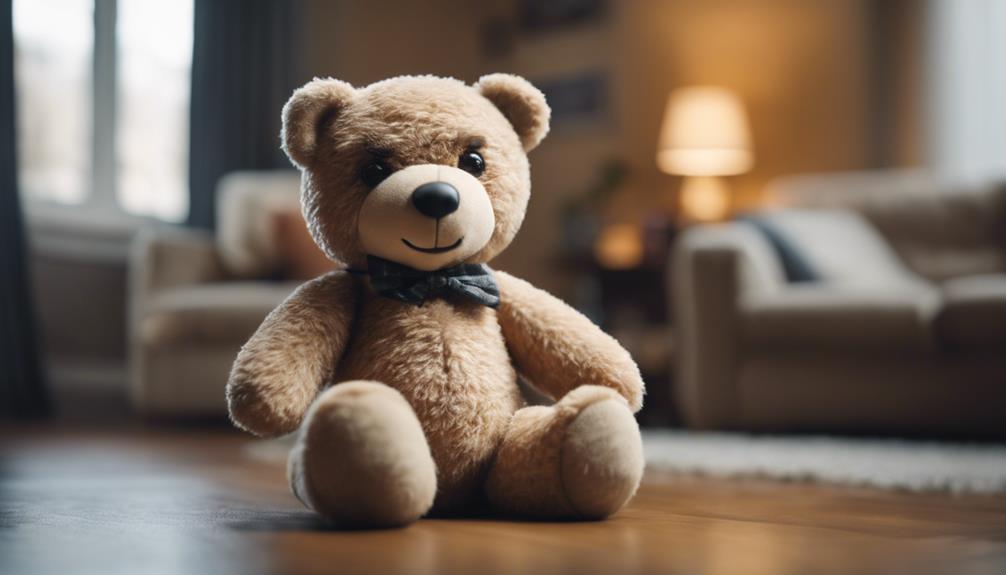

Teddy bear spy cameras are compact home-monitoring devices designed to blend into a room’s existing furnishings. By placing a camera inside an everyday object such as a teddy bear, homeowners can monitor selected areas without installing a conspicuous CCTV unit. Depending on the model, features may include video recording, audio capture, motion detection, remote viewing and alerts.
These cameras can be useful for checking entry areas, monitoring a child’s room or observing activity while you are away. However, discreet design does not remove the need for responsible installation. Camera placement, data security and local privacy rules should all be considered before use.
How Teddy Spy Cameras Work
A teddy camera typically conceals its lens within the bear’s eyes, nose or body. The disguise allows the device to remain visually unobtrusive while it records within its field of view. Some models begin recording when they detect movement, which can reduce unnecessary footage and make important events easier to identify.
Other models may provide live viewing through a connected phone or computer. The exact functions depend on the device, so check its instructions for recording limits, storage requirements, power options, audio functionality and network features rather than assuming every teddy camera offers the same capabilities.
Potential Benefits for Home Monitoring
- Less visual disruption: A teddy bear can fit naturally into a bedroom, nursery or family living space.
- Targeted observation: The camera can be aimed at a particular doorway, room or area that requires monitoring.
- Motion-triggered recording: Compatible models may record or send an alert when movement is detected.
- Remote access: Network-enabled devices may allow authorised users to check a live feed or review saved footage while away.
- Evidence preservation: Recorded video may help document an incident, provided it was collected and stored lawfully.
A concealed camera is not a replacement for stronger basic measures such as secure doors and windows, suitable lighting and a properly configured alarm system. Its value is greatest when it supports a broader, proportionate security plan.
Choosing a Suitable Location
Position the teddy camera where it has a clear, useful view and cannot easily be knocked over or covered. Entryways and other access points may be practical locations, while a shelf can provide a stable viewing angle. Keep the lens free from fabric, toys and furniture, and avoid aiming it directly toward a bright window or light source, which can make images difficult to interpret.
Before relying on the camera, test the view during both daytime and nighttime conditions. Confirm that important areas are visible, the camera remains stable and the power or battery arrangement is practical. If the device uses a wireless connection, place it where the signal is reliable and change any default login details.
Remote Viewing and Smart-Home Connections
Some teddy cameras can connect to a home network or a compatible smart-home setup. This may provide live streaming, movement notifications and centralised access alongside other security devices. These features are convenient, but they also increase the importance of account security.
- Use a strong, unique password for the camera account.
- Enable additional login protection when the device supports it.
- Keep the camera’s software and connected application updated according to the manufacturer’s instructions.
- Limit access to people who genuinely need it.
- Review where recordings are stored and delete footage that is no longer needed.
A camera connected to the internet can create a privacy risk if its account, app or stored files are poorly protected. Avoid sharing access credentials and be cautious about automatic cloud storage or third-party integrations.
Privacy and Legal Responsibilities
Recording people without their knowledge or permission may be restricted by local privacy, data-protection or audio-recording laws. Requirements can differ depending on where the camera is installed, who is recorded and whether sound is captured. In particular, bedrooms, bathrooms and other areas where people reasonably expect privacy should not be monitored.
Household members, caregivers and regular visitors should be informed about surveillance where required or appropriate. Do not use a teddy camera to secretly record private conversations or to monitor someone in a sensitive personal space. If you are unsure about consent, notification or recording rules, obtain advice from a qualified legal professional in your area.
Using a Teddy Camera Responsibly
Start with a clear purpose, record only the area necessary for that purpose and retain footage for no longer than needed. Check the camera regularly to ensure it has not been moved, obstructed or disconnected. Combining transparent monitoring practices with secure storage and conventional home-security measures can make a teddy camera a useful supplementary tool without treating covert surveillance as a complete security solution.