
Vintage spy cameras are remarkable examples of how much functionality could be built into a very small object. Designed for discreet photography, these devices combined miniature optics, concealed film storage, unusual camera bodies, and carefully engineered controls. Their appeal today comes not only from their connection to espionage history, but also from the craftsmanship required to make a working camera disappear into an everyday object.
Small cameras for discreet photography
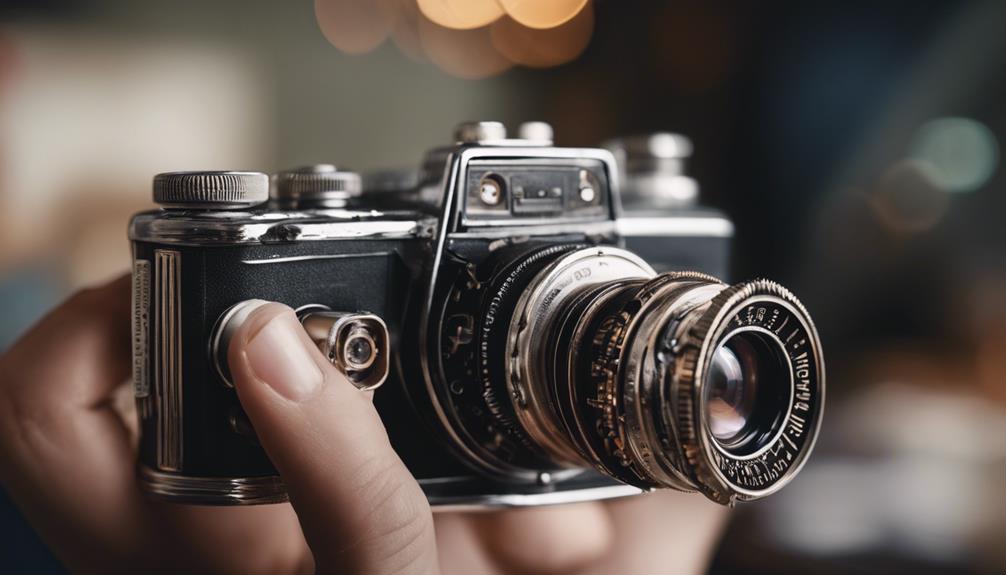
Compact construction was one of the defining features of vintage spy cameras. A smaller body was easier to carry and less likely to attract attention than a conventional camera. Designers had to reduce the size of the lens, film mechanism, shutter, and controls while still making the device practical to operate.
Many of these cameras were intended to be used quickly and quietly. Simple controls helped the photographer take an image without handling a large piece of equipment. Some designs also used remote or delayed triggering mechanisms, allowing the shutter to be operated without making an obvious movement near the camera itself.
Miniaturisation was not simply a matter of making every component smaller. It required careful use of the available space and precise mechanical construction. The result was equipment that could be carried or positioned with far less visual impact than an ordinary camera.
Disguises that concealed the camera
The most distinctive vintage spy cameras were built into objects that appeared unrelated to photography. Pens, lighters, buttons, tie accessories, belt buckles, and other personal items could be adapted to conceal a lens and film mechanism. The disguise served two purposes: it made the object easier to carry, and it helped the camera blend into an ordinary setting.
Successful concealment depended on more than appearance. The lens had to be positioned so it could see through or between parts of the disguise, while the shutter release needed to remain usable. Some objects included a small opening or an unobtrusive detail that allowed the camera to function without immediately revealing its purpose.
These designs are especially interesting because they show how industrial design and photography overlapped. An object had to look plausible as an everyday accessory while also accommodating a precision optical instrument inside it.
Concealed film compartments and compact mechanisms
Because vintage spy cameras generally relied on film, storage and loading were central design challenges. Film had to fit inside a very restricted space, protected from unnecessary exposure while remaining accessible for loading, removal, or processing.
Some compact cameras arranged the film chamber within the main body, while disguised models used hollow sections or removable parts of the surrounding object. Sliding panels, detachable sections, and other concealed access points helped preserve the outward appearance of the device. These features could also make the camera more difficult for an untrained observer to identify.
Hidden film storage was not necessarily a separate secret compartment in every model. Often, the ingenuity lay in integrating the film path into an unusually shaped body without compromising the camera’s basic operation. This efficient use of internal space is one of the clearest signs of the engineering involved.
Accessories with more than one purpose
Some vintage surveillance accessories combined a camera with another function. A pen, lighter, item of jewellery, or clothing accessory could be designed to look useful in its own right while hiding photographic equipment. The disguise reduced the need to carry a visibly specialised device.
The supplied examples also describe accessories that combined photography with audio recording, such as camera-equipped pens with built-in voice recorders. Other designs used wearable forms, including glasses or cufflink-style objects, to keep the equipment close to the user and less conspicuous.
These multi-purpose designs demonstrate an important principle of covert equipment: the less unusual an object appears, the easier it is to carry without drawing attention. At the same time, combining several functions made the internal mechanism more complex and left less room for each individual component.
Stealth features and technical trade-offs
Vintage spy cameras used a range of features intended to support discreet operation. Small lenses and compact bodies helped with concealment, while remote controls or quiet mechanical operation could reduce visible or audible signs of use. Some examples are also associated with wireless transmission, although film-based cameras still depended on physical film rather than digital files.
Designers sometimes used non-reflective finishes, camouflaged casings, or controls placed where they could be operated naturally. These details were practical as well as aesthetic. A shiny surface, an awkward button, or an obviously exposed lens could make an otherwise well-concealed camera easier to notice.
Every compact design involved compromises. Reducing the size of the camera limited the room available for film and mechanical parts, while an unusual disguise could make aiming and framing more difficult. The value of these cameras therefore came from balancing photographic function with discretion.
Why vintage spy cameras remain fascinating
Vintage spy cameras reveal how engineers approached photography when compact electronics and digital storage were not available. Their miniature lenses, concealed film chambers, disguised bodies, and multi-functional accessories required careful planning and precise workmanship.
Today, they are valued as historical objects and as examples of inventive mechanical design. They also provide a useful reminder that the most memorable technology is not always the largest or most powerful. In many cases, the achievement was making a capable camera small enough, quiet enough, or ordinary-looking enough to pass unnoticed.