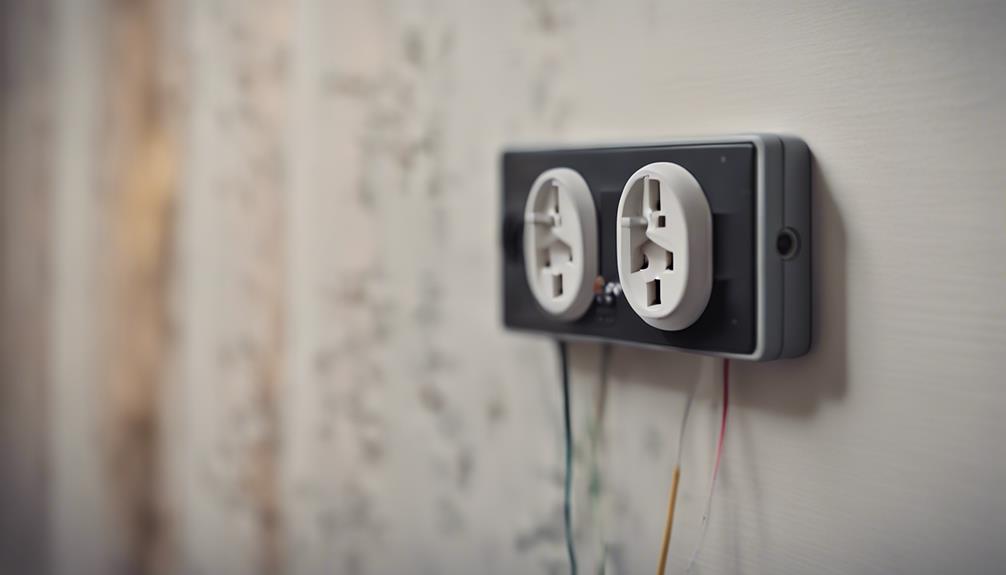

Wall-socket cameras are designed to provide unobtrusive monitoring while occupying the space of a familiar electrical outlet. Their discreet form can be useful for observing entrances, shared areas, or other spaces where a conventional camera would be conspicuous. However, they should be selected and used carefully, with particular attention to electrical safety, privacy, and applicable surveillance laws.
What to Consider Before Buying
The best model depends on the area you need to monitor and how you plan to review footage. Start by comparing the camera’s image quality, viewing area, recording method, and power requirements rather than focusing only on its hidden design.
- Video quality: Clear, high-definition footage is more useful for recognizing people and reviewing events than a low-resolution image.
- Viewing angle: A wider angle can cover more of a room, although the position of the outlet still determines what the camera can see.
- Motion detection: Motion-triggered recording can reduce unnecessary footage and make important events easier to find.
- Low-light performance: If the camera will operate after dark, check whether it includes night-vision or another low-light mode.
- Remote access: Some cameras allow viewing through a phone or computer and may send alerts when activity is detected.
- Storage: Confirm whether recordings are stored locally, remotely, or both, and understand how long footage is retained.
- Compatibility: Check the power, network, and software requirements before installation, especially if you want to connect the camera to an existing security system.
Privacy and Legal Responsibilities
A camera’s concealed appearance does not remove the responsibility to use it lawfully. Rules about audio recording, consent, workplace monitoring, rental properties, and recording shared or public areas vary by location. Before installing one, determine whether people who may be recorded must be informed or provide consent.
Use cameras only for legitimate security purposes and avoid placing them in areas where people reasonably expect privacy, such as bedrooms, bathrooms, changing areas, or private accommodation belonging to someone else. Audio can create additional legal concerns, so review the device’s microphone settings and disable audio if it is not necessary. Secure accounts with strong, unique passwords and restrict access to authorized users.
Installation and Electrical Safety
Wall-socket cameras are connected to mains electricity, so installation requires more care than positioning a battery-powered camera. Do not work on a live outlet. Switch off the relevant circuit at the electrical panel and verify that the power is off with an appropriate voltage tester. If you are unsure which circuit controls the outlet, or if the device requires changes to fixed wiring, use a qualified electrician.
Follow the manufacturer’s instructions exactly. Confirm that the camera is designed for the outlet and electrical system where it will be used, and do not force it into place or use damaged components. Keep the lens unobstructed, position it toward the intended area, and avoid pointing it at neighboring property or places where privacy may be expected.
After installation, restore power only when the unit is secure. Test the live view, recording, motion detection, alerts, and remote access before relying on the camera. Check the image at different times of day so you can identify glare, shadows, or blind spots. If the outlet becomes warm, produces a burning smell, sparks, or behaves unexpectedly, switch off the circuit and stop using the device.
Practical Security Uses
When used responsibly, a wall-socket camera can support a broader home-security plan. Suitable uses may include monitoring an entryway, observing a common living area, checking activity while you are away, or adding another viewpoint to an existing system. It should complement good locks, lighting, alarms, and sensible access controls rather than serve as the only security measure.
Placement matters more than simply choosing a discreet location. Aim the lens at a defined area, keep it away from direct sunlight, and make sure the network connection is reliable if remote viewing is required. Review alerts regularly so that unnecessary notifications do not cause important events to be overlooked.
Maintenance and Troubleshooting
Keep the lens and exterior clean with a soft, dry or slightly damp cloth, following the manufacturer’s care instructions. Do not spray liquid onto the camera or use abrasive cleaners. Keep ventilation openings clear and inspect the plug, housing, and outlet for visible damage.
If the camera stops responding, check its power supply, network connection, app permissions, storage capacity, and date and time settings. Restarting the device may resolve a temporary fault, but do not open the housing or attempt electrical repairs yourself. Consult the manufacturer’s troubleshooting guidance, and contact a qualified professional when the problem involves the outlet or fixed wiring.
Responsible Use Matters
A wall-socket camera can offer convenient monitoring without the visual impact of a conventional security camera, but discretion should never mean secrecy from people who have a right to know they are being recorded. Choose a model with the features your space actually requires, install it safely, protect the footage, and use it transparently and lawfully.