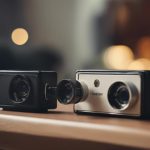

A wall spy camera can provide a discreet way to monitor a property, check on vulnerable household members, or review activity after a security incident. Its small size and wall-mounted design may help cover an entryway, shared room, office, or other permitted area without taking up much space.
However, discreet surveillance requires care. Before installing any camera, consider consent, local privacy laws, recording restrictions, and the expectations of everyone who may be recorded. Never place a camera in bathrooms, bedrooms used by others, changing areas, or other spaces where people reasonably expect privacy. Audio recording may also be subject to separate rules, so disable it unless you understand the requirements that apply to you.
1. Check on pets while you are away
A wall-mounted camera can help you observe a pet’s routine during the day. You may be able to see whether an animal is eating, resting, exercising, or showing unusual behavior. Position the camera toward an open area rather than a private space, and use the footage as an observation aid rather than a substitute for veterinary care.
2. Monitor children in shared home areas
In a living room, playroom, or other common area, a camera can help parents keep track of children’s activities when direct supervision is temporarily difficult. It may be useful for identifying hazards, checking on playtime, or confirming that a child is safe. Tell household members and visitors about the camera, and avoid recording private conversations or areas where children change clothes or sleep.
3. Improve home-office security
A camera facing the entrance to a home office can help document access to equipment, files, or work materials. Remote viewing and motion alerts, if supported by the device, may make it easier to notice activity while you are elsewhere. Use a strong account password, enable available security protections, and avoid capturing neighboring properties or areas outside your control.
4. Support care for an older adult
With the person’s knowledge and agreement, a camera in a shared living area can provide reassurance to family members or caregivers. It may help them check whether assistance is needed or notice changes in normal routines. Camera monitoring should complement personal care, emergency planning, and regular communication—not replace them.
5. Add transparency to in-home caregiving
Some households consider cameras when a nanny, cleaner, or other caregiver works in the home. The responsible approach is to inform the caregiver, explain where cameras are located, and agree on which areas may be monitored. Do not use a camera to record private spaces or rely on hidden recording as a way to bypass consent requirements. Check applicable laws before recording video or audio.
6. Help resolve shared-household disputes
In a shared home, a camera aimed at a common entrance or storage area may document issues such as unauthorized access or property damage. Roommates should know that surveillance is being used and understand its limited purpose. A camera should not be aimed at a roommate’s bedroom, personal workspace, or other private area.
7. Watch over a vacant or vacation property
A wall spy camera can provide remote visibility into an unoccupied home, apartment, or office. Position it toward a main entrance, hallway, or valuable equipment, and check whether the device securely stores or transmits footage. Test the camera before leaving and make sure any alerts are configured so that someone can respond if a problem occurs.
8. Detect possible intrusions
Placed near an authorized entry point, a camera may help identify unexpected visitors or record activity around a door. It works best as one part of a broader security plan that can include strong locks, lighting, alarms, and a clear response process. Do not confront a suspected intruder based solely on a camera alert; prioritize personal safety and contact the appropriate authorities when necessary.
9. Protect property and valuable equipment
Monitoring a garage, workshop, storage room, or business equipment area can help reveal when items are moved or accessed. Keep the camera’s field of view limited to the property and people you are permitted to record. Retain only the footage you need, protect it from unauthorized access, and delete it according to a sensible retention policy.
10. Strengthen security in a small business
In a workplace, cameras may help document entries, protect stock, and investigate incidents. They should not be used as a blanket tool for secretly judging employee performance. Establish a written policy explaining the camera’s purpose, location, access controls, retention period, and complaint process. Be especially cautious around sensitive records, customer information, and areas where workers or visitors may expect privacy.
Best-practice checklist
- Tell affected household members, workers, caregivers, and visitors when required or appropriate.
- Use visible, limited-purpose placement instead of recording private spaces.
- Review local rules for video surveillance and audio recording before installation.
- Secure the camera account, update the device when possible, and restrict access to authorized people.
- Store footage safely, keep it only as long as necessary, and avoid sharing it casually.
- Test the viewing angle, lighting, alerts, and recording settings before relying on the camera.
Used thoughtfully, a wall spy camera can support pet care, household safety, property protection, and incident documentation. The most effective setup is not simply the most discreet one; it is the one that serves a clear security purpose while respecting consent, privacy, and applicable law.