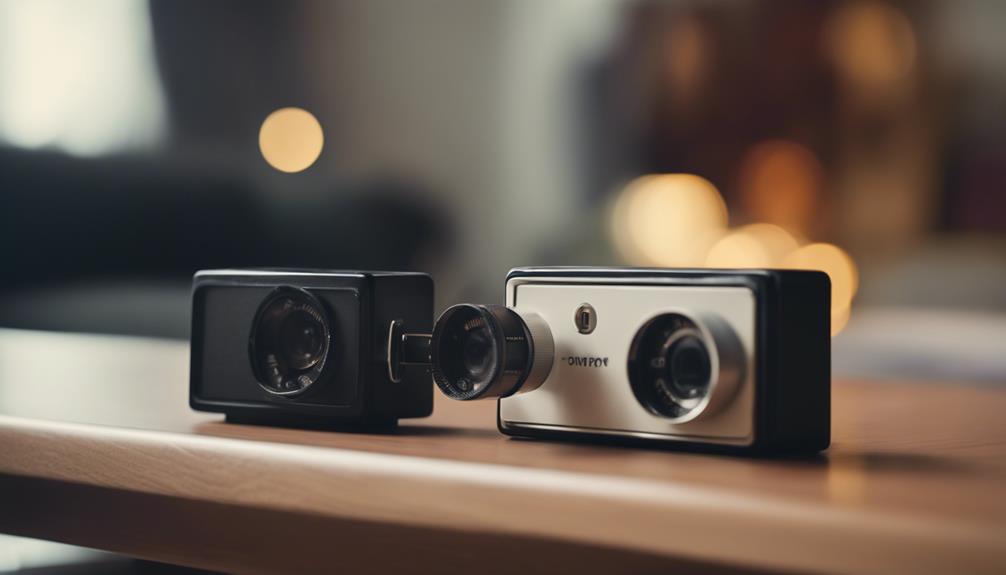

Spy cameras with audio combine video recording with sound capture in a small, discreet device. They may be considered for home security, monitoring an office, checking on pets, or documenting activity in an area you control. However, audio recording is more privacy-sensitive than video, and the rules vary by location. Before choosing a device, confirm that its use is lawful and that everyone who must be notified has been informed.
What to Look For in a Spy Camera With Audio
The best choice depends on where the camera will be used and how footage will be reviewed. Compare the following features rather than choosing solely by appearance:
- Video and audio quality: Clear footage is of limited value if sound is distorted or the microphone captures excessive background noise.
- Power options: Battery-powered models are flexible but require charging. Plug-in devices can operate longer, provided the installation is safe and appropriate.
- Storage: Check whether recordings are saved to internal memory, a memory card, or a connected service. Review retention and deletion controls before use.
- Motion detection: Motion-triggered recording can reduce unnecessary footage and make important events easier to find.
- Low-light performance: Night vision or infrared illumination may help in dark areas, but performance depends on the surroundings and the device itself.
- Remote access: WiFi models may allow live viewing through a phone, tablet, or computer. They also require careful account and network security.
Common Types of Audio-Enabled Cameras
Miniature cameras
Small cameras can be placed where a conventional security camera would be impractical. Their size makes them less visually prominent, but that does not remove the need for permission or appropriate notice. A compact design should never be used to record private conversations or spaces where people reasonably expect privacy.
WiFi-connected cameras
WiFi-enabled models are useful when you need to check a live feed remotely or review alerts while away. Look for strong password controls, secure account settings, and a clear way to disable the microphone. Remote access can create additional privacy and security risks if an account is shared or poorly protected.
Motion-activated models
Motion activation starts recording when movement is detected, which can conserve storage and simplify reviewing footage. Check the detection range and sensitivity before installation. A device that triggers too easily may create a large amount of irrelevant audio and video.
Night-vision cameras
Night-vision equipment is intended for low-light monitoring. Infrared capability can improve visibility when ordinary lighting is limited, although results vary with distance, obstructions, and the surrounding environment. Test the camera in its intended location rather than assuming night vision will produce clear detail everywhere.
Everyday-object designs
Some products are built into objects such as USB chargers, clock radios, picture frames, or alarm clocks. These designs may fit naturally into a room, but their ordinary appearance can make consent especially important. Never place an audio-recording device in a bedroom, bathroom, changing area, or other private space without a clear and lawful reason and the required permission.
Portable pen recorders
Pen-style recorders are compact and portable, making them different from cameras intended to remain in one location. Their battery life, microphone range, recording controls, and storage capacity should be checked carefully. Recording a conversation without the required consent may be unlawful even when the device is used openly or carried by the person making the recording.
Audio Recording and Privacy
Before buying or using any spy camera with audio, research the rules that apply where the recording takes place. Requirements may differ for video, audio, shared areas, workplaces, homes, and conversations involving more than one person. Consent requirements can also differ depending on the participants and the location.
Use the least intrusive option that meets your legitimate security need. If video alone is sufficient, leave the microphone disabled. Post notice where appropriate, restrict access to recordings, use strong passwords, and delete material that is no longer needed. For workplace, tenancy, caregiving, or other sensitive situations, obtain suitable professional or legal guidance before recording.
Choosing the Right Option
For remote viewing, a secured WiFi camera may be more practical than a portable recorder. For occasional activity alerts, motion activation can reduce storage demands. For dark environments, prioritize tested low-light performance. If the main requirement is evidence of an event, choose a clearly documented system with reliable timestamps and straightforward file export rather than focusing only on concealment.
A spy camera with audio should support a lawful, clearly defined security purpose—not replace informed consent or respect for privacy. Compare the recording features, power source, storage, security controls, and installation requirements before making a purchase.